Why PayPal Is Not Integrated into Taobao's Payment System

Chinese shopping is crucial for global sourcing, with many relying on Chinese marketplaces for a diverse range of manufacturing options. However, a key question remains: why isn't PayPal integrated into Taobao's payment system? This article examines the structural, regulatory, and ecological reasons behind this separation and clarifies its implications for international users accustomed to PayPal workflows.
Table of Contents
1. Why Do People Expect PayPal to Work on Taobao?
1.1 Why PayPal Became a Default for Global Chinese Shopping
For many international buyers, PayPal is not just a payment tool. It is a trust layer.
In global Chinese Shopping scenarios, PayPal is often associated with:
- Familiar checkout flows
- Cross-border dispute handling
- International card and balance support
- Buyer-side confidence when dealing with foreign sellers
Because of this, it feels natural for overseas users to assume PayPal should work on Taobao.
1.2 Why Taobao Feels Like a "Global" Platform From the Outside
From the outside, Taobao looks international:
- Millions of product listings
- Global brands and factories
- Sellers shipping worldwide through forwarding services
However, this perception does not match Taobao's internal design goals.
2. Is Taobao a Global Platform by Design?
2.1 Who Taobao Was Originally Built For
Taobao was designed primarily for domestic Chinese users.
The platform assumes that users:
- Live in mainland China
- Use local banking systems
- Are familiar with domestic payment norms
In this context, Chinese Shopping on Taobao is not treated as cross-border commerce. It is treated as a local retail activity.
2.2 Why "Domestic First" Shapes Everything
Because Taobao is domestic-first:
- Payment flows prioritize local compliance
- Risk control is aligned with Chinese banks
- Settlement happens inside the local financial system
PayPal, as a foreign payment network, does not naturally fit into this structure.
3. How Taobao's Payment System Actually Works
3.1 The Role of Alipay Inside the Ecosystem
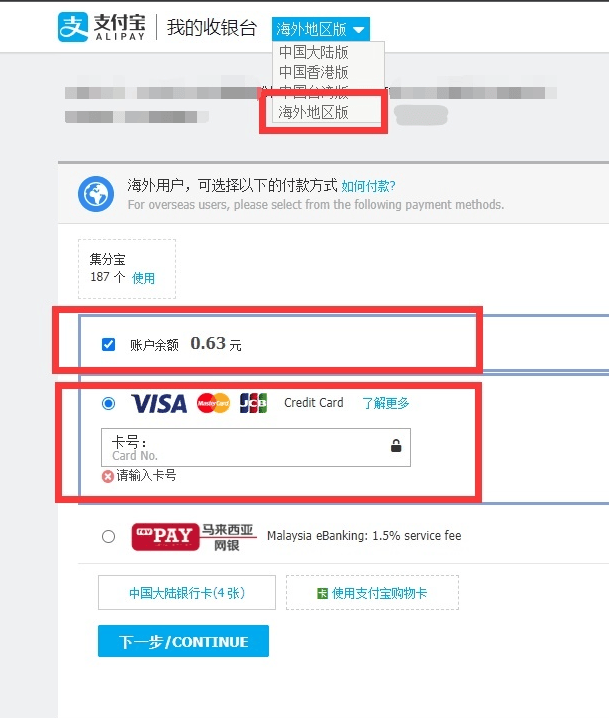
Taobao's payment layer is deeply tied to Alipay.
This integration is not superficial. It affects:
- User identity verification
- Transaction risk control
- Refund and dispute handling
- Seller fund settlement
From a Chinese Shopping perspective, Alipay is not just a payment option. It is infrastructure.
3.2 Why Replacing or Adding PayPal Is Not Simple
Integrating PayPal would mean:
- Running two parallel risk systems
- Reconciling different dispute frameworks
- Managing cross-border currency flows
This would significantly increase operational complexity for a platform that does not depend on overseas users for its core revenue.
4. Regulatory Barriers Behind the Scenes
4.1 Cross-Border Payment Regulations in China
China has strict rules around:
- Capital flow
- Foreign currency settlement
- Payment institution licensing
Any foreign payment provider operating directly inside a central marketplace must comply with local financial regulations.
4.2 Why PayPal Integration Is Not Just a Technical Choice
Even if technical integration were possible, regulatory approval would still be required.
For Chinese Shopping platforms like Taobao, this raises questions:
- Who bears compliance responsibility
- How disputes are handled across jurisdictions
- How data and funds are supervised
From a platform perspective, the cost often outweighs the benefit.
5. Why Sellers on Taobao Also Avoid PayPal

5.1 Seller Risk Perception
Many Taobao sellers operate on thin margins and fast turnover.
From conversations with sellers, common concerns include:
- Unfamiliar dispute mechanisms
- Potential chargeback exposure
- Delayed fund availability
In the domestic Chinese Shopping environment, sellers prefer payment systems they fully understand.
5.2 Settlement Speed and Cash Flow
Domestic payment systems are optimized for:
- Rapid settlement
- Local bank transfers
- Predictable cash flow cycles
Adding PayPal would introduce variables that many sellers do not want to manage.
6. Does This Mean Chinese Shopping Is Closed to PayPal Users?
6.1 The Gap Between Platform Rules and User Demand
Here is the key point: Taobao's payment design does not accurately reflect the global demand for Chinese Shopping.
Overseas buyers still want:
- PayPal or international card payments
- Clear cost structures
- Predictable dispute processes
The platform was not built to provide that directly.
6.2 How This Gap Is Solved in Practice
This gap is not solved inside Taobao. It is solved outside the platform. That is where purchasing agents and proxy platforms come in.
7. Why Purchasing Agents Became Essential in Chinese Shopping

7.1 The Purchasing Agent as a Payment Bridge
In real Chinese Shopping workflows, a purchasing agent does three things:
- Pays sellers using local payment methods
- Accepts international payments from overseas users
- Handles communication, consolidation, and logistics
This structure allows each side to stay within systems they trust.
7.2 Why This Model Scales Better Than Direct Integration
Instead of forcing Taobao to become global, the agent model:
- Keeps Taobao domestic
- Keeps overseas users on familiar payment rails
- Reduces friction on both sides
This is why the model has expanded beyond Taobao to platforms like 1688 and Pinduoduo.
8. Chinese Shopping Beyond Individual Buyers
8.1 Cross-Border Sellers and Inventory Sourcing
For Amazon, eBay, and Shopify sellers, Chinese Shopping is about sourcing, not browsing.
These users care about:
- Stable procurement
- Repeatable workflows
- Payment predictability
Direct PayPal integration on Taobao is less important than having a reliable intermediary.
8.2 Group Buying, Resellers, and Bulk Orders
In group buying and resale scenarios:
- Orders are frequent
- Volumes fluctuate
- Payment flexibility matters
Here again, the purchasing agent model aligns better with real-world needs.
9. Where KongfuMall Fits Into This Structure

9.1 Solving the Payment Disconnect
KongfuMall operates specifically in the gap between domestic platforms and global users.
From a Chinese Shopping perspective, the role is clear:
- Access to Taobao, 1688, Pinduoduo, and factory sources
- Support for PayPal, cards, and other international payment methods
- Local payment handling on the buyer's behalf
This removes the need for direct PayPal integration on Taobao itself.
9.2 Beyond Payment: Why Infrastructure Matters
Payment is only one part of Chinese Shopping.
In practice, overseas users also need:
- Order consolidation
- Package forwarding
- Tracking visibility
- Quality inspection and relabeling
These services exist because the original platforms were not built for international workflows.
10. Is PayPal Integration on Taobao Likely in the Future?
10.1 Market Incentives Do Not Point That Way
Based on current trends:
- Taobao remains focused on domestic growth
- Cross-border users are served indirectly
- Payment infrastructure remains localized
There is no strong signal that direct PayPal integration is a priority.
10.2 Why the Existing Model Continues to Work
The current ecosystem functions because:
- Domestic platforms stay efficient
- Overseas users rely on intermediaries
- Each layer specializes instead of overlapping
From a Chinese Shopping systems perspective, this division of roles is stable.
Conclusion
PayPal is not integrated into Taobao's payment system because it was never designed to be a global marketplace. Taobao focuses on domestic Chinese Shopping, leading to the rise of purchasing agents and proxy platforms to connect international users. Understanding this framework is crucial for anyone serious about Shopping in China. To source from Chinese platforms using familiar international payment methods, visit KongfuMall.com.