What a China Purchasing Agent Actually Does Behind the Scenes

Bulk sourcing from China often looks straightforward from the outside. A buyer selects products, places a large order, and expects timely delivery. In practice, Bulk Purchase Services involve layers of coordination, verification, and risk management that most buyers are unaware of. A China purchasing agent operates inside this hidden system, handling problems before they surface and stabilizing supply chains that would otherwise remain unpredictable.
This article explains what a China purchasing agent actually does behind the scenes, how Bulk Purchase Services function in real operations, and why these services matter for businesses that rely on repeat bulk orders rather than isolated purchases.

Table of Contents
1. What Core Problems Do Bulk Purchase Services Solve?
1.1 Why bulk purchasing increases risk, not simplicity
Scaling order volume multiplies exposure. Quality drift, delivery delays, and communication breakdowns become more likely as quantities grow.
Typical challenges include:
- Inconsistent materials across batches
- Unannounced production shortcuts
- Factory scheduling conflicts
- Misaligned expectations on packaging and labeling
Bulk Purchase Services exist to manage these risks systematically, rather than placing orders on behalf of buyers.
1.2 What happens without structured support
When buyers handle bulk orders independently, problems often arise too late to be fixed. Factories prioritize clients with local oversight, while overseas buyers lack real-time visibility. A purchasing agent fills this gap by providing continuous control rather than reactive troubleshooting.
2. How Do Purchasing Agents Source and Evaluate Suppliers?
2.1 Why supplier selection is not about the lowest offers
In Bulk Purchase Services, supplier sourcing prioritizes reliability over surface-level appeal. A factory that performs well for small orders may struggle to sustain high volume.
Agents evaluate suppliers based on:
- Production capacity stability
- Export experience and compliance history
- Quality control processes
- Responsiveness under time pressure
These criteria reduce disruption across repeated orders.
2.2 How verification goes beyond online platforms
Behind the scenes, agents validate suppliers through direct checks, rather than relying solely on listings. Factory credentials, production flow, and historical performance are reviewed before making bulk commitments. This screening filters out suppliers that cannot scale consistently.
3. How Are Product Specifications Controlled?
3.1 Why vague specifications cause hidden changes
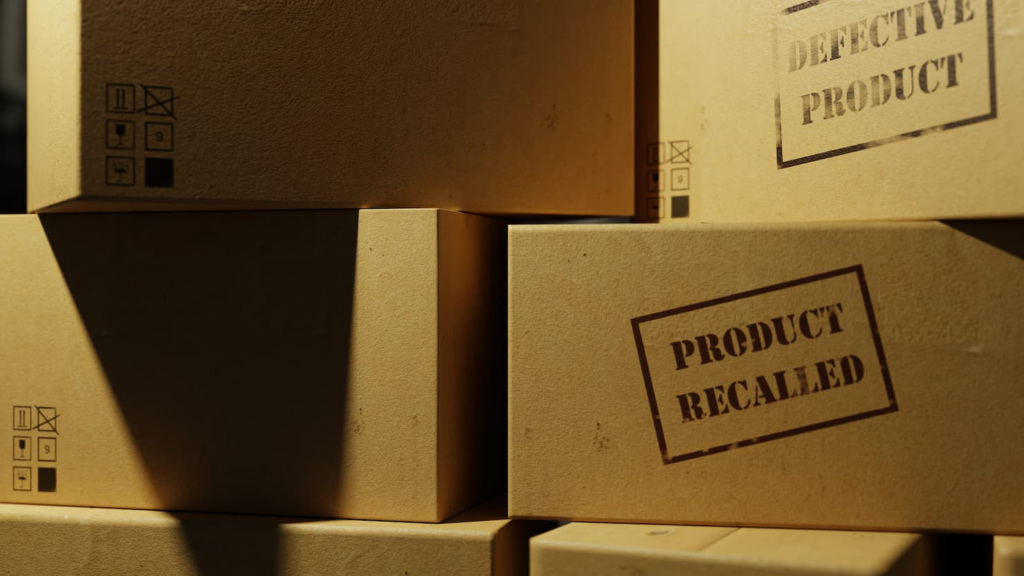
Factories optimize efficiency. When specifications lack precision, substitutions happen quietly.
Common examples include:
- Material thickness adjustments
- Component replacements
- Simplified internal structures
In Bulk Purchase Services, purchasing agents document specifications clearly before production begins.
3.2 How agents protect consistency across batches
Agents lock specifications through written confirmations, sample comparisons, and material verification. During production, deviations are promptly recorded and addressed, ensuring consistency across repeat orders and minimizing downstream disputes.
4. How Is Production Monitored in Practice?
4.1 Why factory timelines often look better on paper
Factories may report optimistic schedules to secure orders. A purchasing agent verifies the actual production status rather than relying solely on updates.
Agents confirm:
- Real production start dates
- Output pace versus commitments
- Early signs of bottlenecks
This transparency reduces surprise delays.
4.2 How mid-production issues are handled
When delays or defects emerge, Bulk Purchase Services allow agents to intervene early. Adjustments may include rescheduling batches, splitting shipments, or coordinating alternative solutions to prevent timelines from collapsing.
5. How Does Quality Control Scale with Bulk Orders?

5.1 Why approved samples are not enough
A flawless sample does not guarantee uniform bulk output. Fatigue, material shortages, and workflow changes can significantly impact large-scale runs.
Bulk-only problems frequently arise once production is underway, emphasizing the need for careful monitoring.
5.2 What inspections agents actually perform
Depending on order complexity, agents conduct staged inspections:
- Pre-production checks
- In-process verification
- Final random inspections
- Packaging and labeling reviews
These checks identify issues before shipment, reducing the need for costly corrections after delivery.
6. How Are Packaging, Labeling, and Consolidation Managed?
6.1 Why packaging errors disrupt entire shipments
Incorrect labels or cartons can delay customs clearance, trigger warehouse rejection, or violate destination requirements. In Bulk Purchase Services, packaging is treated as a technical standard rather than an afterthought.
6.2 How consolidation improves operational efficiency
Bulk orders often involve multiple suppliers. Agents coordinate warehouse consolidation to combine shipments, verify quantities, and prepare shipments for export. This reduces fragmented arrivals and simplifies inventory planning.
7. How Do Purchasing Agents Handle Documentation and Shipping?

7.1 Why paperwork creates unexpected risk
Documentation discrepancies can often lead to substantial delays in processes. Therefore, invoices, packing lists, and item descriptions must align perfectly with the actual physical goods. Consider the following points to minimize errors:
1. Verify all details before finalizing documents.
2. Cross-check physical items against the documentation to ensure accuracy.
3. Implement a checklist system for routine audits.
By adhering to these practices, you can effectively mitigate the risks associated with documentation errors.
7.2 How agents reduce clearance friction
Within Bulk Purchase Services, agents cross-check documents against actual shipments, standardize descriptions, and prepare backups. Shipping methods are selected based on volume, timing, and risk tolerance, not assumptions about speed alone.
8. How Do Bulk Purchase Services Support Long-Term Growth?
8.1 Why repeat orders need systemized control
As order volume increases, informal processes fail. Bulk Purchase Services introduces repeatable workflows, performance tracking, and supplier accountability.
This structure enables:
- Predictable lead times
- Lower error rates
- Better production planning
8.2 How agents strengthen supplier relationships
Purchasing agents act as operational bridges. Clear communication, issue documentation, and consistent follow-up improve supplier discipline and reliability over time. Strong relationships reduce friction and stabilize long-term supply chains.
Conclusion
Behind every successful bulk order from China lies a structured system that controls sourcing, production, quality, logistics, and risk management. Bulk Purchase Services are not about finding products; they are about finding the right products. They are about maintaining consistency and predictability in a complex supply environment.
A China purchasing agent works quietly across every stage, resolving issues before they escalate and turning bulk purchasing into a repeatable process rather than a gamble. For businesses that depend on a stable supply rather than trial and error, this behind-the-scenes work determines whether growth is sustainable.
For companies seeking structured Bulk Purchase Services with end-to-end coordination and operational control, platforms such as KongfuMall provide integrated support for managing complex China sourcing operations. Learn more at:https://www.KongfuMall.com.