Why International Forwarding Costs Vary So Much

Table of Contents
International forwarding costs can feel random until you see what actually drives them. The same parcel can cost very different amounts depending on weight rules, route choices, handling steps, and how a forwarding company prices risk and service.
In this guide, I'll break down the real reasons international forwarding costs vary so much, what you can control, and how to estimate a shipment before you pay.
1. What are "international forwarding costs" actually paying for?
1.1 Are you paying only for shipping, or for the whole process?
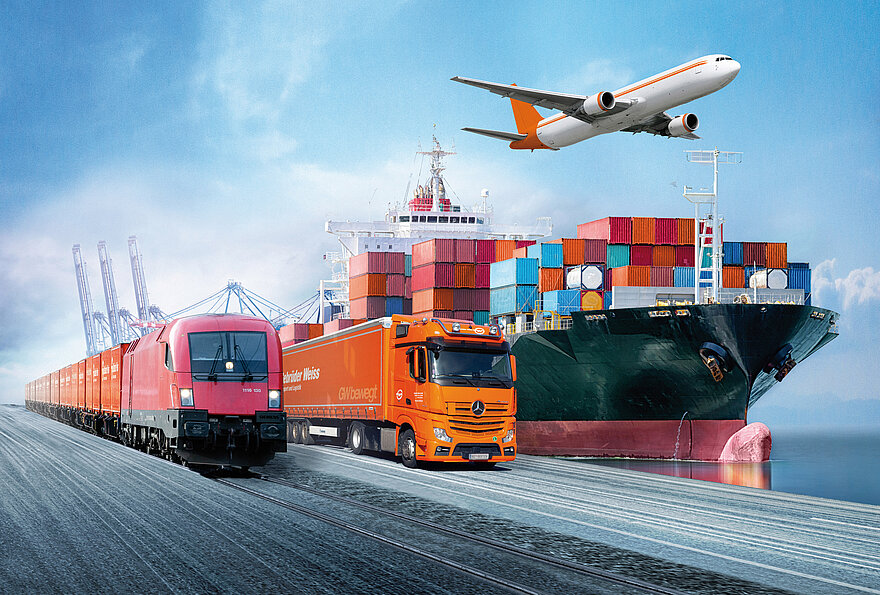
When people compare international forwarding costs, they often compare a single number and miss the workflow behind it. In practice, you're paying for a chain of actions, such as:
- Receiving and registering your parcel at a warehouse
- Checking and sorting items by destination and shipping method
- Measuring, weighing, repacking, and labeling
- Customs paperwork support and export compliance
- Linehaul transport, handoffs, and last-mile delivery
- Tracking updates, exception handling, and customer support
That's why two quotes can be far apart even if the destination looks the same.
1.2 Why does "handling" matter so much?
I've seen the most significant gaps come from warehouse work, not airplanes. If a parcel needs extra photos, reboxing, fragile protection, or split/merge processing, the total can increase even when the route remains the same. In other words, international forwarding costs often reflect "how much work happens before shipping," not just the flight.
2. Why do two parcels with the exact weight cost different amounts?
2.1 Is it chargeable weight vs scale weight?
Forwarders rarely charge only by what a scale shows. Many carriers use chargeable weight, which can be based on either:
- Actual weight (what the scale shows)
- Volumetric weight (space the box occupies)
If one seller packs a small item into a big box, you may pay for space. That's one of the most common reasons international forwarding costs vary so much.
2.2 How packaging changes what you pay
In real operations, packaging is a hidden "cost multiplier." Here's what usually increases chargeable weight:
- Oversized boxes for small items
- Too much empty fill
- Double-boxing when it isn't needed
- Heavy outer cartons for lightweight products
If I'm shipping soft goods, I typically request compact packing. If I'm shipping fragile items, I accept a larger box because protection matters more than size.
3. Do shipping routes and carrier networks change costs?
3.1 Why routes are not "one line" on a map
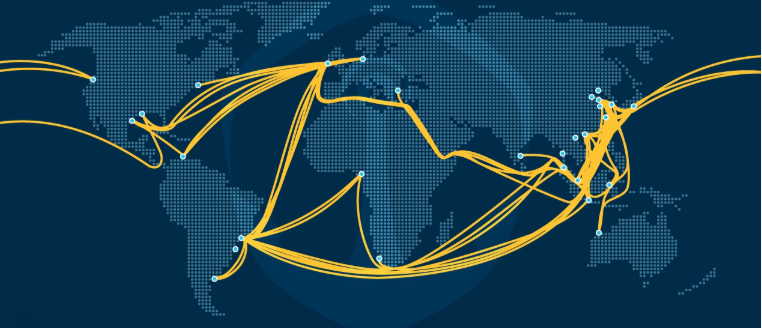
A route is a network decision: warehouse → export hub → transit hub → import hub → local carrier. Two forwarders can choose different paths based on availability and risk control.
If a forwarder has stable access to specific lanes, their international forwarding costs can be lower because they can plan volume better and reduce exception rates.
3.2 Why "fast lanes" and "economy lanes" are priced differently
Even without showing price numbers, the logic is simple:
- Faster lanes usually include tighter schedules, higher priority, and more reliable handoffs
- Economy lanes accept longer handoff windows and batch processing
So international forwarding costs can reflect reliability and predictability, not just speed.
4. How do restrictions and risk policies affect forwarding costs?
4.1 Are your items "ordinary cargo" or "special handling"?
Many shoppers don't realize category risk changes pricing. Even if an item is legal, it may require more compliance checks or carrier limitations.
Common triggers include:
- Batteries or power-related accessories
- Liquids, creams, gels, and cosmetics
- Magnets or strong metal components
- Branded goods that trigger inspection risk
- Items with unusual shapes or fragile materials
When a forwarder takes on greater responsibility for screening, packing, and routing these items safely, international forwarding costs can rise.
4.2 Why some parcels get flagged, and others don't
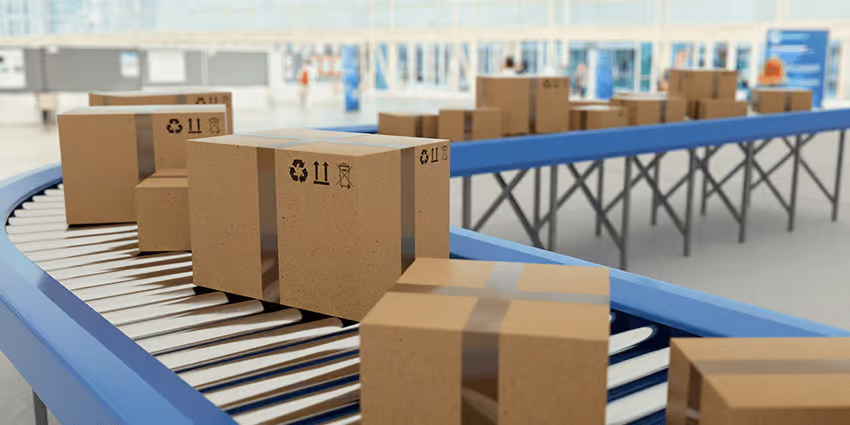
I've found that the same product can be treated differently depending on:
- The seller's declared description
- The packaging and labeling
- Mixed items in one box
- Destination country sensitivity
That's why "my friend shipped it cheaply" isn't always a reliable reference point.
5. Why do customs factors change the total cost
5.1 Are you paying for paperwork stability?
Customs is not just a border step. It's a documentation system that can cause delays, returns, or extra handling if details are inconsistent.
Forwarders that invest in clean documentation and better routing can reduce exceptions. That often makes international forwarding costs more stable and predictable.
5.2 Why do different countries create different cost patterns
Some destinations are stricter on product categories, descriptions, and parcel consistency. If a lane has a higher inspection rate, carriers and forwarders price that risk into operations.
That's why costs can vary even when the distance looks similar.
6. Why tracking quality and after-sales support influence costs
6.1 Do you want "a tracking number" or "traceable milestones"?
Not all tracking is equal. Some routes provide fewer scan events, and when a problem happens, it's harder to locate the parcel quickly.
Better tracking often requires stronger carrier partnerships, improved warehouse scanning, and better exception handling. Those operational upgrades can affect international forwarding costs.
6.2 What happens when something goes wrong?
The cost structure changes when a forwarder must handle:
- Address corrections
- Delivery failures and re-dispatch
- Warehouse returns at the destination
- Damage claims processing
- Seller-side returns inside China
This is why "customer support speed" is not just a nice-to-have. It's an operational cost that gets reflected somewhere.
7. Consolidation and "one-click merge" can lower the real cost
7.1 Should you ship separately or consolidate?
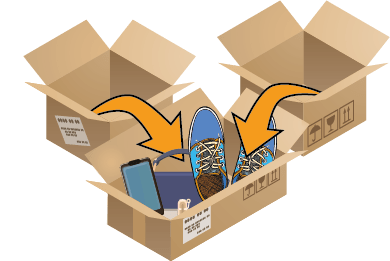
If you order from multiple Chinese platforms like Taobao, 1688, or Pinduoduo, you'll often receive various parcels. Shipping them one by one usually increases the total because each parcel incurs its own processing and linehaul costs.
What I typically do is:
- Receive all items at one warehouse
- Request photos or basic checks
- Consolidate into one well-packed parcel
- Ship with a method that matches the item type
This often improves value and reduces waste in international forwarding costs.
7.2 When consolidation can backfire
Consolidation is not always best. It may increase the chargeable weight if:
- Consolidation forces a much larger box
- One restricted item "contaminates" the whole parcel's route options
- Fragile items require heavy protection
A good platform should show options clearly so you can choose based on your actual basket.
8. Why "pricing transparency" is the difference between confusion and control
8.1 Are you comparing final totals or apples-to-apples line items?
International forwarding costs feel chaotic when you can't see what changed. The most useful pricing systems are separate:
- Shipping method choice
- Weight/volume rules (chargeable weight logic)
- Optional services (photos, repack, labels)
- Special handling needs (if any)
When these are combined into a single number, it's hard to optimize.
8.2 What you should check before you pay
Here's my quick checklist for controlling international forwarding costs:
- Confirm chargeable weight logic (actual vs volumetric)
- Check whether repacking is available
- Avoid oversized seller packaging when possible
- Keep restricted items separate when needed
- Confirm tracking quality and delivery scope
- Make sure customs descriptions are consistent
- Ensure cache/payment steps don't hide updated totals
9. How KongfuMall helps you reduce surprises
9.1 Can one platform handle both buying and forwarding cleanly?
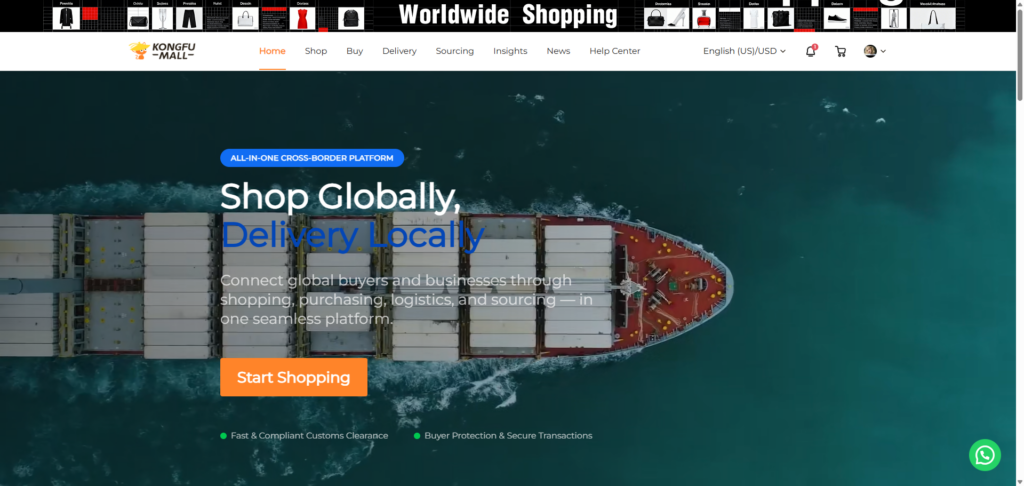
If you're sourcing across Chinese platforms, you need two things: purchasing support and forwarding control. KongfuMall is built for global buyers who want one workflow for:
- China purchasing via agent support (Taobao, 1688, Pinduoduo, and more)
- China parcel forwarding and consolidation
- DIY online ordering with clear steps
- Add-on services like photos, quality checks, and repack requests
- Flexible payment options like Stripe/PayPal/bank card, plus recharge options
In practice, that structure helps keep international forwarding costs predictable because the "buying side" and "warehouse side" share the same order context.
9.2 What I focus on as a buyer
When I use an agent-forwarding workflow, I care most about:
- Fewer missing steps between seller shipment and warehouse intake
- Fast responses when an item arrives wrong or damaged
- Clean consolidation that avoids oversized cartons
- Tracking that doesn't go silent for long stretches
These are operational details, but they're precisely what make international forwarding costs feel fair instead of confusing.
10. FAQ: Quick answers buyers actually search for
10.1 Why are international forwarding costs higher for "light" items?
Because "light" items can still take a lot of space. If the box is large, volumetric rules can increase the chargeable weight.
10.2 Can I reduce international forwarding costs without changing shipping speed?
Often, yes. Compact packing, smart consolidation, and separating restricted items can lower the total while keeping a similar lane.
10.3 Why do two forwarders quote different totals for the same destination?
They may use different chargeable weight rules, carrier networks, service bundles, or risk policies.
10.4 Is consolidation always cheaper?
Not always. Consolidation can increase volume, trigger restrictions, or require extra protection. It's best when your items are compatible and pack efficiently.
Conclusion
International forwarding costs vary because forwarding is not one service-it's a chain of receiving, processing, routing, compliance, and delivery decisions. Once you understand chargeable weight, packaging, restrictions, customs risk, and consolidation strategy, the "randomness" starts to disappear.
If you want a single workflow to buy from Chinese platforms and forward parcels worldwide with clear steps and flexible services, you can use KongfuMall: https://www.KongfuMall.com.