What Overseas Buyers Often Misjudge About Chinese Shopping

Chinese Shopping has become a popular option for overseas buyers seeking a wider selection and faster product cycles. However, many buyers have misconceptions about how the system works, which can lead to delays and frustration. This article highlights common misunderstandings about Chinese Shopping, the reasons behind these assumptions, and how experienced buyers navigate the process effectively, focusing on how it honestly operates rather than promoting products.

Table of Contents
1. Is Chinese Shopping Just About Low Cost?
1.1 Why do buyers reduce Chinese Shopping to pricing?
Many overseas buyers associate Chinese Shopping with cost alone. This idea comes from early exposure to wholesale narratives and mass-market exports. However, price is only one small part of the picture.
In reality, Chinese Shopping offers:
- Faster design iteration cycles
- Access to niche and domestic-only products
- Multiple quality tiers within the same category
- Flexible customization options
Focusing only on cost causes buyers to miss the structural advantages that make Chinese Shopping attractive in the first place.
1.2 What actually drives purchasing decisions?
Experienced buyers prioritize availability and flexibility in supply. Certain items exist only inside the Chinese market, either because they are made for local demand or because brands choose not to export them. Chinese Shopping is often about access, not discounts.
2. Do All Chinese Platforms Work the Same Way?
2.1 Why this assumption causes confusion
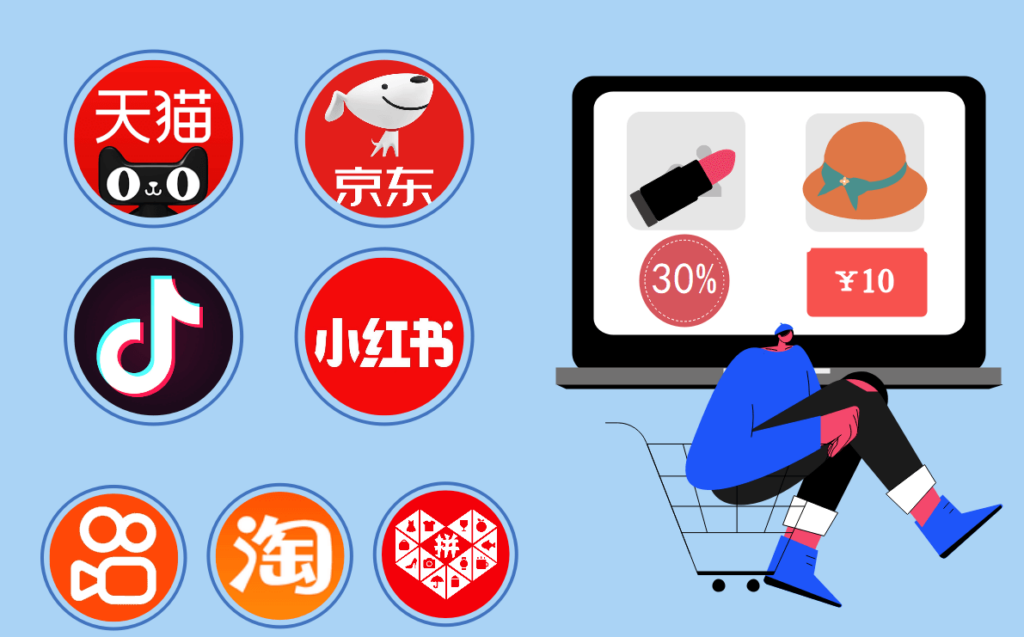
Overseas buyers often assume that all Chinese Shopping platforms function like Western marketplaces. This leads to frustration when interfaces, seller behavior, or transaction steps feel unfamiliar.
Chinese platforms differ in:
- Target audience
- Seller verification models
- Communication expectations
- Order confirmation workflows
Treating them as interchangeable creates misunderstandings at every stage.
2.2 How experienced buyers adapt
Seasoned buyers understand that Chinese Shopping requires platform-specific behavior. Some platforms emphasize speed, while others prioritize customization, and some are specifically designed for domestic wholesale rather than retail. Knowing which platform fits a goal matters more than browsing randomly.
3. Is Language the Real Barrier in Chinese Shopping?
3.1 Why translation alone is not enough
Language is often blamed when orders go wrong. However, translation tools solve only surface-level issues. The real challenge lies in how information is implied rather than stated.
Product listings may assume:
- Familiarity with local sizing logic
- Understanding of production batches
- Awareness of common material shortcuts
These details are rarely spelled out but are apparent to domestic buyers.
3.2 What overseas buyers often overlook
Chinese Shopping relies heavily on contextual knowledge. Measurements, packaging expectations, and even color naming can differ from international norms. Buyers who rely solely on translated text often misinterpret the intent rather than the words.
4. Are Product Photos Always Reliable?

4.1 Why visuals can be misleading
Overseas buyers often treat product photos as definitive proof of what will arrive. In Chinese Shopping, images are sometimes representational rather than literal.
Photos may show:
- Reference samples
- Styled prototypes
- Multiple variants combined into one listing
This does not mean deception is intended, but it does require clarification.
4.2 How experienced buyers verify details
Instead of trusting images alone, experienced buyers confirm:
- Variant-specific attributes
- Material descriptions
- Production version notes
This extra step prevents mismatched expectations.
5. Is Quality Either "Good" or "Bad"?
5.1 Why binary thinking fails
Many overseas buyers approach Chinese Shopping with a simple quality scale. This mindset does not reflect how manufacturing works in China.
Most product categories offer:
- Entry-level versions
- Mid-tier versions with better materials
- Premium versions made for specific buyers
Without specifying expectations, buyers may receive products that technically match the listing but not their intended use.
5.2 How quality is actually controlled
Quality in Chinese Shopping depends on communication. When requirements are precise, suppliers can match them. When they are vague, suppliers default to what the local market expects.
6. Do Sellers Handle International Buyers the Same Way?

6.1 Why seller behavior feels inconsistent
Some overseas buyers interpret delayed responses or brief replies as a sign of disinterest. In reality, many sellers are structured for domestic buyers who already understand the process.
Sellers may assume:
- Buyers know standard terms
- Buyers understand production timelines
- Buyers will confirm details proactively
This mismatch leads to frustration on both sides.
6.2 What improves communication outcomes
Clear, concise questions work best. Rather than open-ended inquiries, specific confirmations reduce confusion. Chinese Shopping rewards precision more than casual browsing conversations.
7. Is Shipping the Main Risk?

7.1 Why buyers overfocus on logistics
Shipping often receives the most attention, yet it is rarely the root cause of failed purchases. Most issues arise before an item ever leaves the warehouse.
Common pre-shipping issues include:
- Incorrect variant selection
- Incomplete specifications
- Assumptions about included accessories
Once these are resolved, shipping becomes a manageable process.
7.2 How experienced buyers think differently
Rather than worrying about transit alone, experienced buyers focus on order accuracy. Correct sourcing decisions reduce downstream logistics problems.
8. Can Overseas Buyers Shop Chinese Platforms Directly?
8.1 Why is direct access limited
Many Chinese Shopping platforms are designed for domestic users. Payment methods, account verification, and customer support often assume local residency.
This does not mean overseas buyers are excluded, but it does mean the system is not optimized for them.
8.2 Why assisted purchasing matters
Using a service that understands Chinese Shopping removes friction. Such services bridge gaps in:
- Platform access
- Seller communication
- Order verification
- Consolidated logistics
This allows overseas buyers to focus on selection rather than navigating the system.
9. Is Chinese Shopping Only for Bulk Buyers?
9.1 Where this belief comes from
Early exposure to Chinese exports often involved wholesale quantities. This created the belief that Chinese Shopping only works at scale.
In reality, many platforms support:
- Single-item purchases
- Small-batch orders
- Mixed-category sourcing
The key difference lies in how orders are managed, not their size.
9.2 How buying behavior has changed
As domestic consumption in China has increased, platforms have adapted accordingly. Overseas buyers now have access to the same consumer-level variety as local shoppers, provided the process is handled correctly.
10. Why Expectations Matter More Than Experience
10.1 The real source of disappointment
Most negative experiences with Chinese Shopping are not caused by fraud or low quality. They stem from expectations shaped by Western shopping habits.
When buyers expect identical workflows, identical communication styles, and identical assumptions, friction becomes inevitable.
10.2 How successful buyers adjust
Successful buyers approach Chinese Shopping as a different system, not a flawed one. They adapt rather than resist, and as a result, outcomes improve dramatically.
Conclusion
Shopping in China can be straightforward, but it requires an understanding of different assumptions compared to familiar environments. Adjusting these assumptions makes the process more efficient. For overseas buyers, partnering with an experienced sourcing service like KongfuMall simplifies access to products across mainland China. Their service covers a wide range of items, ensuring clarity, verification, and smooth transactions. To learn more, visit KongfuMall.com.