Warehouse Consolidation Done Right: Repack Rules That Reduce Damage and Volume Weight

Warehouse Consolidation is one of the smartest ways to ship multiple China purchases internationally. When it's done right, it reduces damage, removes wasted space, and keeps cartons from becoming oversized and costly by volume weight. When it's done wrong, items shift inside the box, corners collapse, and small cracks turn into big problems by the time the parcel arrives.
This guide shares practical repack rules used in real warehouse handling. The goal is simple: tight packing, stable inner protection, and safe outer strength-without making the shipment bulky.
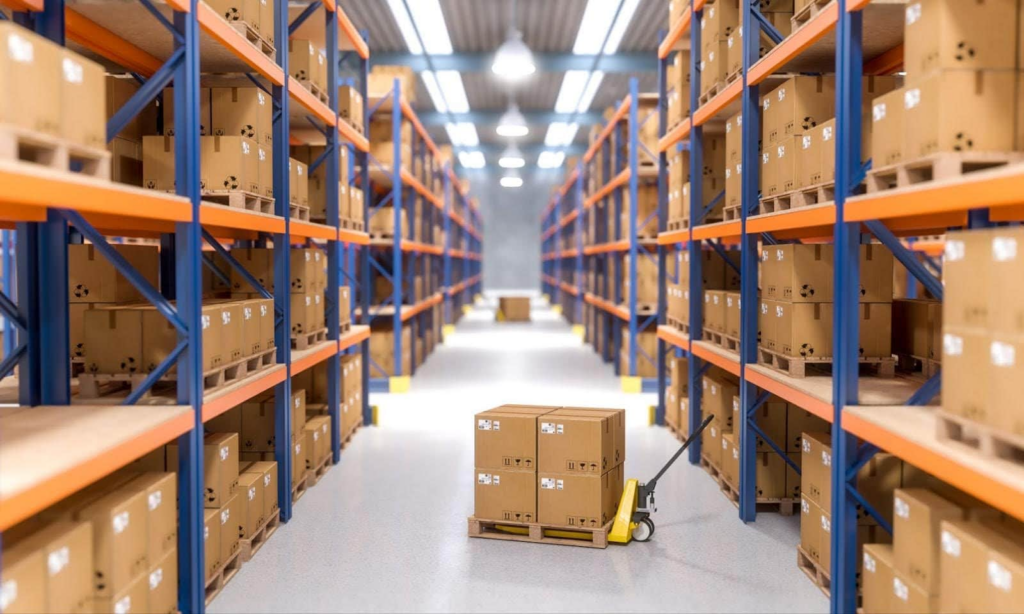
1. What does Warehouse Consolidation actually solve?
Warehouse Consolidation fixes two common shipping issues at the same time:
- Damage risk caused by movement, impact, and weak seller boxes
- Volume weight caused by oversized cartons with empty air inside
I treat consolidation like a rebuild, not a merge. We don't just tape boxes together. We redesign the final parcel so it travels better.
1.1 Why does volume weight increase so fast?
Volume weight rises when the carton is larger than the real product size. Even a light box can be charged like a heavy one if it takes up too much space.
So the goal is clear:
- Keep the outer carton compact
- Keep the inside fully supported
- Keep corners protected
2. What should you consolidate, and what should you ship separately?
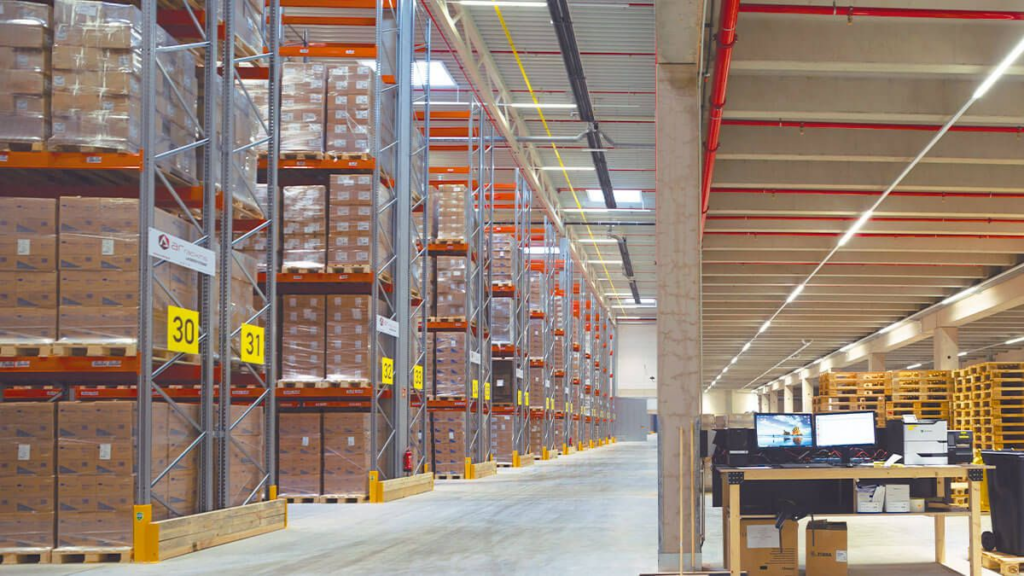
Not every item should share the same box. Good Warehouse Consolidation starts with sorting.
2.1 Which items are usually safe to combine?
These items usually consolidate well:
- Clothing, socks, caps, fabric products
- Soft accessories and daily goods
- Books, stationery, sealed items
- Small tools and packaged parts
They handle pressure and vibration better.
2.2 Which items need isolation or extra protection?
These items are higher risk during transit:
- Glass, ceramics, and fragile décor
- Electronics with screens
- Liquids, creams, and leak-risk goods
- Sharp metal edges and heavy corners
- Long items that bend easily
When I see these in a batch, I prioritize protection first, then size reduction.
3. What repack rules reduce damage during Warehouse Consolidation?
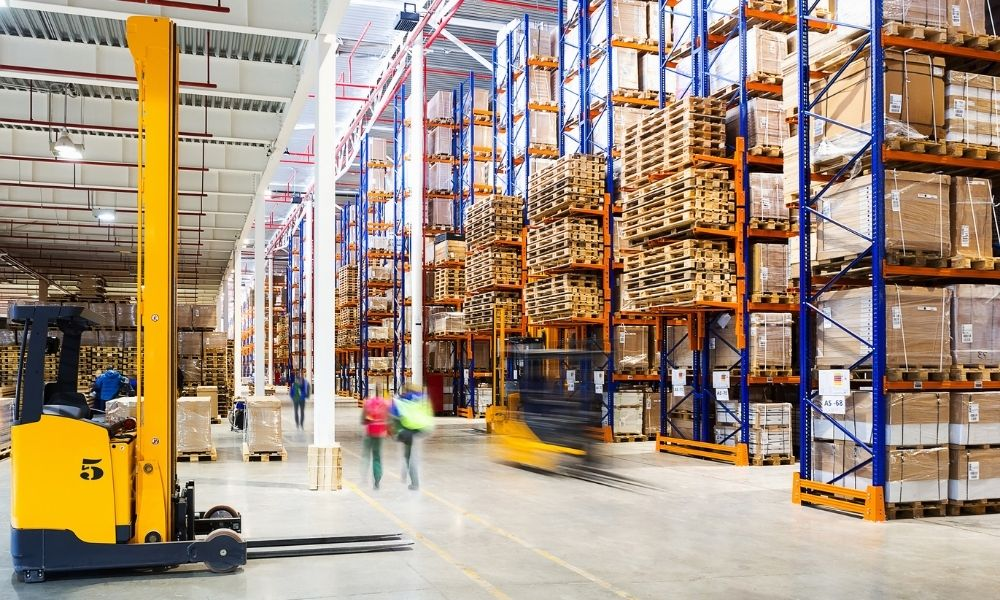
Most shipping damage comes from one thing: movement inside the carton.
If an item can slide, it can break.
3.1 How do you stop items from moving inside the box?
My rule is simple: no shake, no rattle, no slide.
A safe repack sequence looks like this:
- Wrap each item separately
- Bubble wrap for fragile goods
- Poly bag for soft goods to keep them clean
- Build inner bundles
- Combine small items into one stable unit
- Avoid loose pieces floating around
- Fill every gap completely
- Kraft paper, foam, or air pillows
- No "one side full, one side empty" cartons
- Lock fragile goods in the center
- Soft goods can buffer the outside
- Fragile goods should not touch carton walls
If I can feel movement when pressing the box, it's not ready.
3.2 How do you protect corners and edges where damage starts?
Corners take the first hit in sorting and transport. So I reinforce these areas:
- Add corner padding or guards for boxed items
- Reinforce edges with extra cardboard layers
- Use strong cartons for heavier loads
- Seal using a clean "H-shape" tape method (top and bottom)
This is what makes Warehouse Consolidation survive real-world drops and stacking.
4. How do you reduce volume weight without making the package unsafe?

Reducing size is useful, but risky compression causes damage. Smart Warehouse Consolidation uses "safe compression," not aggressive squeezing.
4.1 What packaging should be removed to cut wasted space?
These are common space wasters:
- Oversized seller cartons with lots of air
- Decorative gift boxes
- Extra retail packaging that adds size but not strength
- Weak multi-layer bags that collapse easily
I remove what doesn't protect the product, then rebuild protection properly.
4.2 When should you keep the original retail box?
I keep retail boxes when they add real structure, such as:
- Electronics boxes with firm inner trays
- Fragile items with molded inserts
- Items that need rigid shape support
If the retail box is thin and crush-prone, I replace it with stronger outer packing instead.
4.3 How do you choose the final carton size correctly?
A good carton should:
- Fit the items with minimal empty space
- Close without forcing the flaps down
- Keep heavy items flat, not angled
- Stay strong under stacking pressure
If the carton needs hard pushing to close, the risk goes up. Pressure cracks corners and screens.
5. What packing layout works best for mixed orders?
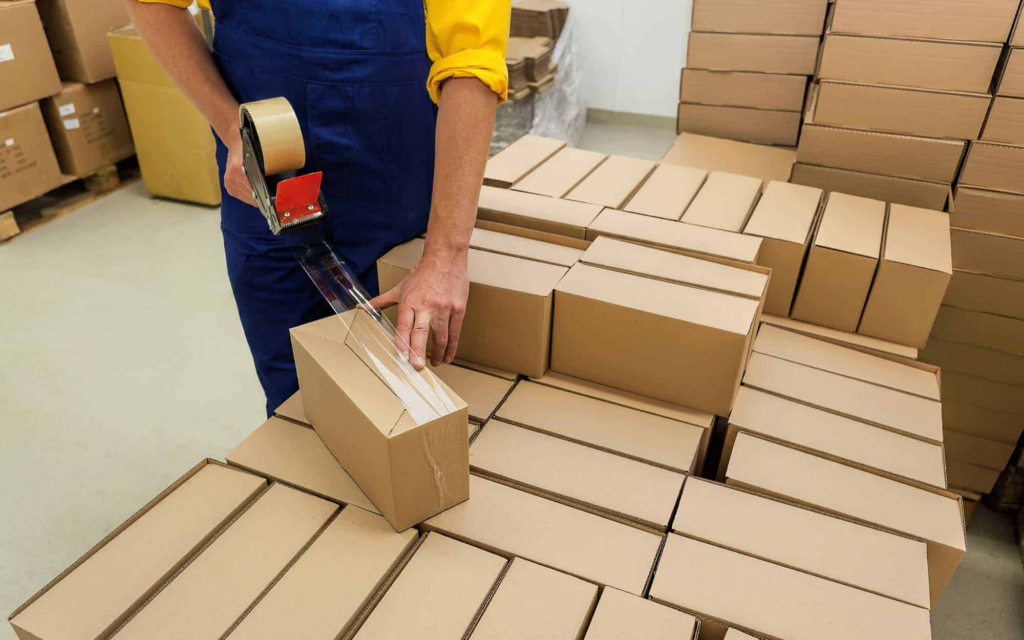
Mixed orders are normal when you're buying from multiple China platforms. The layout decides whether your shipment arrives clean or crushed.
5.1 How should items be stacked to prevent crushing?
I follow this layering logic:
- Bottom layer: heavy and flat items
- Middle layer: medium boxed goods
- Top layer: soft goods as shock absorbers
This keeps weight stable and reduces pressure damage.
5.2 What if you have one heavy item plus many small items?
This is a common damage scenario. Small items get pushed into corners and break.
I solve it like this:
- Give the heavy item its own padded zone
- Build a cardboard wall to prevent sliding
- Put small items into inner bags or small cartons
- Fill gaps so nothing drops into corners
This is where Warehouse Consolidation shows its value: it turns "random boxes" into one stable load.
6. What special cases need extra safeguards?

Some categories need extra rules because they leak, scratch, or deform easily.
6.1 How should liquids and creams be packed safely?
Leak control comes first:
- Seal caps and lids tightly
- Bag each bottle separately
- Add absorbent padding around it
- Keep liquids away from fabric or paper items
One leak can ruin everything in the carton.
6.2 How do you protect electronics during repacking?
Electronics fail from pressure and impact, not just drops. I focus on:
- Keep screens away from carton edges
- Use firm padding layers, not only soft filler
- Add flat cardboard support to stop bending
- Avoid over-compressing buttons and frames
Stable support beats thick bubbles with empty space.
6.3 What about sharp metal parts and hard corners?
Sharp edges cut packaging over time. I handle them like this:
- Wrap edges with thick padding
- Add cardboard shields around corners
- Separate metal parts from fragile surfaces
- Use an inner carton when needed
7. Why does a managed consolidation workflow matter for global buyers?

Many people think consolidation is "combine everything into one box." Real Warehouse Consolidation is closer to risk control.
When I manage the process, I can:
- Spot weak seller packaging early
- Rebuild protection for mixed orders
- Reduce wasted volume without unsafe squeezing
- Keep shipments clean, stable, and organized
At KongfuMall, we help global buyers source and purchase products from China across multiple platforms. Whether you're buying from Taobao, Tmall, 1688, JD, Pinduoduo, or other marketplaces, if it's available in mainland China, we can help you buy it and consolidate it into safer, smarter shipments.
Conclusion
Warehouse consolidation works best when packing is rebuilt with clear rules: stop movement, protect corners, remove wasted space, and keep the final carton compact but strong. When Warehouse Consolidation is done correctly, damage risk drops and volume weight stays under control-without sacrificing protection.
Start your next consolidated order with KongfuMall: https://www.KongfuMall.com