Is Chinese Shopping Still Worth It After International Costs?

A lot has changed for overseas buyers recently. Shipping fees fluctuate, customs checks seem stricter, and payment rules vary. The real question is whether buying from China still makes sense after considering freight, taxes, and resolving issues. Chinese Shopping can be worthwhile, but it's essential to factor in the entire process: Shopping, communication, domestic delivery, international shipping, customs, and after-sales service, beyond just the item price.

Table of Contents
1. What "International Costs" Really Include?
International costs are not one line item. They are a stack of small decisions that add up.
1.1 Which costs show up every time?
Most orders face some version of these:
- Domestic shipping inside China to a warehouse or consolidation point
- Packing and repacking choices (size, protection, branded boxes, batteries handling)
- International freight (line selection affects speed, tracking, and customs experience)
- Import tax or VAT, depending on the destination country and declaration rules
- Customs clearance friction (documents, restricted goods rules, inspection delays)
- Return difficulty (reverse logistics is often the most challenging part)
1.2 Which costs are "hidden" but real?
Some costs are not on invoices, but buyers still pay them on time and with stress:
- Messaging sellers across time zones
- Handling platform limits (address format, phone verification, payment blocks)
- Fixing wrong variants, missing parts, or size mismatches
- Splitting shipments to reduce risk for sensitive categories
- Re-buying because the first try was the wrong "quality tier" for the use case
When people say Chinese Shopping is "not cheap anymore," they usually mean these hidden costs have grown, not just the shipping label.
2. Does Chinese Shopping Still Beat Local Options?
It depends on what the buyer is actually optimizing for. Some buyers want the lowest possible landed cost. Others wish to access, select, and speed up iteration.
2.1 When does it still make clear sense?
Chinese Shopping tends to stay attractive when one or more of these are true:
- The product variety locally is limited
- The buyer needs uncommon sizes, colors, spare parts, or shopping accessories
- The buyer is doing repeat orders and can reuse the exact sizing and supplier logic
- The buyer can consolidate several items into one well-packed shipment
- The buyer values fast product discovery and fast reordering cycles
In these cases, international costs may rise, but the selection advantage and sourcing flexibility remain.
2.2 When does it stop being worth it?
It often becomes less attractive when:
- The item is of low value and bulky, so shipping dominates the landed cost
- The buyer expects easy returns like local e-commerce
- The item is highly regulated, fragile, or likely to be inspected
- The purchase is "one and done," with no learning value for future orders
Chinese Shopping is usually strongest when the buyer treats it as a system rather than a single purchase.
3. Which Product Categories Survive International Costs Best?
Different shopping categories behave differently under global logistics.
3.1 What categories handle shipping and customs better?
These categories often do well because weight, fragility, and restriction risk are lower:
- Small accessories and parts
- Non-fragile household items
- Tools and components (when they are not restricted)
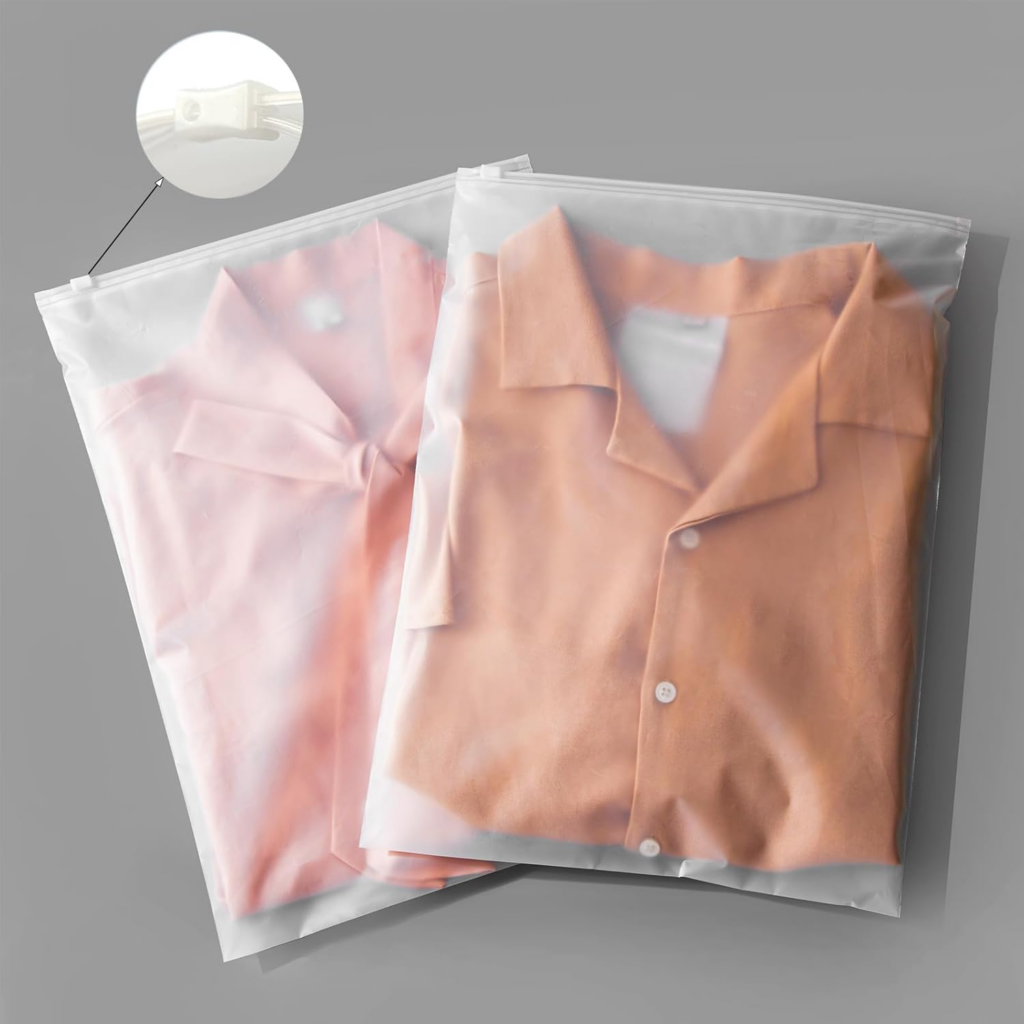
- Apparel and simple daily goods (when sizing is handled carefully)
Even here, the key is consistency: stable sellers, clear photos, and repeatable specs.
3.2 What categories get risky fast?
These tend to create more friction:
- Items with batteries, magnets, liquids, or strong scents
- Branded packaging where buyers insist on keeping every box and insert
- Fragile items that need complex protective packing
- Categories where authenticity claims matter legally in the destination country
- Anything that triggers restricted goods rules in air shipping lanes
The point is not that these items are impossible. The fact is that international costs rise sharply when risk increases.
4. What Is the Real "Break-Even" Logic?
Buyers often look for a single rule, but the practical answer is a checklist.
4.1 How can a buyer calculate value without using price numbers?
A helpful method is to compare three things:
- Replacement ease
- If the order arrives wrong, can it be replaced without losing weeks?
- Specification certainty
- Is the product spec clear enough for the buyer to verify before shipping?
- Logistics fit
- Does the item fit a stable shipping line without special handling?
If all three are strong, Chinese Shopping is often worth it even after international shipping costs.
4.2 What mistakes make buyers feel "it's not worth it"?
The most common pattern looks like this:
- The buyer orders from multiple sellers without consolidation planning
- The buyer relies on unclear photos or vague size charts
- The buyer ships in the original bulky box instead of optimizing packing
- The buyer discovers restrictions only after the warehouse receives the item
This is why experienced buyers talk about "process" more than "deals."
5. How Much Do Shipping Choices Change the Outcome?
Shipping is not just speed. It is also tracking quality, customs behavior, and damage risk.

5.1 What choices matter most?
A few practical levers usually matter more than people expect:
- Consolidation vs separate parcels
- Consolidation often reduces packaging waste and simplifies tracking.
- Packing strategy
- Repacking can reduce volume and protect fragile corners, but it must be done carefully.
- Route stability
- Some lanes are more consistent for specific destinations and categories.
- Declared info quality
- Clear, accurate item descriptions reduce confusion during inspection.
Chinese Shopping becomes less stressful when shipping is treated like a planned workflow.
5.2 Why do two buyers have opposite experiences?
Two buyers can order the same item and get totally different results. The difference is usually not luck. It is a process:
- One buyer uses a stable supplier and repeats known variants
- One buyer tests small, then scales
- One buyer uses consolidation and checks photos before shipping
- One buyer keeps changing sellers and skipping pre-shipment confirmation
6. What About Customs, VAT, and Duties?
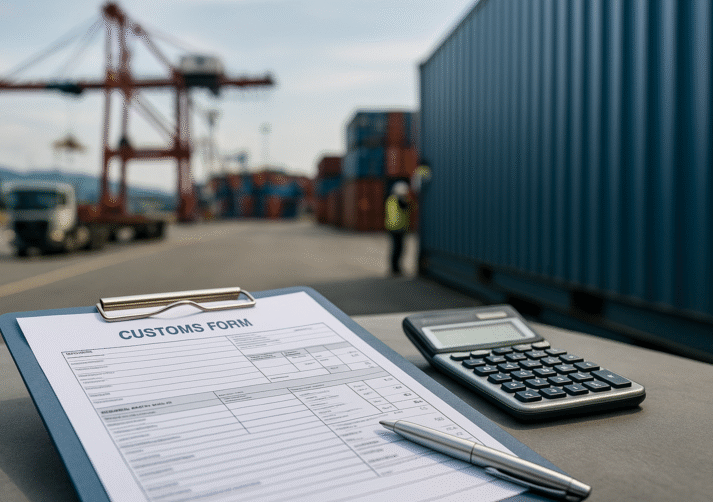
These rules vary by country. Some destinations broadly apply VAT to imported goods. Others have different thresholds and paperwork patterns. Because of that, no honest guide can promise one outcome for every buyer.
6.1 What can buyers do that is consistently reasonable?
A few steps help in most places:
- Keep order details and item descriptions organized
- Avoid vague or misleading declarations
- Understand that "gift" labeling does not magically remove obligations
- Expect that inspections can happen and can delay delivery
Chinese Shopping still works best when buyers plan for routine customs procedures rather than hoping to avoid them.
6.2 What about returns and disputes?
This is the hard truth: national returns are rarely smooth. Even when a seller is cooperative, the logistics of sending items back can be labor-intensive. Many experienced buyers shift their mindset:
- Prevent mistakes before shipping
- Use photo confirmation and measurements
- Choose products where minor variance is acceptable
- Treat the first purchase as a test order
7. Can a Sourcing Service Make Chinese Shopping Worth It Again?
For many global buyers, the highest cost is not money. It is coordination. That is where a structured sourcing service can reduce friction.
7.1 What parts of the process are most complex for overseas buyers?
Based on common buyer pain points, these usually cause the most trouble:
- Finding the correct listing across platforms that look similar
- Confirming variant details like size, material, and version
- Communicating with sellers quickly and clearly
- Managing multiple domestic shipments and consolidating them
- Checking photos before international shipping
- Choosing a shipping line that matches the item's constraints
If these steps are handled consistently, Chinese Shopping becomes predictable again.
7.2 How does KongfuMall fit into this workflow?
KongfuMall supports global buyers with proxy purchasing across Chinese platforms. The practical goal is to make sourcing and fulfillment feel like a single continuous pipeline rather than a series of disconnected steps. The Chinese mainland offers an extensive selection, and in many categories, the best options never appear on overseas marketplaces. In that context, Chinese Shopping is less about chasing a bargain and more about unlocking access while keeping the process under control.
KongfuMall can help you purchase items available across China's major platforms. In simple terms, if it can be bought in mainland China through normal commerce channels, the service can source it, confirm it, and ship it internationally.

8. A Simple Decision Guide for Buyers
Here is a quick way to decide if Chinese Shopping is worth it for a specific order.
8.1 Quick checklist
Chinese Shopping is more likely worth it when:
- The item is small or can be packed efficiently
- The spec is clear and can be confirmed with photos
- The buyer can consolidate muShoppingtems
- The buyer accepts that returns may be difficult
- The purchase creates learning value for future repeats
It is less likely worth it when:
- The item is bulky and of low value
- The category is heavily restricted for shipping
- The buyer needs instant delivery and easy return windows
- The product depends on uncertain sizing and cannot be measured reliably
8.2 A safer way to start
A practical approach that reduces regret:
- Start with a small test order
- Verify photos and measurements before shipping
- Keep the seller list short and consistent
- Consolidate once the workflow is stable
That approach prevents international costs from becoming "surprise costs."
Conclusion
Chinese Shopping remains valuable for international buyers, but success now depends on factors such as product category, shipping efficiency, and customs regulations. Well-managed processes make international costs predictable, while disorganized ones feel penalizing. KongfuMall assists global buyers in sourcing products from Chinese platforms, offering support for selection and shipping.