"Easy Ordering" Explained: How a Small-Parcel Consolidation Tool Simplifies Ordering and Support

Ordering products from multiple sellers across different Chinese platforms can feel fragmented and time-consuming. The challenge usually is not finding products, but managing scattered parcels, inconsistent tracking, and unclear follow-up when something goes wrong. A small-parcel consolidation tool addresses these issues at the system level. It provides structure for ordering, shipping, and support, particularly for global buyers sourcing from China.
This article explains how "Easy Ordering" works in practice, why it matters, and how a small-parcel consolidation tool simplifies both daily purchasing and long-term support.
Table of Contents
What Does "Easy Ordering" Actually Mean in Cross-Border Sourcing?
"Easy Ordering" does not mean fewer choices or a simplified catalog. It means fewer steps after a buyer decides what to purchase.
When sourcing from China, orders often involve:
- Multiple platforms
- Different sellers
- Separate domestic shipments
A small-parcel consolidation tool integrates these steps into a single workflow. It allows buyers to submit product links, place multiple orders, and manage everything in one interface, eliminating the need to juggle separate accounts and track numbers.
The goal is control, not restriction.
Why Is Ordering from Multiple Chinese Platforms So Complicated?
Most global buyers face the same structural issues.
Why do parcels arrive separately?
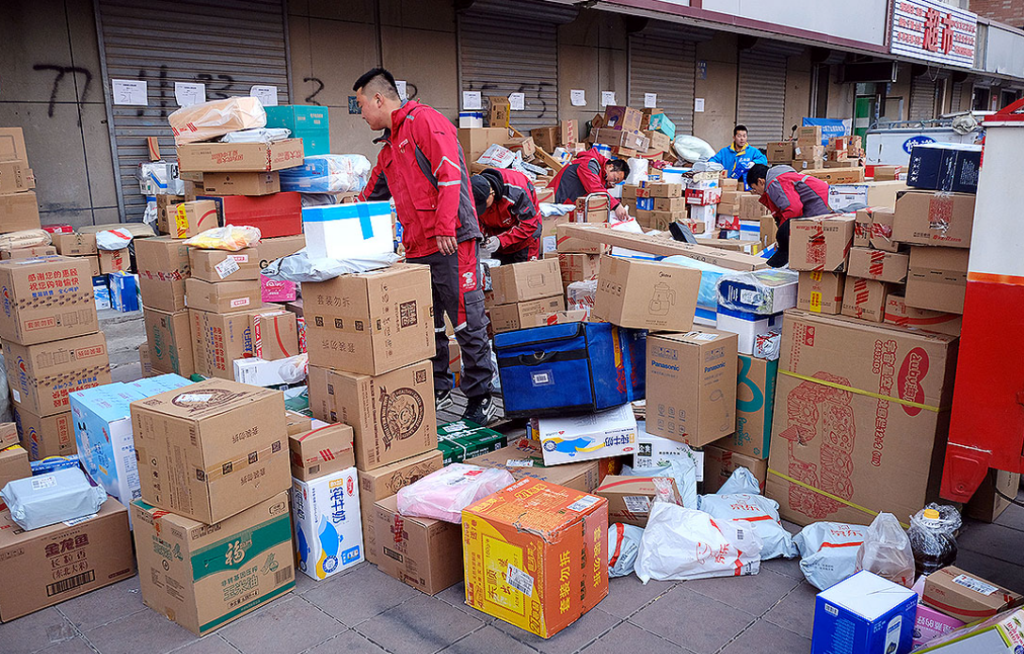
Chinese sellers usually ship independently. Even when products are ordered on the same day, they often ship from different cities or warehouses.
Why is tracking hard to follow?
Each seller provides its own tracking number. Buyers must check several systems, often in Chinese, with no unified status view.
Why does support feel disconnected?
If an item is missing or incorrect, the buyer must identify the seller who shipped the parcel. This adds delay and confusion.
A small-parcel consolidation tool exists to remove these friction points without limiting access to products.
How Does a Small-Parcel Consolidation Tool Change the Ordering Flow?
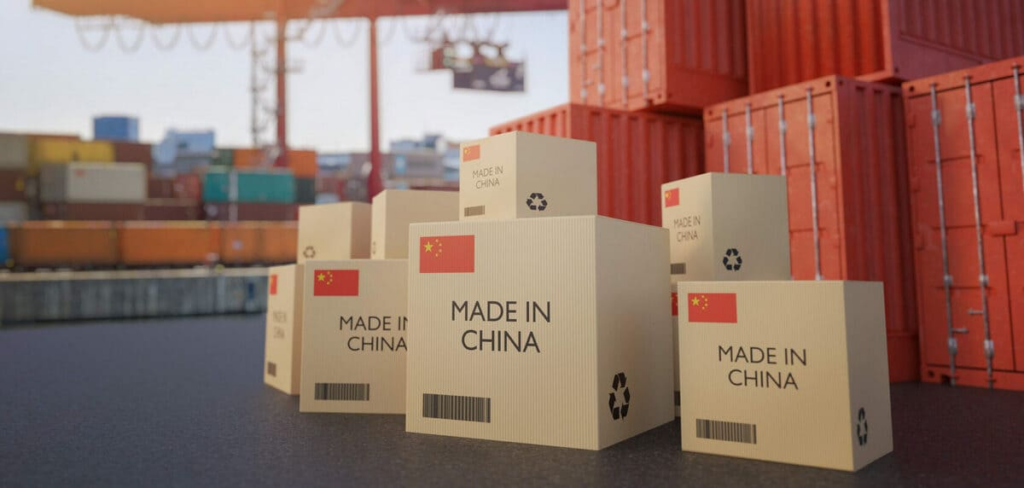
The main change is centralization.
Instead of tracking each seller separately, the buyer works with one system that:
- Receives all domestic parcels
- Registers them under one account
- Prepares them for international shipping together
This does not change how sellers operate. It changes how the buyer experiences the process.
What Happens After an Order Is Submitted?
Once product links are submitted, the consolidation process begins in the background.
Step 1: Domestic delivery to a central warehouse
All sellers ship to the same receiving address. Each parcel is checked and logged upon arrival.
Step 2: Parcel identification and matching
Every package is matched to its original order. This step prevents confusion later when parcels are combined.
Step 3: Consolidation planning
Parcels are grouped based on destination, shipping method, and handling needs.
This structure allows buyers to see progress clearly, rather than guessing where each item is.
How Does Consolidation Reduce Support Issues?
Support problems often begin with a lack of context. A small-parcel consolidation tool reduces this risk by keeping all order data in one place.
Why is issue tracking easier?
Because every parcel is registered, support teams can quickly identify:
- Which seller shipped the item
- When it arrived
- Whether it was included in the final shipment
This avoids the need for repeated explanations and reduces resolution time.
Does consolidation hide problems?
No. It exposes them earlier. Missing or damaged items are identified at the warehouse stage, not after international delivery has occurred.
Can Different Product Types Be Managed Together?
Yes. A well-designed small-parcel consolidation tool handles mixed orders.
This includes:
- Apparel and accessories
- Electronics and components
- Household items
- Niche or platform-specific products
As long as a product is legally purchasable in mainland China, it can be included. The system focuses on logistics coordination, not product limitation.
How Does Easy Ordering Help Frequent Buyers?
For buyers who place orders regularly, the benefits compound over time.
Consistent process
Each order follows the same structure. There is no need to relearn steps for different platforms.
Better visibility
Order history, parcel status, and shipment records remain accessible in one account.
Fewer manual checks
Instead of checking each seller's message or tracking page, buyers can monitor a single dashboard.
This consistency reduces mental load, which matters for long-term sourcing.
Does a Small-Parcel Consolidation Tool Limit Platform Choice?
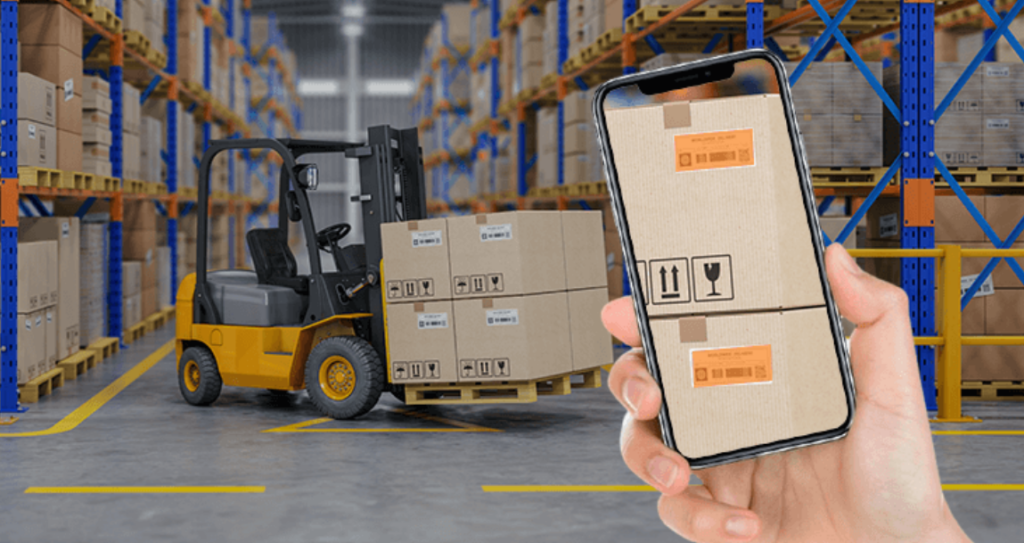
No. Platform flexibility is a core reason buyers use this model.
A consolidation tool works across:
- Large marketplaces
- Specialized niche platforms
- Independent sellers
The system does not replace these platforms. It connects them into one outbound shipping workflow.
How Does This Model Support Global Buyers?
Global buyers frequently encounter language barriers, time zone discrepancies, and platform-specific regulations. Easy Ordering reduces these barriers.
Communication clarity
Buyers interact with one support team instead of multiple sellers.
Unified problem handling
If an issue occurs, it is handled at the consolidation level, rather than being pushed back to the buyer to resolve on their own.
Predictable process
Even when sellers differ, the consolidation workflow remains stable.
This structure is beneficial for buyers ordering from several regions or managing recurring shipments.
Is This Only for Large Orders?
No. Small-parcel consolidation is designed for flexibility.
It supports:
- Single-item purchases from multiple sellers
- Small batch orders
- Ongoing sourcing projects
The focus is not on order size. It is an ordered organization.
Why "Easy Ordering" Improves Long-Term Efficiency
The real value appears over time.
When buyers understand the system, they spend less time:
- Coordinating deliveries
- Chasing tracking updates
- Explaining issues repeatedly
A small-parcel consolidation tool creates a stable operating layer. Buyers can focus on sourcing decisions rather than logistics friction.
How KongfuMall Fits into This Workflow

At KongfuMall, the small-parcel consolidation tool is built around the idea of Easy Ordering.
The platform supports global buyers by:
- Assisting with purchasing from Chinese platforms
- Receiving and consolidating parcels in mainland China
- Coordinating international shipping
- Providing centralized order and support management
Any product that can be purchased within mainland China can be sourced and consolidated for delivery to the mainland. The system is designed to handle variety, not limit it.
Conclusion
Easy Ordering is not a shortcut. It is a structured approach to complexity. A small-parcel consolidation tool simplifies ordering by consolidating scattered steps into a single, predictable process. It improves visibility, reduces support friction, and makes cross-border sourcing manageable over time.
For global buyers sourcing from China, this model replaces guesswork with clarity. To learn more about how this workflow operates in practice, visit KongfuMall.com. This approach is about control, consistency, and long-term efficiency-not about cutting corners.