Why Delivery Times Vary: How a Small-Parcel Consolidation Tool Affects Dispatch Speed and Shipping Lines

Delivery speed is one of the first things global buyers notice when sourcing products from China. Some shipments move smoothly, while others take longer than expected, even when they appear similar on the surface. The difference is rarely random. In most cases, delivery times vary due to the way orders are collected, consolidated, processed, and dispatched.
A well-designed small-parcel consolidation tool plays a central role in this process. It determines how multiple packages are handled before shipment, how shipping lines are selected, and how quickly parcels are dispatched from the warehouse. Understanding this mechanism helps buyers set realistic expectations and make better shipping decisions.
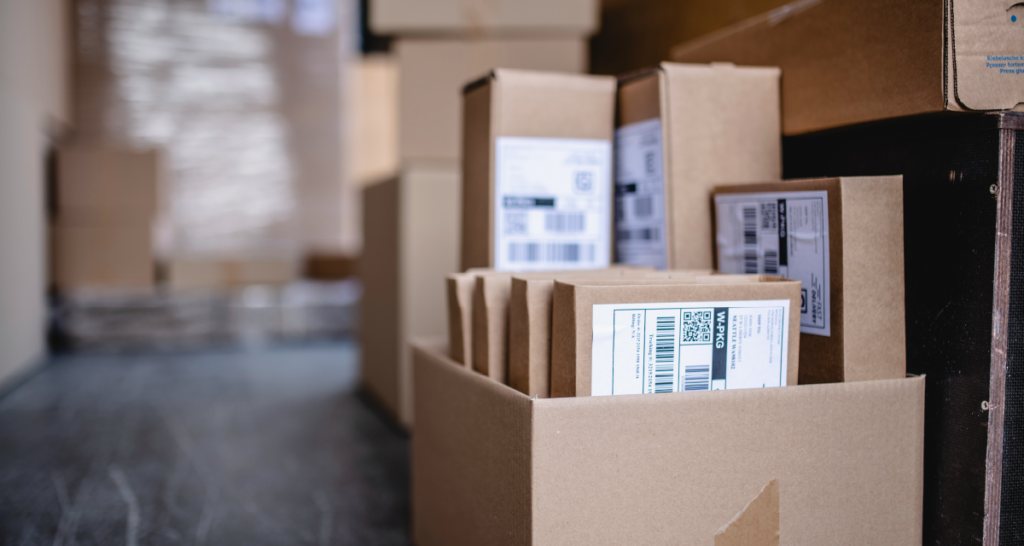
Table of Contents
1. Why Do Delivery Times Vary Even for Similar Orders?
Many buyers assume delivery time depends only on the shipping carrier. In reality, dispatch speed is influenced much earlier.
1.1 Is the delay caused before shipping even starts?
Yes, in many cases. Delivery time often varies before a parcel ever leaves China.
Common pre-dispatch factors include:
- How fast do sellers ship to the warehouse
- Whether all packages arrive together
- How consolidation is scheduled
A small-parcel consolidation tool determines when parcels are ready to move forward. If consolidation is delayed, dispatch will also be delayed.
1.2 Do different buying platforms affect timelines?
They do. Orders from platforms like 1688, Taobao, or Pinduoduo arrive at different speeds. A consolidation system must handle these differences efficiently.
Without a structured tool, parcels arrive unevenly and sit idle. With a proper consolidation workflow, incoming packages are tracked, grouped, and prepared with less friction.
2. How Does a Small-Parcel Consolidation Tool Shape Dispatch Speed?
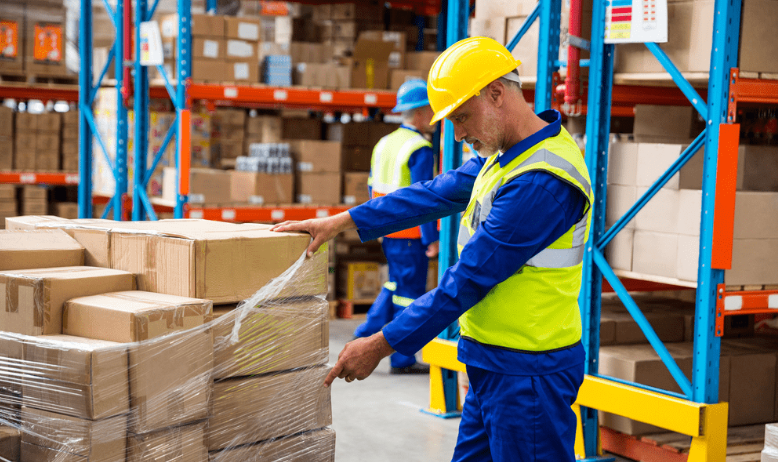
Dispatch speed is not only about shipping lines. It starts with how parcels are managed inside the warehouse.
2.1 What happens after packages arrive at the warehouse?
A structured small-parcel consolidation tool follows a precise sequence:
- Package check-in
- Photo inspection
- Status update
- Consolidation queue
- Dispatch scheduling
Each step affects how quickly the parcel moves forward. If any step lacks automation or visibility, delays accumulate.
2.2 Why does consolidation timing matter?
Consolidation is not instant. It depends on:
- Whether all related packages have arrived
- The buyer's consolidation choice
- Warehouse processing capacity
A good consolidation tool allows buyers to control timing, rather than waiting unthinkingly.
3. How Consolidation Influences Shipping Line Selection
Shipping lines are not chosen in isolation. They depend on parcel size, destination, and consolidation results.

3.1 Does consolidation change available shipping routes?
Yes. After consolidation, the parcel's final weight and volume become clear. This directly affects which shipping lines are available.
A small-parcel consolidation tool helps:
- Match parcels to suitable routes
- Avoid unsuitable line selections
- Reduce routing adjustments later
3.2 Why do some lines dispatch faster than others?
Different shipping lines have different cutoff times, capacity limits, and handling rules. Consolidation determines whether a parcel meets those requirements early or fails to meet them.
Late consolidation often means missing optimal dispatch windows.
4. Why Tracking Speed Depends on Consolidation Quality
Tracking delays are often mistaken for shipping delays.
4.1 When does tracking usually start?
Tracking typically activates after dispatch, not after the order is placed. A consolidation tool that delays dispatch will naturally delay tracking updates.
This creates confusion if buyers expect immediate tracking activity.
4.2 How does a consolidation tool improve tracking clarity?
A structured small-parcel consolidation tool provides:
- Clear status changes
- Predictable transitions
- Fewer unexplained gaps
This transparency reduces uncertainty, even if total delivery time varies.
5. The Role of Inspection, Photos, and Pre-Dispatch Checks
Inspection services are often misunderstood as delays. In practice, they prevent larger issues later.
5.1 Does inspection slow down delivery?
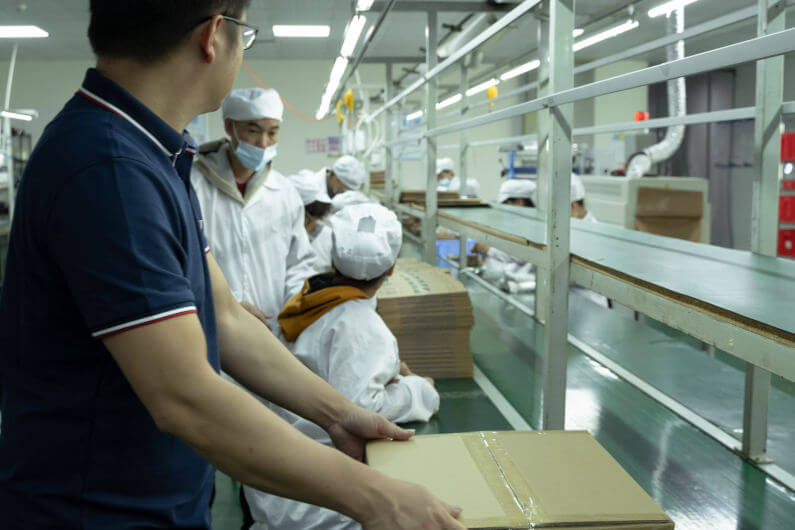
Inspection adds time, but it also prevents:
- Wrong items are being shipped
- Missing components
- Packaging errors
A consolidation tool that integrates inspection efficiently minimizes unnecessary waiting.
5.2 Why inspection timing matters for dispatch
If inspection is delayed or unstructured, consolidation stalls. When inspection is integrated into the consolidation workflow, parcels progress smoothly.
6. Why Different Buyers Experience Different Delivery Speeds
Two buyers can order similar items and see different delivery times.
6.1 Is buyer behavior part of the equation?
Absolutely. Delivery speed depends on:
- How quickly buyers confirm consolidation
- Whether instructions are clear
- When dispatch approval is given
A small-parcel consolidation tool gives buyers control, but that control also affects timing.
6.2 Do consolidation preferences matter?
Yes. Some buyers prefer to wait for all packages to arrive. Others prioritize speed. The tool must support both approaches without confusion.
7. How a Good Consolidation Tool Reduces Hidden Delays
Hidden delays often come from unclear processes.
7.1 What causes silent delays?
Common causes include:
- Unconfirmed consolidation status
- Missing buyer instructions
- Manual handling errors
A well-designed small-parcel consolidation tool minimizes these gaps through structured workflows.
7.2 Why automation matters more than speed claims
Automation ensures consistency. Even if delivery times vary, predictable processing builds trust.
8. Using a Small-Parcel Consolidation Tool for Global Buying from China
For global buyers sourcing from China, consolidation is not optional.
8.1 Why is consolidation essential for multi-platform sourcing
When buying across multiple Chinese platforms, parcels arrive separately. A consolidation tool unifies them into one controlled process.
This is especially important when:
- Sourcing from different sellers
- Managing multiple orders
- Coordinating international shipping
8.2 How KongfuMall fits into this workflow
KongfuMall supports global buyers by acting as a centralized buying and consolidation platform. Any product available within mainland China can be sourced, consolidated, and prepared for international shipment using a structured small-parcel consolidation tool.
This approach reduces fragmentation and improves dispatch predictability.
9. Common Misunderstandings About Delivery Speed
Many assumptions about shipping are inaccurate.

9.1 Is faster always better?
Not necessarily. Rushed consolidation can cause:
- Packing mistakes
- Incomplete shipments
- Route mismatches
Balanced processing often leads to smoother delivery.
9.2 Does consolidation always delay shipping?
No. In many cases, consolidation reduces overall delivery time by avoiding multiple shipments and re-routing issues.
Conclusion
Delivery times vary because international shipping begins long before a parcel leaves the warehouse. A small-parcel consolidation tool shapes how packages are grouped, inspected, scheduled, and matched to shipping lines. When consolidation is structured and transparent, dispatch becomes more predictable, even if timelines differ.
For global buyers sourcing from China, understanding this process is key. Platforms like KongfuMall provide a unified solution that supports purchasing across Chinese marketplaces, structured consolidation, and international dispatch planning.
Discover how consolidated sourcing and shipping work at KongfuMall.com.