Why Product Inspection Matters When Buying from China

Table of Contents
Product Inspection is the practical step that turns "looks good online" into "arrives exactly as expected." When you buy from China platforms with many sellers and many variants, the biggest risk is simple: the item you receive may not match the listing, the selected option, or your real needs. A clear Inspection process catches mistakes before shipping and gives you proof when something is off.
1. What are people really trying to avoid with Product Inspection?
Most buyers search "Product Inspection" because they want fewer surprises. They want the right version, in good condition, packed with the correct extras.
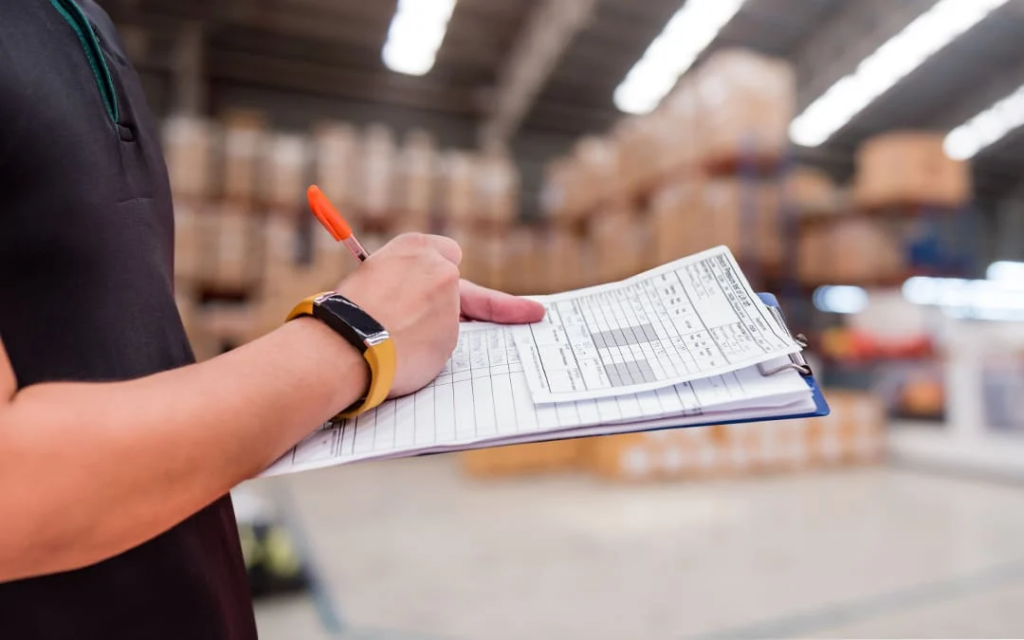
1.1 Is it about quality, or about getting the right item?
It's both, but the order matters.
- First: accuracy (model, size, color, variant, bundle)
- Then: condition (scratches, stains, dents, stitching, finish)
- Then: completeness (accessories, parts, packaging)
- Sometimes: basic function (power-on, zippers, buttons)
A good Inspection starts with "did we receive the exact item you ordered," then checks the details.
2. Why is buying from China more likely to need inspection?
China marketplaces are huge and fast-moving. Listings often have many options, frequent restocks, and multiple batches. That's great for variety, but it increases the chance of:
- Picking the wrong variant during packing
- Small changes between batches (material, finish, details)
- Photos that don't match the latest run
- Missing accessories that were included in the listing
Product Inspection helps because it verifies the specific unit before it leaves China.
2.1 Which categories have the most "wrong item" issues?
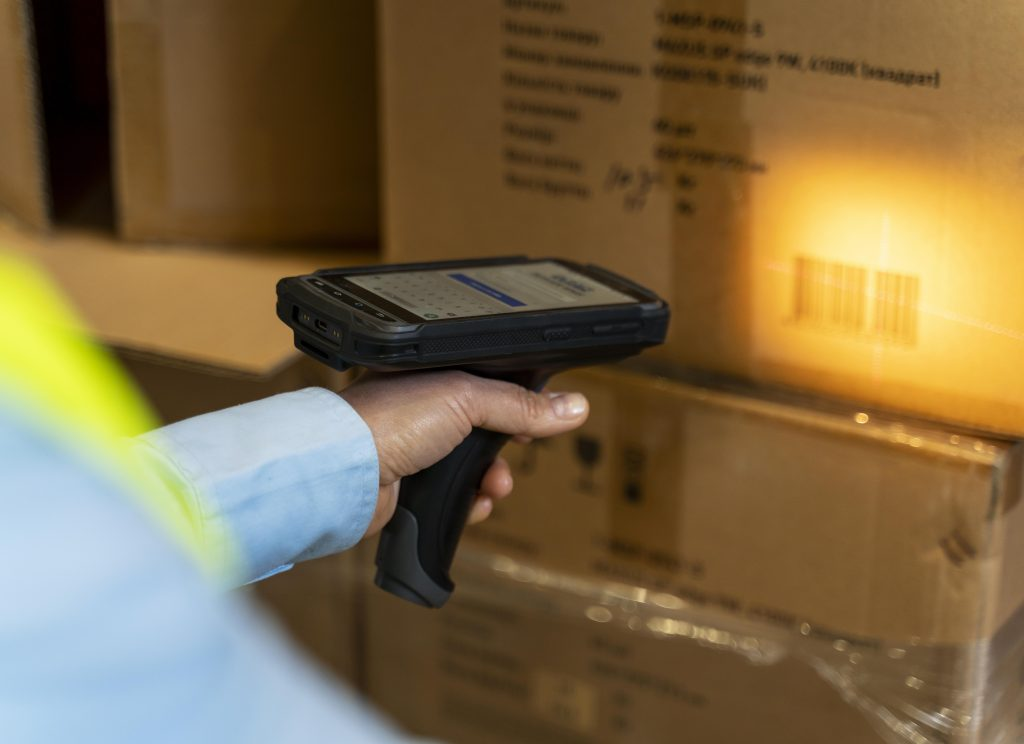
From common buying patterns, these categories benefit most from Inspection:
- Clothing and shoes (size charts, colorways, sizing labels)
- Bags and accessories (hardware, stitching, lining details)
- Electronics (plug type, model version, missing cables)
- Home goods (dimensions, surface defects)
- Parts (compatibility, connector types, model numbers)
If a product has many variants, Product Inspection becomes more valuable.
3. What should a simple Product Inspection checklist include?
You don't need a complicated system. You need consistent checks.
3.1 What are the "must-check" items?
Here's a clean checklist I use:
- Variant confirmation
- model/edition
- size
- color
- bundle contents
- Key measurements (only when size matters)
- length/width/height
- strap drop, belt length, insole length for shoes
- Condition check
- obvious scratches, stains, dents
- stitching straightness and loose threads
- alignment (logos, prints, hardware position)
- Accessories check
- cables, straps, adapters, spare parts
- anything the listing says is included
This level of Inspection catches most real-world problems.
3.2 When should you do basic function testing?

Function checks matter when the item can "look fine" but still fail.
Examples:
- devices that should power on
- items with buttons, switches, or displays
- zippers, clasps, hinges, folding parts
Not every product can be fully tested in a warehouse, but basic checks still reduce risk.
4. What proof should Product Inspection produce?
Inspection is only useful when it produces evidence. If something is wrong, photos or short video clips make the next step easier.
4.1 Which photos are actually useful?
A strong Inspection photo set usually includes:
- full front/back views
- close-ups of labels, model numbers, key details
- accessories laid out clearly
- any defect area in good lighting
- packaging if it matters to you
4.2 When is video worth adding?
Video helps when motion matters:
- zipper runs
- power-on
- button presses
- latch/hinge movement
A short clip can save a lot of back-and-forth later.
5. What happens when Product Inspection finds a problem?
Catching issues early gives you more options. Once an international shipment starts, changes get harder.
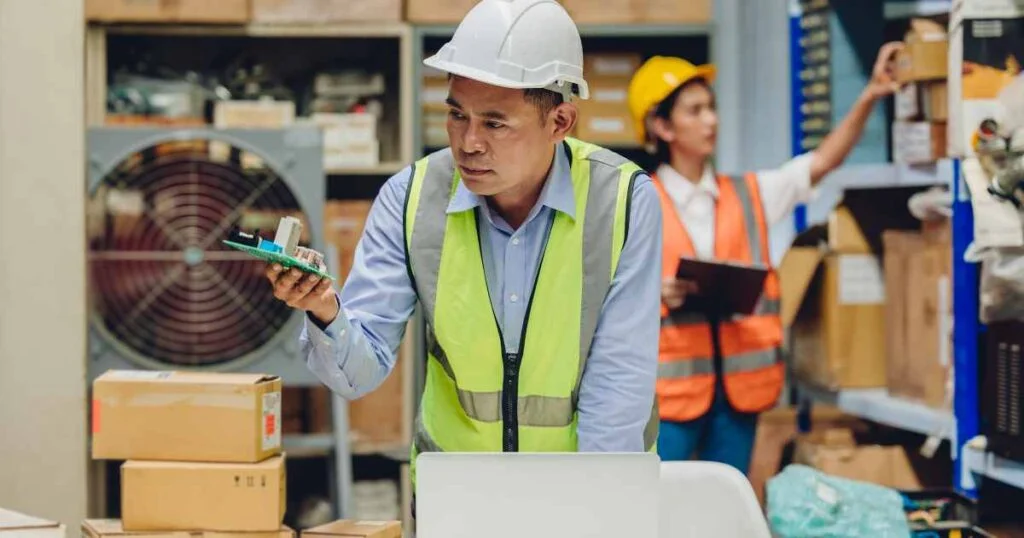
5.1 What can you do before shipping?
Common actions look like this:
- ask the seller to replace the item
- correct the variant (re-pick the right option)
- do a re-check after replacement
- cancel if the correct item isn't available
- hold shipping until all items pass Product Inspection
This is why Inspection is so practical for cross-border buying.
6. Who should handle Product Inspection if you're overseas?
If you buy directly, you're relying on each seller's internal checks, and that varies a lot. If you buy from multiple marketplaces and multiple sellers, consistency becomes the real challenge.
This is where a proxy buying service can help. In the middle of the order flow, Inspection becomes a standard step instead of "maybe the seller checked."
6.1 What's different when an agent manages Product Inspection?
From my experience, the biggest difference is standardization:
- one checklist across different sellers
- consistent photo evidence
- clearer decisions before shipping
- easier consolidation when buying multiple items
7. KongfuMall and Product Inspection for global proxy buying
KongfuMall supports global buyers who want proxy purchasing from China across multiple platforms. China mainland marketplaces cover a massive range of goods, and in practice, if it's available for purchase in mainland China, we can usually help proxy buy it.
That wide selection is exactly why Inspection matters. Items come from different sellers, and buyers need a reliable checkpoint that confirms:
- the received item matches the chosen variant
- the condition is acceptable
- accessories are complete
- any visible issues are documented before shipping
Outside the intro and conclusion, I'll say it plainly: I trust a buying flow more when Inspection is built in, because it turns uncertainty into proof.
8. FAQs buyers actually care about

8.1 "Is Product Inspection only for business orders?"
No. Even a single personal order can benefit when the product has variants, fragile materials, or high mismatch risk.
8.2 "What if the listing photos look perfect?"
Listing photos show the best version. it shows the specific unit that will be shipped.
8.3 "Do I need inspection for every item?"
Not always. Low-risk items with few variants may be fine. But if you care about exact size, model, or condition, it is worth adding.
8.4 "What's the simplest inspection that still works?"
At minimum: variant confirmation + clear photos of key details + accessory check. That basic Product Inspection already prevents many issues.
Conclusion
Product Inspection matters because it reduces the most common cross-border risks: wrong variant, missing accessories, and avoidable condition issues. It verifies accuracy first, then checks condition and completeness, using clear photo or video evidence. That simple step helps buyers avoid surprises after delivery and keeps the buying process predictable when sourcing from China.
If you want proxy purchasing from China platforms with a consistent Product Inspection step for global orders, you can use KongfuMall. https://www.KongfuMall.com.