Low-Cost Shipping from China to Southeast Asia: Why It's More Efficient

Low-cost Shipping between China and Southeast Asia is not simply a matter of choosing the cheapest carrier. It is the result of geography, dense trade routes, mature logistics infrastructure, and operational flexibility that reduce friction across every shipping stage.
This article explains why Low-Cost Shipping works more efficiently on this corridor, how the system is structured in practice, and what businesses and individual buyers should understand when planning shipments.
Table of Contents
1. Why Is Low-Cost Shipping More Efficient to Southeast Asia?
1.1 What Makes This Trade Lane Structurally Different?
Shipping efficiency is shaped by distance, volume, and route maturity. China–Southeast Asia trade benefits from all three. Key structural advantages include:
- Short physical distance
- High-frequency cargo movement
- Long-established commercial relationships
These factors compress transit time and lower operational risk, which directly support Low-Cost Shipping models.
1.2 Does Shorter Distance Really Reduce Total Cost?
Yes, but not only because of fuel savings. Short routes reduce the number of handling steps, which often cost more than the transportation itself. Fewer steps usually mean:
- Less warehouse dwell time
- Fewer transfer errors
- Lower probability of customs delay
This makes the entire shipping chain more predictable.
2. How Geography Shapes Low-Cost Shipping Routes
2.1 Why Regional Proximity Matters in Practice
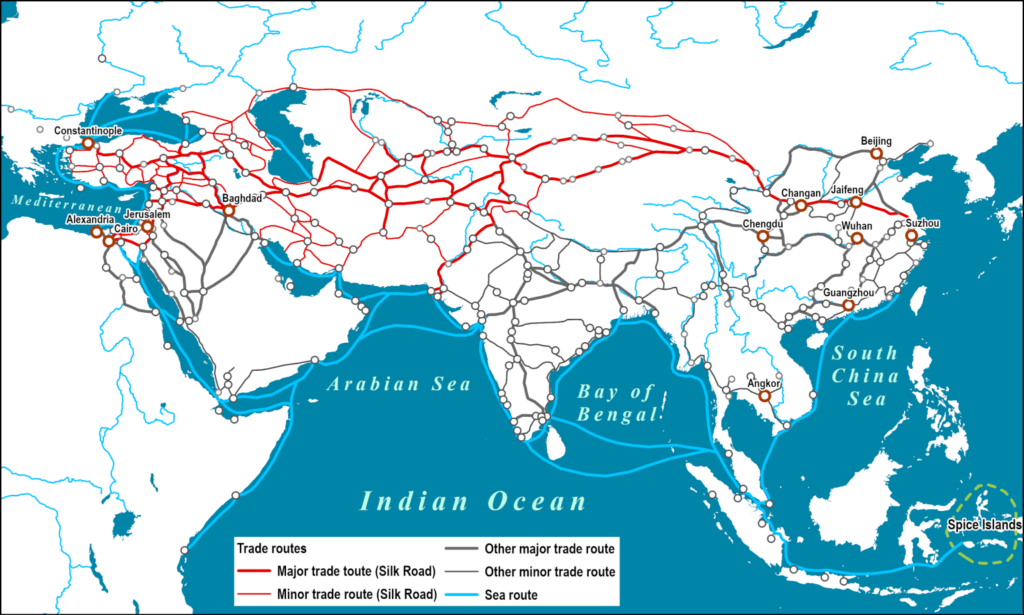
Geographic proximity allows logistics providers to design direct or semi-direct routes rather than multi-stop global paths. In real operations, this enables:
- Point-to-point trucking for nearby destinations
- Short-haul sea freight instead of transoceanic Shipping
- Flexible air cargo consolidation
All of these reduce hidden costs that usually inflate international Shipping.
2.2 How Regional Sea Lanes Improve Stability
Southeast Asian sea lanes are among the busiest in the world. High traffic means routes are well-tested and rarely disrupted. Operational benefits include:
- Fixed sailing schedules
- Multiple backup ports
- Predictable seasonal patterns
This stability is essential for reliable Low-Cost Shipping.
3. Why Volume Density Lowers Shipping Costs
3.1 How High Trade Volume Creates Cost Efficiency
China exports massive volumes of goods to Southeast Asia every day. High volume allows logistics operators to spread fixed costs across more shipments.
As a result:
- Container space is rarely underutilized
- Consolidation happens naturally
- Per-unit handling cost declines
This is one of the strongest reasons Low-Cost Shipping is sustainable in this region.
3.2 Why Consolidation Works Better Here Than Elsewhere
In lower-volume routes, consolidation takes time. In Southeast Asia lanes, consolidation is continuous.
That means:
- Faster departure readiness
- Less waiting for load completion
- More frequent dispatch cycles
Efficiency improves without sacrificing delivery rhythm.
4. What Role Do Multiple Transport Modes Play?
4.1 Why Multimodal Shipping Is Easier in Southeast Asia
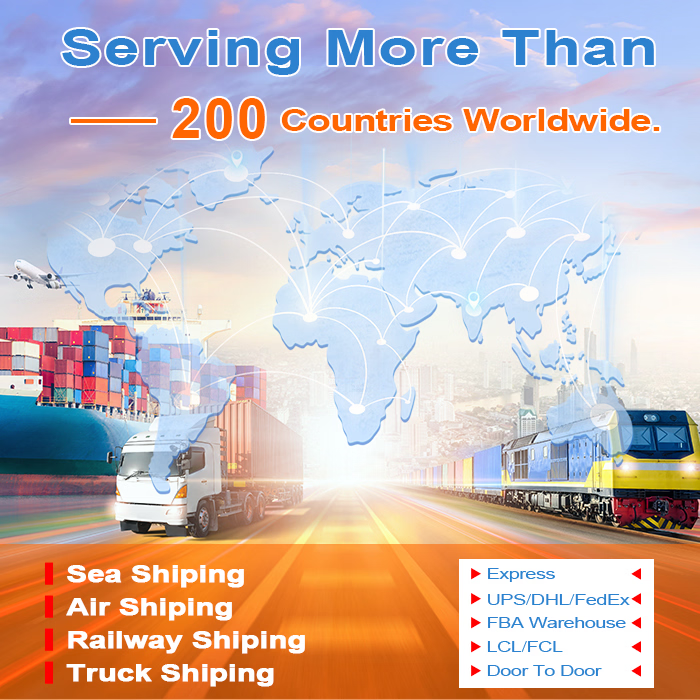
Low-cost Shipping thrives when logistics networks can efficiently mix transport modes. Common combinations include:
- Truck + short sea
- Truck + regional air
- Sea + last-mile trucking
These options exist because infrastructure on both sides is mature and interconnected.
4.2 How Mode Flexibility Reduces Risk
When one mode faces disruption, another can often replace it quickly. This flexibility prevents cost spikes caused by rerouting through distant hubs. In practice, this means:
- Fewer emergency surcharges
- More stable delivery timelines
- Lower planning uncertainty
5. How Customs Processes Affect Shipping Efficiency
5.1 Are Customs Procedures Simpler in This Region?
While regulations still exist, procedural familiarity plays a significant role. Customs authorities on both sides frequently handle similar goods.
That familiarity leads to:
- Faster document verification
- Lower inspection frequency for standard goods
- Predictable clearance timelines
These factors quietly support Low-Cost Shipping.
5.2 Why Predictability Matters More Than Speed
Fast clearance is helpful, but predictable clearance is essential. Uncertainty forces logistics providers to buffer time and cost.
Predictable customs processes allow:
- Tighter delivery windows
- Leaner inventory planning
- Fewer storage charges
6. How Warehousing and Consolidation Reduce Cost
6.1 Why South China Warehouses Are Strategic
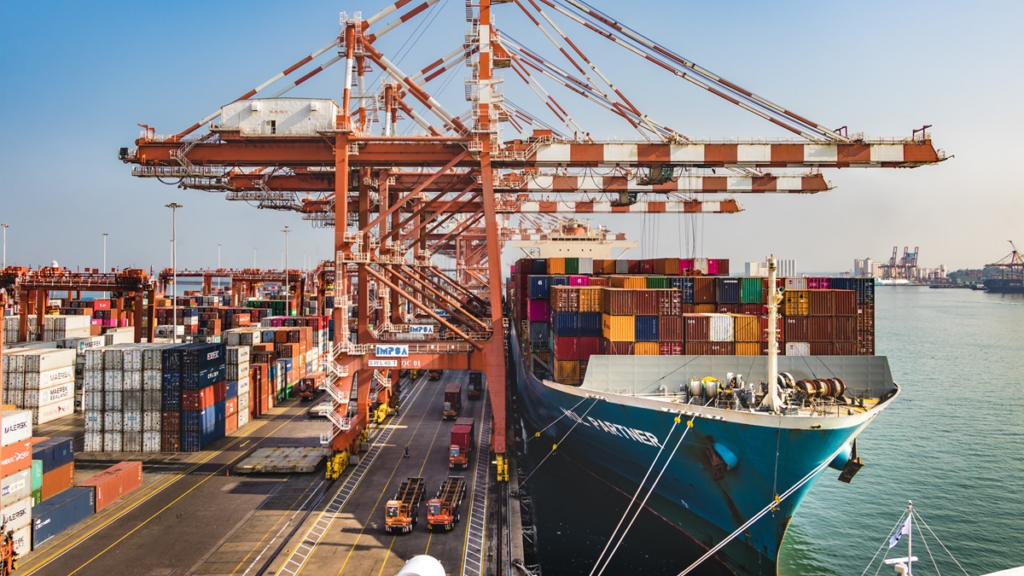
Major export hubs in southern China are situated near ports, airports, and borders. This concentration minimizes internal transport before international Shipping.
Operational advantages include:
- Short inbound transit
- Rapid sorting and packing
- Same-day consolidation capability
These efficiencies compound across high-volume shipments.
6.2 How Cross-Border Warehousing Supports Low-Cost Shipping
Some logistics models place warehouses near the borders of their destinations. This allows bulk transport followed by local distribution.
Benefits include:
- Lower long-haul complexity
- Faster last-mile delivery
- Reduced cross-border paperwork per parcel
7. What Buyers Experience in Real Operations

7.1 Is Low-Cost Shipping Reliable for Daily Orders?
From operational experience, yes. Consistency comes from repetition and scale. In day-to-day use, buyers often notice:
- Stable transit windows
- Fewer tracking gaps
- Less need for manual intervention
These outcomes reflect system maturity rather than individual carrier performance.
7.2 Does Lower Cost Mean Lower Control?
Not necessarily. In many cases, control improves because processes are standardized. Clear workflows allow:
- Better shipment visibility
- Easier exception handling
- Faster issue resolution
Low-Cost Shipping does not automatically imply lower service quality.
8. How Businesses Use This Efficiency Strategically
8.1 Why Small Businesses Benefit the Most
Lower entry barriers enable smaller sellers to operate cross-border without the need for complex logistics teams. They gain:
- Predictable fulfillment
- Lower operational overhead
- Scalable shipping models
This levels the playing field with larger competitors.
8.2 How Larger Operations Optimize at Scale
High-volume shippers use the same routes but optimize frequency and batching. Typical strategies include:
- Scheduled dispatch cycles
- Fixed consolidation windows
- Regional inventory buffering
Efficiency grows with repetition.
9. What Limits Still Exist in Low-Cost Shipping

9.1 Are There Situations Where Efficiency Drops?
Yes. Peak seasons, regulatory changes, or infrastructure disruptions can still affect performance. However, impact is often limited because:
- Alternative routes exist
- Multiple carriers serve the same lanes
- Volume recovers quickly
9.2 Why Understanding the System Matters
Buyers who understand how the system works make better decisions. They plan lead time realistically and avoid unnecessary urgency. This knowledge protects both cost and delivery stability.
Conclusion
Low-cost Shipping from China to Southeast Asia is efficient because the system is designed for repetition, proximity, and scale. Short distances, dense trade volume, multimodal flexibility, and predictable customs processes work together to reduce friction across the logistics chain.
Understanding these structural advantages helps buyers and businesses use the system intelligently rather than reactively. For those managing cross-border orders, sourcing, or fulfillment, this corridor remains one of the most operationally efficient in global trade. To explore practical shipping solutions and structured logistics support, visit KongfuMall.