Common Mistakes When Shopping on Chinese Marketplaces

Shopping on Chinese marketplaces opens up a vast array of products, direct access to factory sources, and unique items that are often difficult to find outside of China. However, many buyers face challenges due to the stark differences in how these platforms operate compared to Western online stores. From language barriers to varying shipping practices, these factors can lead to misunderstandings and unmet expectations.
In this comprehensive guide, we will examine the most common pitfalls that frequently lead to incorrect orders, prolonged delays, and wasted efforts. We will not only identify these issues but also provide practical, step-by-step advice to help you navigate the complexities of shopping on these platforms. By arming yourself with this knowledge, you can enhance your online shopping experience and make more informed purchasing decisions, ensuring that you get the best value and quality from your orders.

1. Misunderstanding product listings and images
The first mistake in Shopping on Chinese Marketplaces is trusting photos without checking details. Images often highlight best-case scenarios rather than everyday reality.
Product titles may prioritize ranking keywords over accuracy. Some photos show accessories or packaging that are not included unless chosen manually.
Typical mistakes include:
- Ignoring size charts
- Skipping the full description
- Assuming all items in the photos are included
- Missing options hidden in dropdown menus
Example:
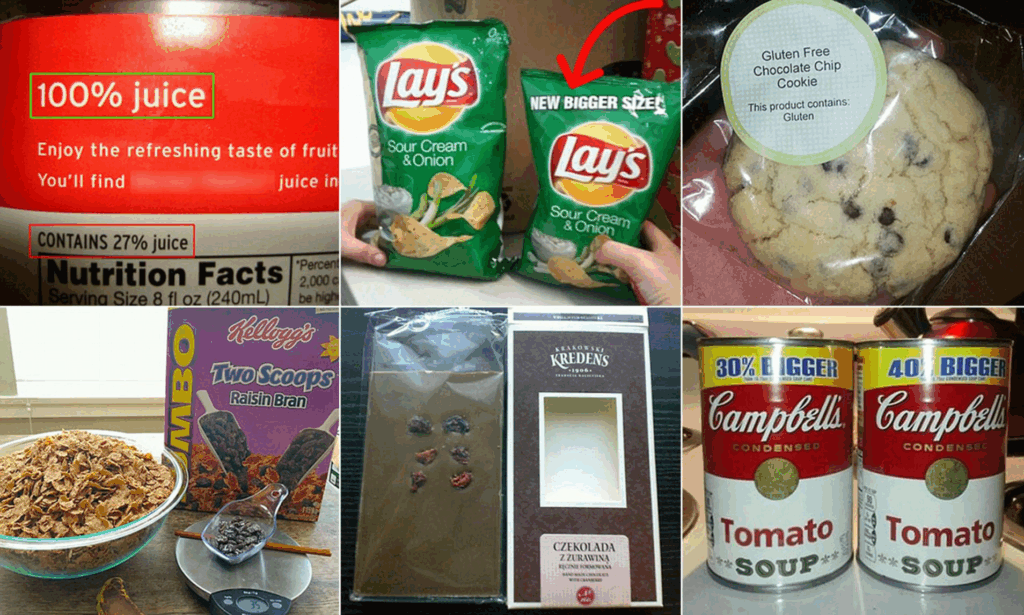
A buyer relied on front-label claims instead of checking the fine print. One product claimed "100% juice" on the front, but clearly stated "contains 27% juice" in the nutrition panel. Another item was labeled "Gluten Free," while the ingredients list openly included gluten. A snack bag advertised "New Bigger Size," yet the package was nearly identical to the old version. In another case, the packaging showed a whole chocolate bar, but inside was only a thin wrapper with a few pieces.
The buyer trusted the headlines and product images, ignoring the detailed information printed on the package.
Lesson:
Always confirm material, size, and structure in the description. Never rely only on product photos.
So, reading every variant and specification is safer than relying on the main image.
2. Buying from unknown sellers without verification
Not all sellers offer the same level of quality or reliability.
Each platform hosts thousands of independent stores. Some have years of reliable trading history. Others may have just opened.
Before ordering, experienced buyers check:
- Store operating history
- Customer feedback patterns
- Buyer-uploaded images
- Complaint frequency
- Response behavior

Example:
A buyer ordered from a new store offering a popular product at an unusually low price. Days later, the store disappeared, and the order was canceled. The refund process took more than a week.
Lesson:
Extremely low prices from new stores often signal high risk.
A store with steady activity and repeated positive feedback usually signals lower risk.
3. Confusion about options, sizes, and measurements
Shopping on Chinese Marketplaces often involves unfamiliar sizing systems.
Two items that appear identical may differ in material, size, or function due to a single option.
Common misunderstandings include:
- Selecting images instead of actual variants
- Misreading converted measurements
- Assuming default options match expectations
Example:
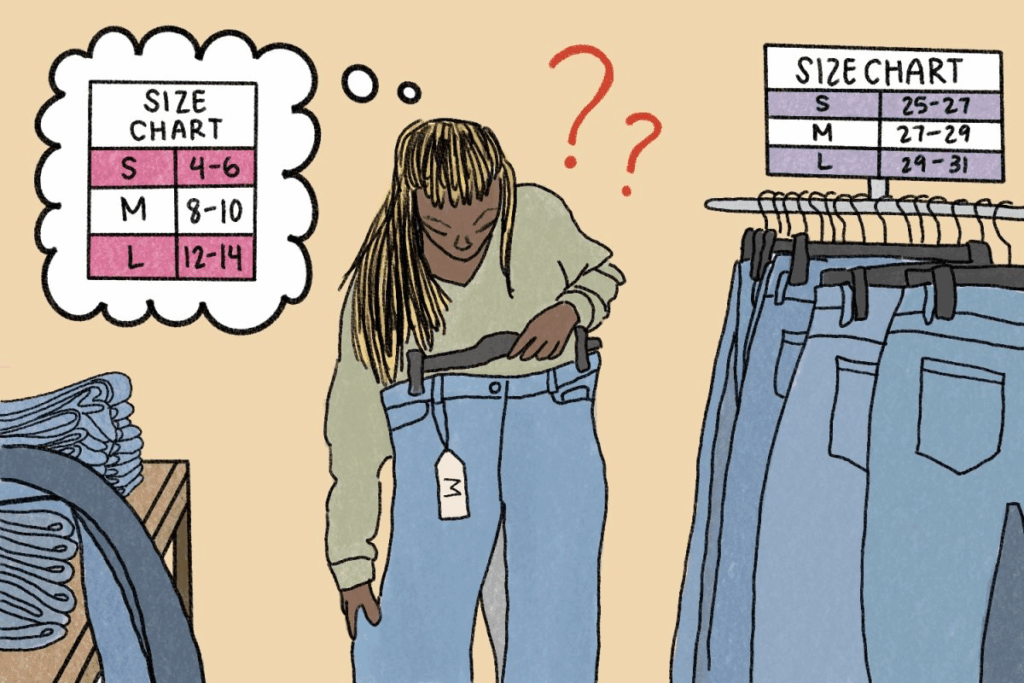
A buyer ordered clothing based on "L size" shown in images without checking the size chart. The delivered item was much smaller than expected because the platform used different sizing standards.
Lesson:
Always compare listed measurements with items you already own.
Comparing listed dimensions with objects you already own helps avoid surprises.
4. Communication problems with sellers
Language differences often confuse.
Automated translation can alter meaning. Replies may feel brief or indirect.
Better results come from:
- Short, clear messages
- One question per message
- Requesting photos or screenshots
- Avoiding slang and local expressions

Example:
A buyer asked if a product included a power adapter. The seller replied, "Standard version, no battery." The buyer assumed it meant no extra battery, but the item arrived without power support at all.
Lesson:
If something matters, confirm it twice and request photos when necessary.
Response time also depends on time zones and workload. A delay does not always mean poor service.
5. Underestimating shipping and export complexity
Shipping remains one of the biggest challenges in Shopping on Chinese Marketplaces.
Many sellers only ship domestically. Cross-border tracking may update slowly.
Common shipping concerns:
- Tracking pauses for several days
- Orders are split into multiple parcels
- Certain items are restricted from export
- Unexpected route changes

Example:
A buyer saw "shipped" status but no tracking updates for four days. In reality, the order had been divided into three parcels shipped from different warehouses.
Lesson:
International shipping from China often involves multiple legs and delays that are normal, but can be confusing without prior experience.
These are normal for international logistics, but can be confusing without proper preparation.
6. Ignoring platform rules and checkout limits
Most Chinese marketplaces are built for domestic users.
International buyers may face:
- Local phone number requirements
- Identity verification barriers
- Payment methods restricted to China
- App-only checkout processes
Example:
A buyer completed payment but had the order frozen due to missing identity verification. The platform required domestic information to proceed.
Lesson:
Many platforms are not built for overseas buyers to complete purchases independently.
These obstacles stop many buyers before an order is completed.
7. Trying to manage everything without local assistance
The final mistake is trying to handle everything alone.
Shopping on Chinese Marketplaces involves language issues, limited payment access, and shipping restrictions.
Our service exists to bridge that gap.
We help buyers worldwide place orders on Chinese platforms that do not support international users directly. Any product sold inside mainland China can be purchased, verified, and shipped through us.
Our support includes:
- Placing orders with sellers
- Handling communication in Chinese
- Verifying product details
- Consolidating packages
- Organizing international delivery

Example:
A buyer attempted to confirm configuration details with several sellers but received unclear technical replies. After using a sourcing service, the exact specifications were finally confirmed with photos on the same day.
Lesson:
Language and location barriers directly affect purchase success.
With Black Friday coming, many buyers avoid common mistakes by using our service to access Chinese marketplaces safely and efficiently.
Conclusion
Shopping on Chinese Marketplaces becomes much simpler once you understand the standard pitfalls. Common issues arise from misinterpreting product listings, overlooking seller reputations, getting sizes wrong, and underestimating shipping costs. All products available within mainland China can be conveniently sourced through KongfuMall, which also offers global support and assistance with deliveries.