Three Hidden Cost Traps in International Package Forwarding

International package forwarding may seem simple: place an order, ship it, and wait for delivery. However, many overseas buyers discover that this "seemingly easy" path is actually full of avoidable risks. These hidden issues can quietly increase overall costs, delay Shipping, and even lead to cross-border disputes that are difficult to resolve remotely. This article focuses on the three most common hidden traps in international package forwarding and explains how to avoid them before ordering, during packing, and throughout Transit.
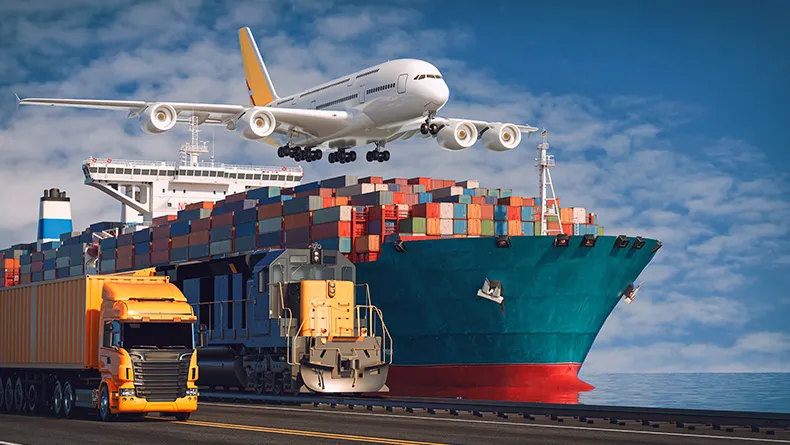
1. International Package Forwarding Becomes More Expensive After Checkout
Hidden fees often don't appear up front. They typically emerge at key moments: after checkout, during warehouse packing, or right before dispatch. The most common issue is "hidden cost stacking" – small fees that seem minor but accumulate across multiple packages, resulting in a total cost that is much higher than expected.
1.1 How Repackaging Drives Up Total Costs
Repackaging is meant to ensure safe Transit, but adjustments made by the warehouse directly impact charged dimensions and handling costs.
Common triggers include:
- Oversized outer boxes
- "Just-in-case" extra padding
- Mixed materials are complicating handling
- Special crates for fragile items
Each adjustment has operational reasons, but the result is often higher shipping fees and delays.
Best practice: Request final box dimensions before billing and establish clear packing guidelines to minimize unnecessary materials while ensuring safety and security.
1.2 Why Consolidation Can Sometimes Cost More
The goal of package consolidation is to simplify processes and reduce costs, but without proper planning, it can backfire.
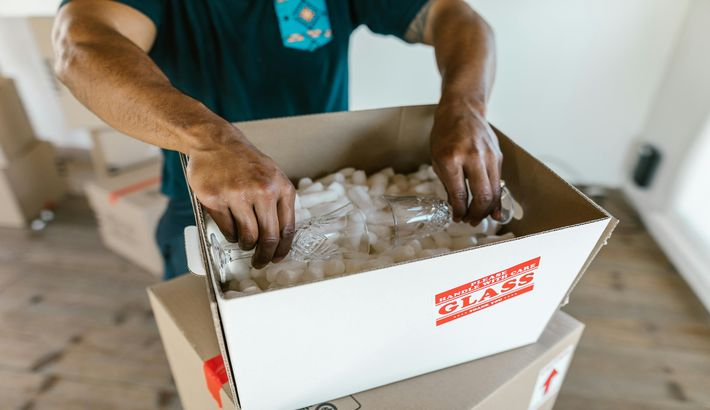
Watch out for:
- Mixing heavy and light items
- Placing rigid boxes into huge outer cartons
- Combining fragile and high-density goods
A better approach is to Group items by weight and fragility. Consolidate light items, pack heavy items compactly, and protect fragile goods separately.
1.3 Where Do Handling Fees Come From?
So-called "handling fees" are typically associated with warehouse operations.
Common items include:
- Manual repacking
- Protective filling
- Labeling and documentation
- Sorting and temporary storage
Reliable solution: Request an itemized list of operations before confirmation and dispute unnecessary items to keep costs under control.
2. International Package Forwarding Slows Down or Becomes Chaotic
The second major issue is "logistical ambiguity." A package may show as shipped but not actually be in Transit.
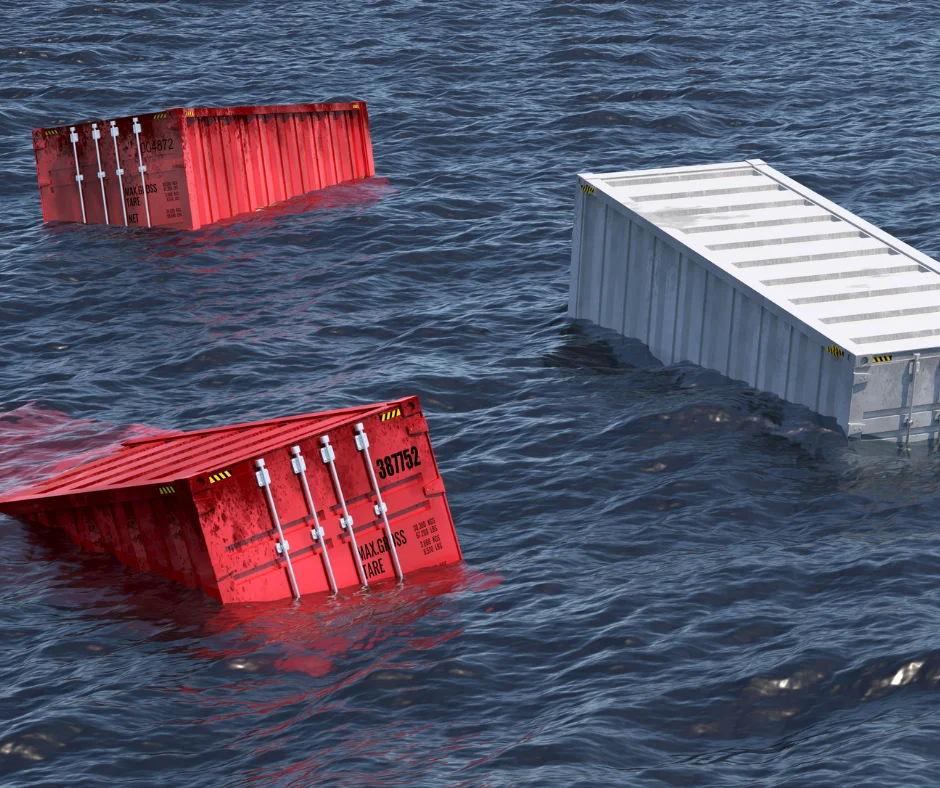
2.1 Why "Shipped" Doesn't Always Mean "On the Way."
Some systems update the status to "shipped" when the package leaves the warehouse, even if the carrier has not yet accepted it.
Solution: Request handover timestamps and carrier details to turn vague statuses into verifiable steps.
2.2 Why Tracking Can Suddenly Disappear
Most international forwarding involves multiple carriers, leading to gaps in tracking during handoffs.
Warning signs:
- No updates for several days
- Tracking number not recognized in the destination country
- Unusual route jumps
Preemptive step: Obtain tracking links for different carrier systems in advance to avoid information blackouts.
2.3 Why Estimated Delivery Times Keep Changing
Delays are often the result of multiple overlapping factors.
Common causes:
- Missed flight cut-offs
- Documentation issues
- Transit hub congestion
- Weather disruptions
Better than promises: Choose services that offer transparent routing over fixed delivery guarantees.
3. Quality Risks in International Package Forwarding
The third trap is the "quality blind spot." You pay for items you've never seen.
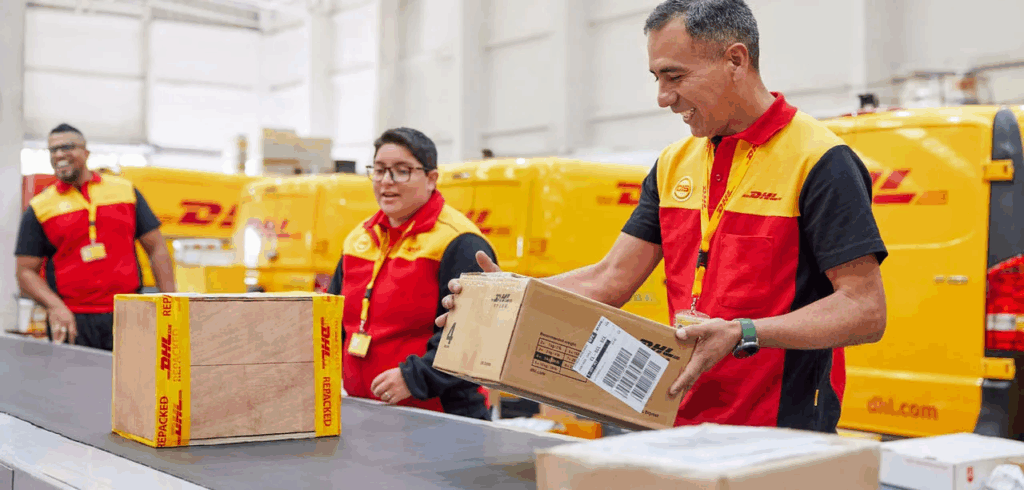
3.1 How Do Incorrect Shipments Happen?
Without checks, errors slip through:
- Wrong color
- Incorrect size
- Missing accessories
- Wrong model
Essential step: Request photo verification before packing.
3.2 Can Sealed Packages Be Trusted?
A sealed carton indicates efficiency, not accuracy. For multi-item or custom orders: Opt for pre-shipment inspection.
3.3 Why Are Cross-Border Returns So Costly?
Distance magnifies every mistake. The most effective approach is to resolve issues before the package leaves the warehouse.
4. Who Should Be Most Careful with International Package Forwarding?
Different buyers face different challenges.

4.1 Overseas Individual Buyers
Common frustrations:
- Unclear fees
- Shipping delays
- Receiving wrong items
Solution: Clear and open processes designed to alleviate anxiety and foster a sense of calm and assurance.
4.2 E-commerce Sellers
Online businesses rely heavily on speed and reliability.
A stable forwarding service means:
- Predictable supply rhythm
- Smoother customer service communication
- Lower fulfillment risks
4.3 Group Purchase Customers
Bulk orders multiply risks.
Effective forwarding provides:
- Logical consolidation
- Packaging confirmation
- Visible tracking
5. How KongfuMall Establishes a Secure Forwarding Process
5.1 Before Ordering
- Set packing requirements
- Plan consolidation logic
- Determine inspection level
5.2 Upon Warehouse Arrival
- Photo inspection
- Packaging confirmation
- Order verification
5.3 Before Shipping
- Route confirmation
- Carrier verification
- Tracking setup check
5.4 During Transit
- Progress monitoring
- Anomaly detection
- Timely issue resolution
6. The Importance of Integrated China Sourcing and International Forwarding

Separating purchasing and forwarding often leads to blame-shifting and delays.
KongfuMall provides centralized sourcing and logistics services for global buyers. Items available in mainland China can be purchased, inspected, packed, and shipped within the same system. With a unified process, international package forwarding is no longer chaotic.
7. Proactive Avoidance: Three Key Steps Before Shipping
You can take control and avoid most hidden issues by following three simple steps before your package enters international Transit.
Communicate Requirements Clearly
Provide your forwarding warehouse with clear written instructions right after placing your order, such as "use minimal packaging," "consolidate lightweight items only," or "handle fragile items separately." This sets expectations from the start and reduces unnecessary operations and costs.
Always Insist on Pre-Shipment Confirmation
Insist on "warehouse inspection" and "post-packing confirmation" before Shipping. Review actual photos of the items to verify accuracy, and confirm the final package dimensions and weight before paying for Shipping. This is the core step to prevent incorrect shipments and cost overruns.
Plan Your Shipping Strategically
Select different shipping solutions based on item characteristics, rather than consolidating everything. For example, shipping heavy items by sea and lightweight or urgent items by air separately can optimize both total cost and delivery time.
Conclusion
International package forwarding is not just logistics-it's cross-border operational management. Hidden costs often lurk in packaging, logistical gaps, and inadequate inspection. Only by eliminating blind spots does forwarding become truly controllable. To experience an integrated process for purchasing and Shipping from mainland China, visit KongfuMall to get started.