Factory-Direct Pricing vs Wholesale Markups: How Should Overseas Merchants Choose?

Overseas merchants often struggle to choose between factory-direct pricing and traditional wholesale markups. The difference impacts cost structure, product control, brand development, and long-term scalability. Understanding how these two sourcing paths operate helps merchants avoid uncertainty and make decisions aligned with their growth stage. This article examines the fundamental factors that influence the choice and explains how factory-direct pricing for overseas buyers changes the overall competitiveness of a business.
Table of Contents
1. What Makes Factory-Direct Pricing Different From Wholesale Markups?
Factory-direct pricing for overseas buyers eliminates the need for a middleman, providing a more direct and cost-effective approach. Merchants communicate directly with manufacturers rather than resellers. This structure alters how control, transparency, and product planning operate within a supply chain. Wholesale markups, by contrast, bundle sourcing and logistics into a simplified but less flexible package.
1.1 How Does the Supply Chain Structure Change Under Each Model?
When a merchant works with a factory, the communication chain is shorter. Decisions on materials, specifications, and packaging are made more quickly. Inventory planning becomes more predictable because information is sourced directly from the production source.
With wholesalers, the merchant receives a product that is ready to sell. The process is more straightforward, but visibility is limited. Lead times depend on the wholesaler's own inventory cycles rather than manufacturing capacity. This can create uncertainty when demand increases.
1.2 Why Does Transparency Matter for Overseas Merchants?
Transparency determines how effectively a merchant can plan restocking. Under factory-direct pricing for overseas buyers, communication accuracy improves because the factory has exact knowledge of production timelines. Wholesalers may not provide the same depth of detail, which affects forecasting.
2. How Do Cost Structures Differ Between the Two Sourcing Models?
The cost structure reflects the number of layers that sit between the merchant and the product. The fewer the layers, the more control a merchant gains. Factory-direct pricing for overseas buyers simplifies that structure, while wholesale markups add intermediary profit.
2.1 What Factors Influence Cost Beyond the Product Itself?
Merchants often focus on the per-unit cost but overlook structural differences such as:
- Production planning
- Inventory flexibility
- Packaging decisions
- Minimum order requirements
- Customization capability
Factories adjust production based on direct instructions. Wholesalers adjust their operations based on market demand, rather than individual merchant requirements.
2.2 How Do Hidden Costs Shape the Final Outcome?
Hidden costs often appear in wholesale channels due to markups, handling, or packaging constraints. With factory-direct pricing for overseas buyers, hidden costs decrease because production decisions become predictable. This structure supports long-term planning and maintains stable cost variables.
3. Which Option Offers Better Product Control and Customization?
Merchants seeking uniqueness often prioritize product control and customization to differentiate themselves from their competitors. Factory-direct pricing for overseas buyers supports deeper customization, as decisions are made at the production stage.

3.1 How Does Direct Communication Improve Product Accuracy?
Direct communication allows merchants to specify details like:
- Materials
- Logo application
- Packaging
- Color variations
- Function adjustments
This level of control is rarely achievable through wholesalers, who typically offer a fixed catalog of items.
3.2 Does Factory Access Lead to More Stable Quality?
Quality stability improves when manufacturers handle your order directly. Factories maintain consistent standards because they follow established production workflows. Wholesalers may source from multiple factories depending on availability, which can create inconsistency.
4. How Does Scalability Compare Between Factory-Direct and Wholesale?
Growth strategy is a key concern for overseas merchants. As order volume increases, sourcing needs shift from convenience to long-term sustainability.
4.1 Which Sourcing Path Supports Faster Scaling?
Factory-direct pricing for overseas buyers supports scaling, as merchants can influence production scheduling. Production can expand alongside market demand. Wholesale channels limit scalability because merchants often rely on existing inventory that may not align with demand cycles.
4.2 Why Does Long-Term Planning Matter More for Growing Brands?
Long-term planning reduces disruptions when demand increases. Factories provide projected production capacity, material availability, and possible adjustments. Wholesalers usually cannot offer these insights because they are downstream in the supply chain.
5. Which Sourcing Model Minimizes Risk for Overseas Merchants?
Risk management includes supply stability, product consistency, and communication reliability. Factory-direct pricing for overseas buyers improves visibility into production risks, while wholesale channels shift those risks onto merchants.
5.1 How Does Predictability Reduce Operational Risk?
Predictability improves when the merchant receives information from the production source. Timelines become accurate. Inventory delays decrease. Quality issues can be addressed before the shipment is made. Wholesale models hide these processes behind a reseller, creating risk when batches differ.
5.2 Does Direct Production Support Better Long-Term Stability?
Yes. Working with factories builds long-term collaboration. Merchants gain insight into material sourcing, production capacity, and seasonal cycles. Wholesale models lack these insights because they depend on fluctuating supply pools.
6. How Should Merchants Choose Between Factory-Direct Pricing and Wholesale Markups?
Both sourcing paths serve different merchant types. The decision depends on business goals, product complexity, and long-term expectations.
6.1 When Do Factory-Direct Options Become the Better Choice?
Factory-direct pricing for overseas buyers becomes preferable when:
- Branding and customization matter
- A merchant is scaling steadily
- Product quality must remain consistent
- Forecasting accuracy is essential
- Inventory planning requires visibility
Factories become partners rather than vendors. This supports product development and long-term differentiation.
6.2 When Does Wholesale Remain a Practical Option?
Wholesale still works for merchants who:
- Need products immediately
- Prefer low complexity
- Are we testing the market
- Operate in categories with fast turnover
The model is simple and requires minimal planning. However, flexibility and visibility are limited.
7. What Decision Framework Helps Overseas Merchants Evaluate Both Models?
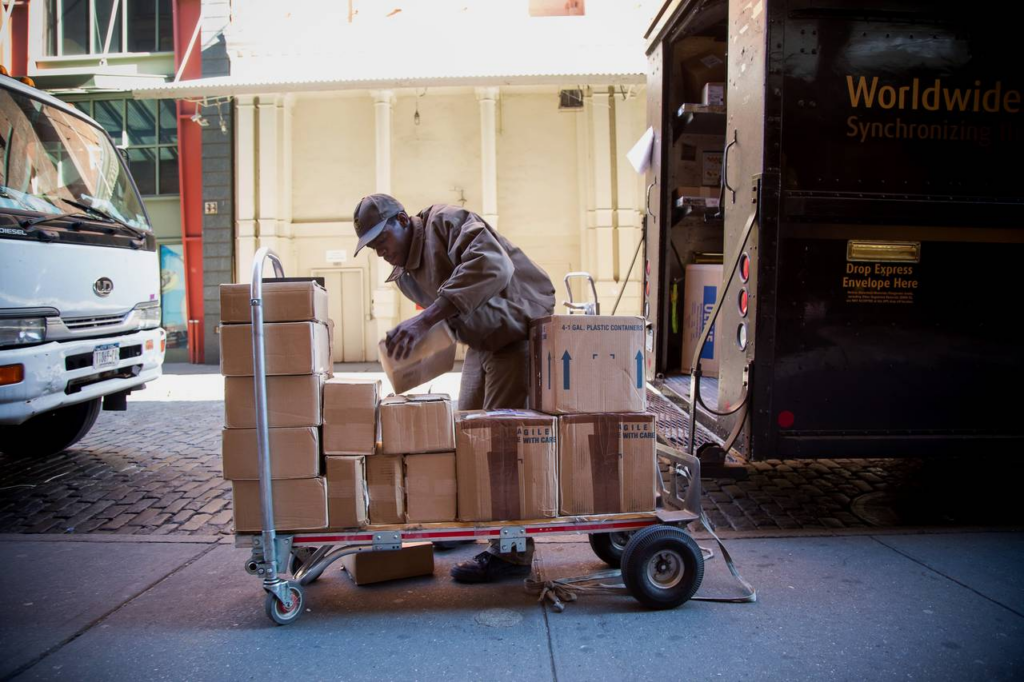
A structured decision process simplifies evaluation. Merchants can review sourcing needs using these questions:
7.1 What Level of Flexibility Is Required?
If customization or consistent quality is critical, factory-direct pricing for overseas buyers offers clear advantages.
7.2 How Much Visibility Do You Need Over Production?
If forecasting and scaling are priorities, factory communication becomes essential.
7.3 How Fast Must New Products Be Introduced?
Factories can adjust production quickly. Wholesalers depend on stock availability.
7.4 What Is the Long-Term Brand Strategy?
Merchants planning brand development benefit more from direct access to production.
Conclusion
Factory-direct pricing for overseas buyers provides greater control, enhanced visibility, improved product consistency, and long-term scalability. Wholesale markups, while convenient, limit flexibility and transparency. Merchants choosing between the two should base their decision on growth plans, customization needs, and long-term product strategy. When visibility and stability matter, factory-direct sourcing becomes the stronger path, supporting sustainable expansion and dependable supply.