How Shopify Sellers Source from China

Shopify Sellers Source from China because China offers unmatched manufacturing scale, product variety, and cost efficiency. For independent Shopify store owners, sourcing products from China is often the foundation for building a competitive product catalog and maintaining healthy profit margins. However, the process involves more than simply finding a supplier. Language barriers, payment limitations, quality control concerns, shipping complexity, and inventory management all play crucial roles in achieving long-term success.
This guide explains how Shopify sellers source from China in a structured and reliable manner, and how platforms like KongfuMall support this process.
Table of Contents
1. Why Shopify Sellers Source from China
China remains the primary sourcing destination for global e-commerce sellers due to its mature manufacturing ecosystem. From consumer electronics and fashion accessories to home goods and niche products, Chinese suppliers can produce at scale while maintaining flexibility for customization and private labeling.
For Shopify sellers, the key advantages include:
| Advantage | Why It Matters for Shopify Sellers |
|---|---|
| Large supplier base | Enables rapid product testing |
| Factory-level pricing | Improves profit margins |
| Flexible order quantities | Suitable for small and growing stores |
| Mature logistics network | Supports global fulfillment |
| Product customization | Helps build brand differentiation |
These benefits explain why Shopify Sellers Source from China at every stage of business growth, from early testing to large-scale operations.
2. Common Sourcing Channels Used by Shopify Sellers
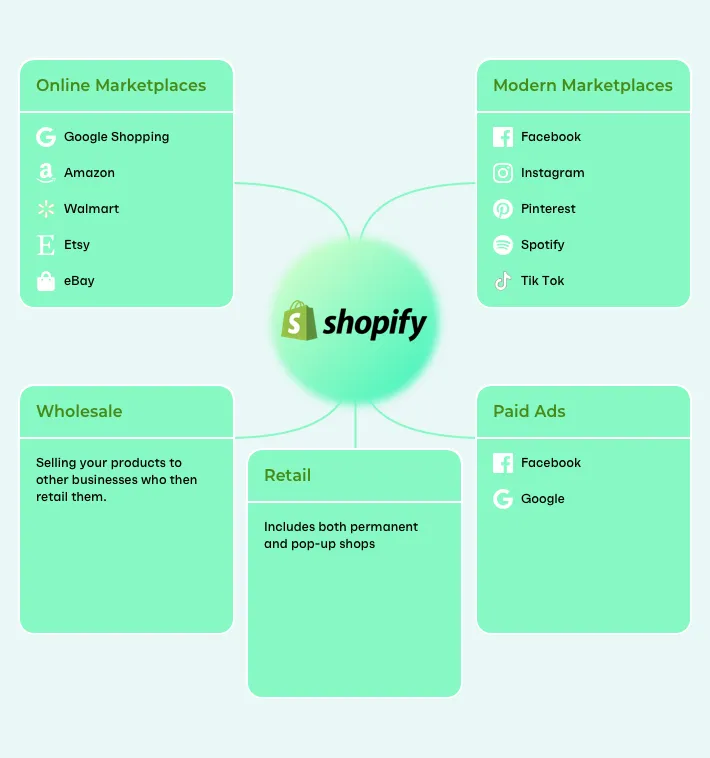
Shopify sellers typically rely on multiple sourcing channels rather than a single platform. Each channel serves a different purpose depending on order volume, speed, and business model.
2.1 Chinese Wholesale Platforms
Wholesale marketplaces allow sellers to compare prices, minimum order quantities, and supplier ratings. Sellers often use these platforms to validate product demand before committing to larger orders.
2.2 Factory-Direct Sourcing
More established Shopify stores prefer direct factory sourcing to reduce costs and control product specifications. This approach requires stronger communication and more precise production requirements.
2.3 Sourcing Through Buying Agent Platforms
Many sellers rely on professional sourcing platforms to manage communication, payment, inspection, and shipping. This method reduces operational risk, allowing sellers to focus on marketing and store optimization.
3. How Shopify Sellers Manage Communication and Orders
One of the biggest challenges in international sourcing is communication. Time zone differences and language barriers can slow down decision-making and increase errors. Shopify sellers address this by working with intermediaries who handle supplier communication in Chinese while keeping the seller informed in English.
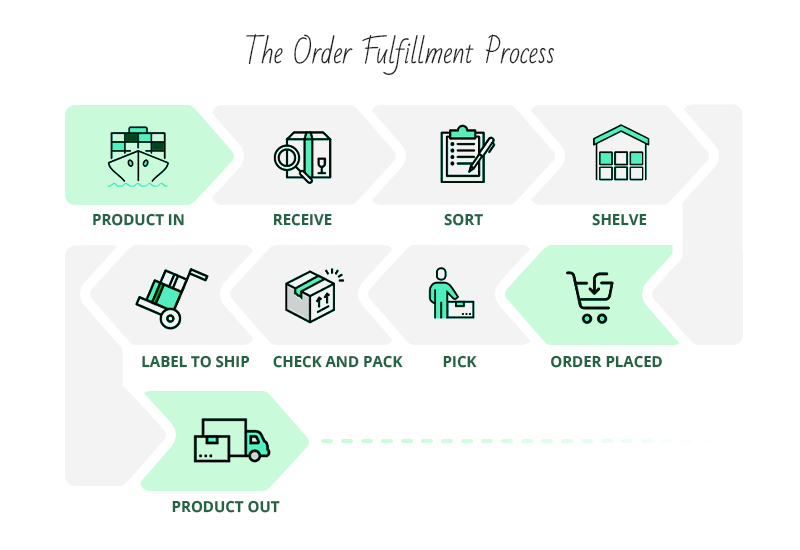
This structured communication approach ensures that product specifications, packaging requirements, and timelines are clearly understood before production begins. As a result, errors are minimized, and order accuracy improves.
4. Quality Control: A Critical Step in China Sourcing
Quality control is one of the primary reasons Shopify Sellers Source from China through structured systems, rather than making direct, unmanaged purchases. Product photos and listings may not always accurately reflect the actual production quality.
4.1 Pre-Shipment Inspection
Before products leave the warehouse, inspections verify quantity, appearance, and packaging. This step helps sellers avoid receiving incorrect or damaged goods.
According to international trade practices outlined by organizations such as the International Organization for Standardization, structured inspection processes significantly reduce post-delivery disputes and returns.
4.2 Photo Verification
Visual confirmation allows sellers to approve products remotely. This is especially important for branded packaging and customized items.
5. Shipping and Fulfillment Strategies for Shopify Sellers
Shipping strategy directly impacts customer satisfaction and store profitability. Shopify sellers typically choose between several fulfillment models.
5.1 Bulk Shipping to Local Warehouses
Sellers shipping large quantities often consolidate inventory and ship it to overseas warehouses. This enables faster domestic delivery to end customers.
5.2 Dropshipping Models
For testing products or managing low-inventory stores, sellers utilize dropshipping models, where items are shipped directly from China to customers. This reduces upfront investment but requires reliable logistics coordination.
5.3 Consolidation to Reduce Costs
Shipping multiple orders separately increases costs. Consolidating packages into a single shipment significantly lowers international shipping expenses.
| Shipping Method | Best Use Case |
|---|---|
| Consolidated freight | Medium to large inventory |
| Direct shipping | Product testing |
| Overseas warehouse | High-volume stores |
6. Payment Challenges and Solutions
Many Chinese suppliers do not accept international payment methods. This is a common obstacle for Shopify sellers who source products independently.
Professional sourcing platforms address this issue by accepting global payment methods and processing local payments on behalf of sellers. This simplifies accounting and reduces complications related to currency transactions.
7. How KongfuMall Supports Shopify Sellers
KongfuMall provides a structured sourcing environment designed for international e-commerce sellers. Instead of acting as a simple intermediary, the platform integrates sourcing, inspection, consolidation, and shipping into one workflow.
7.1 Unified Sourcing Dashboard
Shopify sellers can manage multiple product orders within a single system, reducing administrative workload and enhancing order tracking.
7.2 Inspection and Consolidation Services
KongfuMall offers photo inspection and package consolidation, helping sellers control quality while lowering shipping costs.
7.3 Flexible Shipping Options
Multiple shipping routes and carriers enable sellers to balance speed and cost according to their business needs.
These features explain why many Shopify Sellers Source from China using platforms that offer full operational support rather than fragmented services.
8. Risk Management for Shopify Sellers
Sourcing from China involves risks that must be actively managed and mitigated. Experienced sellers follow structured practices to protect their operations.
Key risk management strategies include:
- Verifying suppliers before large orders
- Using inspection services consistently
- Avoiding over-reliance on a single supplier
- Maintaining clear documentation for orders and shipments
These practices reduce disruptions and support long-term scalability.
9. Scaling a Shopify Store with China-Based Suppliers
As stores grow, sourcing requirements evolve. Small test orders often evolve into regular bulk shipments, and branding becomes increasingly essential. Shopify sellers who plan for scalability build strong supplier relationships and rely on systems that can handle higher volumes.
Structured platforms enable sellers to expand their product lines, shorten lead times, and maintain consistent quality standards as order volumes increase.
10. Why China Remains Central to Shopify Growth
Despite the growth of alternative manufacturing regions, China remains a central player in global e-commerce. Infrastructure maturity, supplier flexibility, and logistics efficiency continue to attract sellers worldwide.
For Shopify sellers aiming to stay competitive, China sourcing remains a core strategy supported by professional platforms and proven workflows.
Conclusion
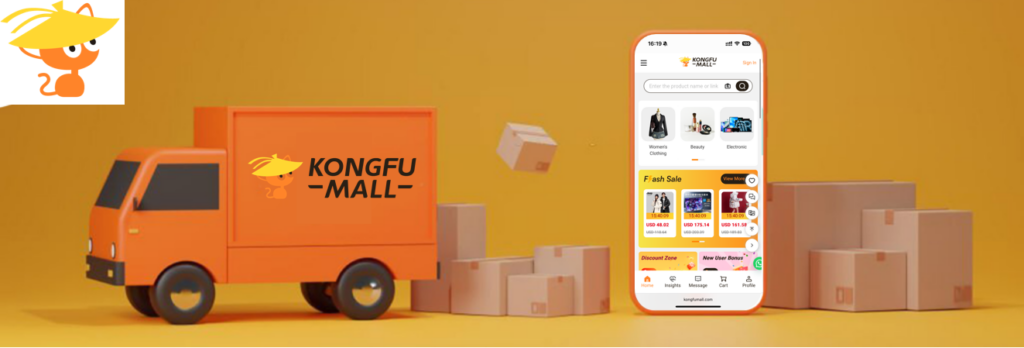
Shopify Sellers Source from China because it offers unmatched opportunities for product diversity, cost control, and scalability. However, success depends on more than access to suppliers. Effective communication, quality control, shipping strategy, and payment handling are essential. Platforms like KongfuMall supports Shopify sellers manage these complexities through integrated services that reduce risk and improve operational efficiency. With the right sourcing strategy, Shopify sellers can build sustainable, globally competitive businesses.
FAQ
Why do Shopify sellers source from China instead of other regions?
China offers a combination of manufacturing scale, supplier diversity, and cost efficiency that is difficult to match elsewhere.
Is it risky for Shopify sellers to source from China?
Risks exist, but structured sourcing, inspection, and logistics services significantly reduce them.
How can Shopify sellers ensure the quality of their products when sourcing from China?
Using pre-shipment inspection and photo verification helps confirm product quality before it is shipped.
Can Shopify sellers use one platform for sourcing and shipping?
Yes. Integrated platforms like KongfuMall provide sourcing, inspection, consolidation, and shipping in one system.
Is package consolidation applicable to Shopify sellers?
Yes. Consolidation reduces international shipping costs and simplifies logistics management.