How Chinese Shopping Is Evolving Beyond Low-Cost Manufacturing

Table of Contents
Chinese Shopping is no longer defined by one simple idea. For years, it was associated almost entirely with low-cost manufacturing and bulk production. That picture no longer matches reality. Today, Chinese Shopping represents a complex, fast-moving ecosystem that serves global buyers seeking variety, speed, customization, and access to products that are not easily available elsewhere.
This article explains how Chinese Shopping has evolved, why low-cost manufacturing is no longer the core story, and how global buyers are using Chinese platforms in new ways.
1. Why Is Chinese Shopping No Longer Just About Low Prices?
1.1 What changed in the Chinese supply ecosystem?
Manufacturing in China did not disappear. It matured.
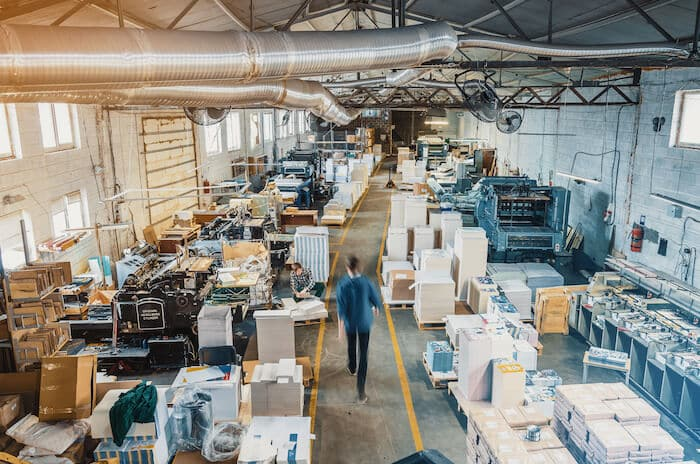
Factories that once focused only on volume began working directly with brands, designers, and online sellers. At the same time, domestic competition pushed suppliers to improve design, packaging, and delivery speed.
As a result, Chinese Shopping now includes:
- Small-batch production
- Rapid design-to-market cycles
- Custom and semi-custom products
- Direct access to factory-level variations
The value shifted from "cheap" to "flexible."
1.2 Why low cost is no longer the main advantage
Labor costs increased over time. Platform competition also changed buyer expectations.
Today, buyers choose Chinese Shopping because it offers:
- More choices within the same category
- Faster iteration than many global markets
- Products that appear first in China
- Direct access to niche and trend-driven items
Cost still matters, but it is no longer the defining factor.
2. How Have Chinese Shopping Platforms Evolved?
2.1 From export-focused to domestic-first innovation
Many global buyers assume Chinese platforms exist mainly for exports. In reality, most innovation happens for domestic consumers first.
Chinese consumers demand:
- Frequent product updates
- Visual differentiation
- Influencer-driven design changes
- Fast fulfillment
Platforms adapt quickly. International buyers benefit by tapping into this domestic-driven system.
Chinese Shopping today reflects what Chinese consumers buy, not just what factories export.
2.2 Platform ecosystems, not simple marketplaces
Modern Chinese Shopping platforms are ecosystems.
They integrate:
- Manufacturing
- Wholesale distribution
- Retail presentation
- Logistics coordination
This structure allows buyers to move from product discovery to sourcing without switching systems. For global buyers, this means fewer intermediaries and clearer supply paths.
3. What Do Global Buyers Actually Use Chinese Shopping For Today?
3.1 Product discovery, not just sourcing
Many buyers no longer arrive with a fixed product list.
Instead, Chinese Shopping is used to:
- Explore category trends
- Compare design variations
- Identify emerging styles
- Test demand signals
This discovery-driven approach changes how sourcing decisions are made.
3.2 Access to items unavailable elsewhere
Some products never leave the Chinese market unless a buyer actively sources them.
Examples include:
- Region-specific designs
- Platform-exclusive items
- Rapid-trend accessories
- Specialized components
Chinese Shopping becomes a gateway to inventory that global platforms never list.
4. How Does Speed Redefine Chinese Shopping?
4.1 Shorter product life cycles
Product life cycles in China are short. That is intentional.
Factories and sellers expect designs to change quickly. New versions appear within weeks, not seasons. This speed supports experimentation.
For global buyers, this means:
- Faster testing
- Lower commitment per design
- Quicker feedback loops
Chinese Shopping favors agility over long-term static catalogs.
4.2 Logistics as a competitive advantage
Speed is not only about production.
Chinese Shopping systems are built around:
- Consolidated shipping
- Centralized warehousing
- Multi-order coordination
These logistics models allow buyers to manage many suppliers without managing many shipments.
5. Is Quality Still a Concern in Chinese Shopping?
5.1 Why quality perception is outdated
The idea that Chinese Shopping equals poor quality comes from an earlier phase of global trade.
Today, quality varies by:
- Supplier tier
- Target market
- Price positioning
- Platform segment
The same factory may produce different quality levels for different buyers.
Quality is not absent. It is selectable.
5.2 How buyers manage quality in practice
Experienced buyers do not rely on product pages alone.
They focus on:
- Supplier communication
- Sample evaluation
- Consistency checks
- Platform reputation signals
Chinese Shopping rewards buyers who understand the process, not those who rely on assumptions.
6. What Role Does Customization Play Now?
6.1 From mass production to flexible output
Customization no longer means large minimum orders.
Many suppliers support:
- Small design changes
- Logo adjustments
- Material swaps
- Packaging variations
This flexibility allows buyers to create differentiated offerings without building factories.
Chinese Shopping enables this by default.
6.2 Why customization drives global demand
Global markets are fragmented. One-size-fits-all products struggle.
Customization allows:
- Market-specific adaptation
- Brand positioning differences
- Faster response to feedback
Chinese Shopping supports these needs because the supply chain is close to the decision point.
7. Is Chinese Shopping Replacing Traditional Sourcing?

7.1 Not replacing, but reshaping
Chinese Shopping does not eliminate traditional sourcing. It changes how it works.
Instead of long contracts and fixed catalogs, buyers use:
- Iterative sourcing
- Short-term testing
- Data-driven decisions
The role of sourcing becomes continuous, not occasional.
7.2 Why small and medium buyers benefit most
Large enterprises already have sourcing teams. Smaller buyers often do not.
Chinese Shopping levels the field by giving smaller buyers access to:
- Factory-direct options
- Wholesale-scale variety
- Platform-level logistics
This accessibility changes who can compete globally.
8. What Are the Hidden Challenges of Chinese Shopping?
8.1 Information overload
Choice is a double-edged sword.
Chinese Shopping platforms offer a massive variety. Without structure, buyers can feel overwhelmed.
Common challenges include:
- Too many similar listings
- Inconsistent descriptions
- Platform language barriers
This is why process matters more than platform.
8.2 Communication and coordination gaps
Time zones, language, and platform norms can slow decisions.
Successful buyers rely on intermediated workflows that:
- Centralize communication
- Standardize order handling
- Reduce back-and-forth
Chinese Shopping works best when coordination is simplified.
9. How Buying Agents Fit Into Modern Chinese Shopping

9.1 Why agents are no longer just translators
In the past, agents handled language issues. Today, they manage systems.
A modern buying agent supports:
- Multi-platform sourcing
- Supplier filtering
- Order consolidation
- Logistics coordination
This role exists because Chinese Shopping has become too complex to manage ad hoc.
9.2 From cost savings to risk reduction
The value of a buying agent is no longer about finding cheaper products.
It is about:
- Reducing operational friction
- Avoiding common mistakes
- Creating repeatable workflows
Chinese Shopping rewards structure, not improvisation.
10. What Does the Future of Chinese Shopping Look Like?
10.1 More integration, not more platforms
The future is not about more marketplaces. It is about tighter integration.
Expect improvements in:
- End-to-end order visibility
- Cross-platform sourcing
- Unified logistics management
Chinese Shopping will feel less fragmented over time.
10.2 A permanent role in global commerce
Chinese Shopping is no longer a phase.
It is embedded in how global commerce works because it offers:
- Speed
- Variety
- Flexibility
- Access
These traits are structural, not temporary.
Conclusion
Chinese Shopping has moved far beyond low-cost manufacturing. It is now a dynamic sourcing and discovery system shaped by speed, flexibility, and domestic innovation. Global buyers use it not just to save money, but to access products, trends, and supply capabilities that are difficult to replicate elsewhere.
For buyers around the world, Chinese Shopping is no longer about asking whether to use it. The real question is how to use it effectively.
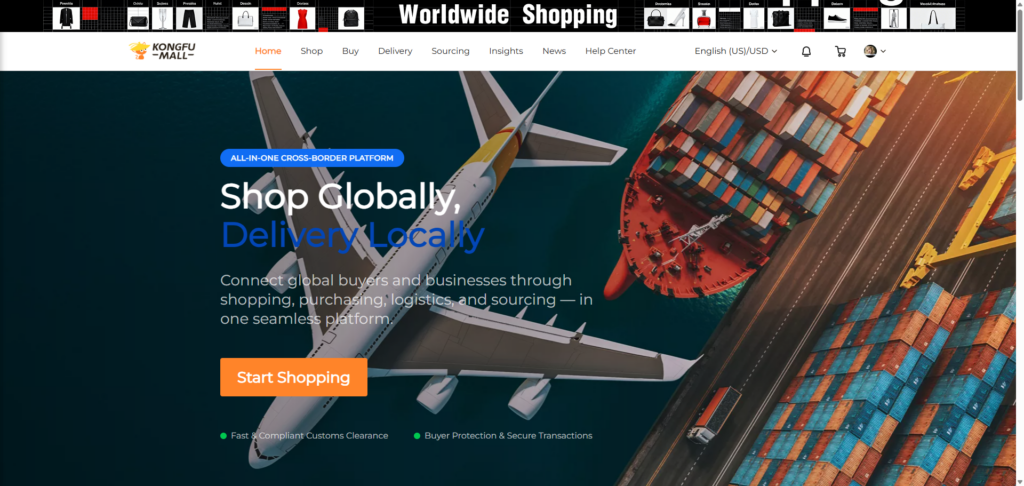
At KongfuMall, global buyers are supported in sourcing products from Chinese platforms across the mainland. Any product available on Chinese platforms can be sourced through a structured buying process that simplifies communication, coordination, and logistics. Learn more at KongfuMall.com.