Shipping Zones, Weight, and Volume: What Sellers Should Calculate First

Low-cost shipping from China to worldwide regions is no longer only about finding a courier. For sellers, overseas buyers, and cross-border operators, shipping success depends on how well three core factors are calculated in advance: shipping zones, package weight, and volume.
Many shipping problems do not come from high costs, but from incorrect assumptions. Misjudging zones, underestimating volumetric weight, or failing to consider consolidation rules often leads to delays, unexpected charges, or failed deliveries. This guide explains what should be calculated first, why it matters, and how professional buyers and sellers optimize low-cost shipping from China to worldwide regions in practice.
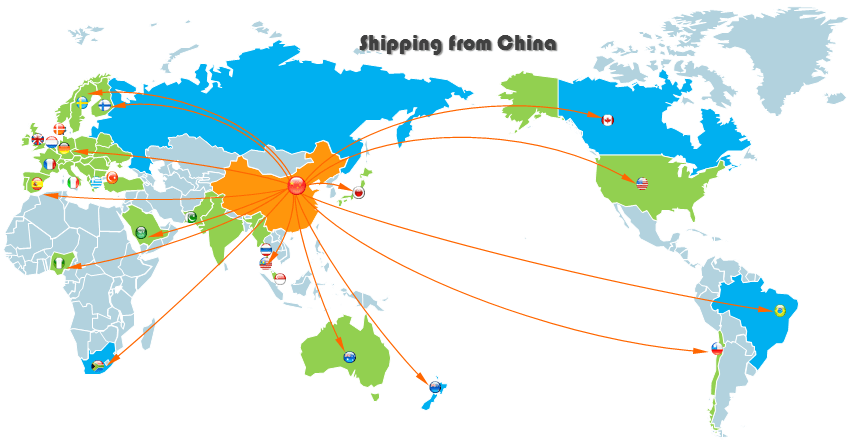
Table of Contents
1. Why Shipping Calculations Matter Before Placing Any Order
1.1 What Do Sellers Usually Get Wrong First?
Most sellers focus on the product price but ignore logistics variables. This creates a gap between expectation and reality once parcels leave China.
Common mistakes include:
- Assuming all countries belong to the same shipping zone
- Calculating only the actual weight and ignoring volume
- Ordering from multiple platforms without consolidation planning
Low-cost shipping from China to worldwide regions requires logistics awareness before checkout, not after dispatch.
1.2 Why Early Calculation Saves Time and Risk
Early shipping calculations help sellers:
- Choose suitable delivery routes
- Reduce unnecessary handling steps
- Avoid re-packing or re-routing delays
When zones, weight, and volume are clear, logistics becomes predictable and scalable.
2. What Are Shipping Zones and Why Do They Matter?
2.1 How Shipping Zones Affect Delivery Routes
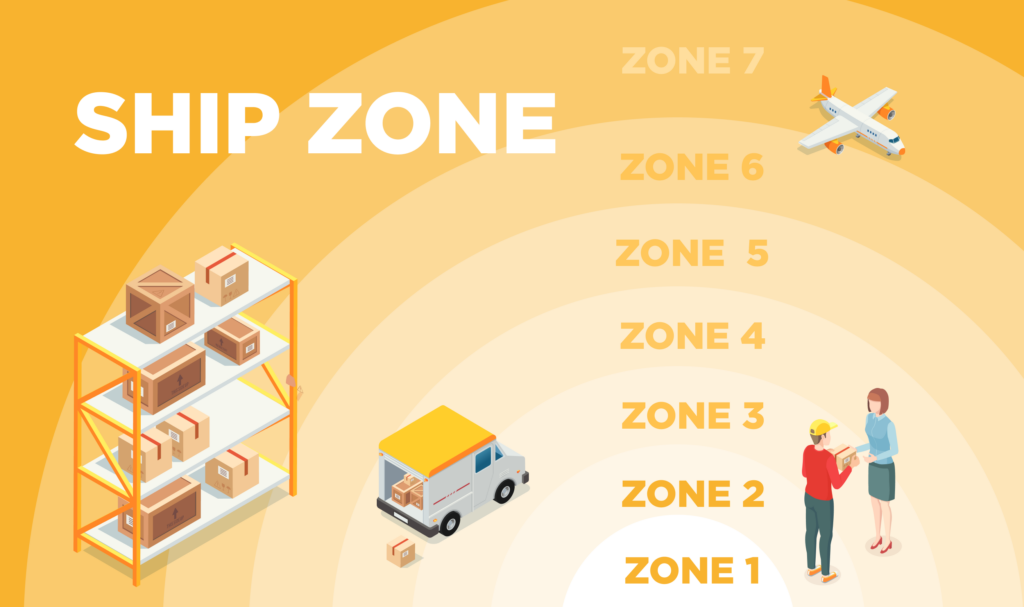
Shipping zones classify destinations by region, distance, and logistics complexity. Europe, North America, Southeast Asia, the Middle East, and Oceania often belong to different operational zones.
Each zone influences:
- Available transport methods
- Transit stability
- Clearance procedures
Understanding zones is foundational to low-cost shipping from China to worldwide regions.
2.2 Why Sellers Should Not Treat All Destinations Equally
Shipping to neighboring Asian regions differs significantly from shipping to remote or regulated markets. Routes, customs intensity, and carrier availability change by zone.
Smart sellers calculate zones first to:
- Match products with suitable routes
- Avoid restricted lanes
- Improve delivery consistency
3. How Does Package Weight Really Get Calculated?
3.1 Actual Weight vs Chargeable Weight
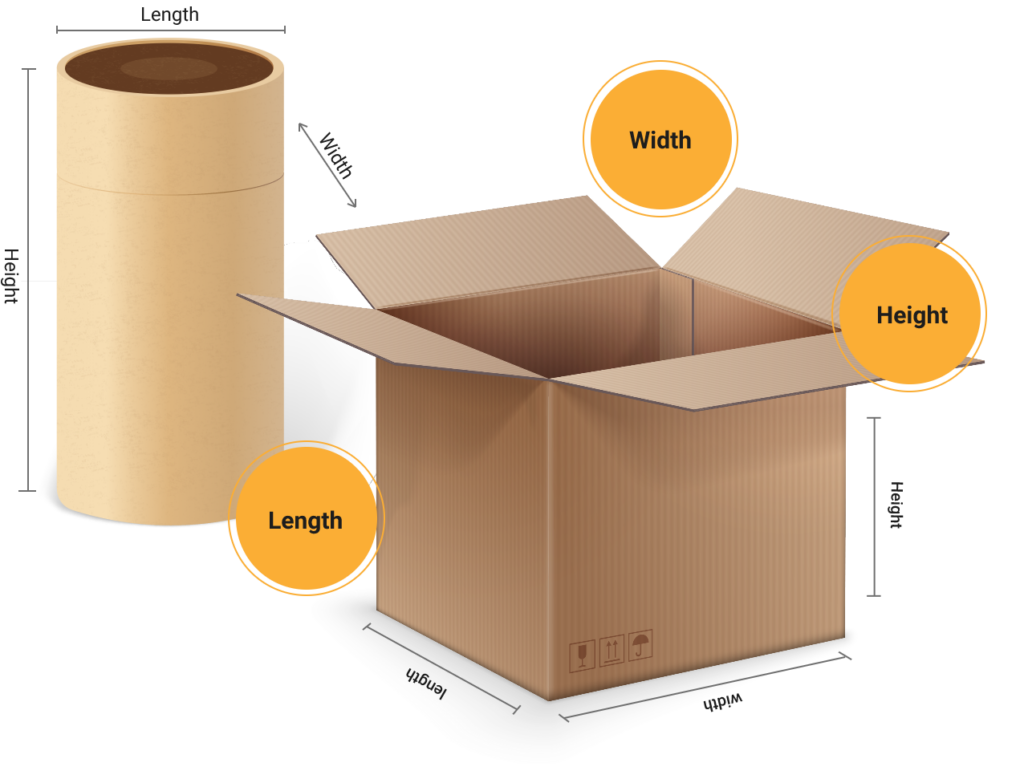
In international shipping, the heavier value between actual weight and volumetric weight is used for calculation. Many sellers overlook this rule.
Actual weight is measured physically. Volumetric weight reflects the space a package occupies.
Low-cost shipping from China to worldwide regions depends on understanding both.
3.2 Why Lightweight Products Can Still Cost More to Ship
Bulky items with low density often result in a higher chargeable weight. This surprises sellers who only consider scale weight.
Examples include:
- Shoes with large boxes
- Home goods with protective packaging
- Multiple small items shipped separately
Correct weight calculation starts with packaging awareness.
4. What Is Volumetric Weight and Why Is It Critical?
4.1 How Volume Impacts International Logistics
Volumetric weight reflects how much space a parcel takes during transport. Airlines and line-haul carriers prioritize space efficiency.
If the volume is large, shipping capacity is reduced, even if the actual weight is low.
This makes volume a decisive factor in low-cost shipping from China to worldwide regions.
4.2 How Sellers Can Reduce Volume Effectively
Volume can be optimized through:
- Removing unnecessary retail packaging
- Combining multiple items into one parcel
- Choosing flexible packing methods
Professional buyers plan volume reduction before products reach the warehouse.
5. Why Consolidation Changes the Entire Shipping Strategy
5.1 What Is Parcel Consolidation and How It Works
Consolidation refers to merging multiple orders into a single shipment. This is especially useful when sourcing from different Chinese platforms.
Benefits include:
- Reduced volumetric impact
- Simplified customs declaration
- Easier tracking management
It is a key method for low-cost shipping from China to worldwide regions.
5.2 When Consolidation Is Most Effective
Consolidation works best for:
- Multi-platform purchases such as 1688, Taobao, and Pinduoduo
- Overseas group buying
- Seller inventory replenishment
Correctly timing consolidation prevents storage delays and misalignment.
6. How Tracking, Timing, and Route Stability Affect Costs

6.1 Why Transit Time Predictability Matters
Unstable routes cause delays, re-routing, or customs holds. These indirectly increase logistics costs.
Stable routes allow sellers to:
- Plan inventory cycles
- Communicate delivery expectations
- Reduce operational stress
Low-cost shipping from China to worldwide regions. Chinese values reliability as much as speed.
6.2 Why Tracking Transparency Is a Core Requirement
Complete tracking visibility helps sellers:
- Monitor parcel movement
- Identify delays early
- Coordinate customer communication
A clear tracking system supports long-term logistics efficiency.
7. Who Needs a China Purchasing and Shipping Agent?
7.1 Why Overseas Buyers Cannot Always Buy Directly
Many Chinese platforms are not designed for overseas users. Language barriers, payment limitations, and seller restrictions create obstacles.
A professional agent bridges these gaps by handling:
- Communication with sellers
- Quality checks and photo verification
- Domestic collection and consolidation
This model supports low-cost shipping from China to worldwide regions at scale.
7.2 What Makes an Agent Platform Efficient
An effective agent platform offers:
- DIY and online order placement
- Multiple payment methods such as Stripe, PayPal, bank cards, and wallet recharge
- Clear logistics options and tracking
Operational simplicity is essential for frequent buyers.
8. How Different Buyer Types Use These Calculations

8.1 Overseas Chinese and International Shoppers
Overseas Chinese and international consumers often buy lifestyle, electronics, and daily goods from China.
They benefit from:
- Consolidation for personal shopping
- Transparent tracking
- Flexible delivery routes
8.2 Sellers and E-commerce Operators
Amazon, eBay, and Shopify sellers use shipping calculations to:
- Prepare inventory
- Optimize fulfillment cycles
- Reduce logistics friction
Accurate planning enables consistent low-cost shipping from China to worldwide regions.
9. What Sellers Should Calculate First Before Shipping
9.1 A Practical Calculation Checklist
Before placing any order, sellers should calculate:
- Destination shipping zone
- Estimated actual and volumetric weight
- Consolidation potential
- Route stability and tracking support
This sequence reduces unexpected outcomes.
9.2 Why Calculation Comes Before Purchase
Once products are shipped domestically, options become limited. Early planning gives sellers control.
Low-cost shipping from China to worldwide regions begins with decisions made before checkout, not after dispatch.
Conclusion
Shipping success is not determined by luck or last-minute decisions. It is built on precise calculations of shipping zones, weight, and volume. Sellers who understand these factors avoid delays, reduce logistics risks, and create sustainable international operations.
To explore a complete solution for China purchasing and low-cost shipping from China to worldwide regions, visit KongfuMall.com. Accurate calculation is the first step toward smarter global shipping.