Buying Agent vs DIY Forwarding: Which Works Better Long-Term with a Small-Parcel Consolidation Tool

Table of Contents
Choosing between a buying agent and DIY forwarding is no longer a simple cost comparison. For long-term buyers who place frequent orders across multiple Chinese platforms, the real question is how well each model scales when combined with a small-parcel consolidation tool. This article examines both approaches from a practical, long-term perspective, focusing on workflow stability, risk control, and operational efficiency.

1. What Problem Are Long-Term Buyers Actually Trying to Solve?
Many buyers begin with a single order and a simple goal. Over time, patterns change. Orders become more frequent. Product categories expand. Sellers vary in reliability. At that stage, logistics management becomes the real bottleneck.
1.1 Why single-platform shipping stops working
Most Chinese platforms are designed for domestic delivery. When international buyers rely on each seller to ship separately, several issues appear:
- Tracking becomes fragmented
- Parcels arrive at different times
- Customs declarations lack consistency
- After-sales communication is scattered
A small-parcel consolidation tool exists to address these issues by centralizing parcels before international shipping.
1.2 Where consolidation fits into long-term workflows
For repeat buyers, consolidation is not optional. It becomes the core layer that connects purchasing, inspection, storage, and outbound shipping into one controllable system.
2. What Is DIY Forwarding in Real Use?
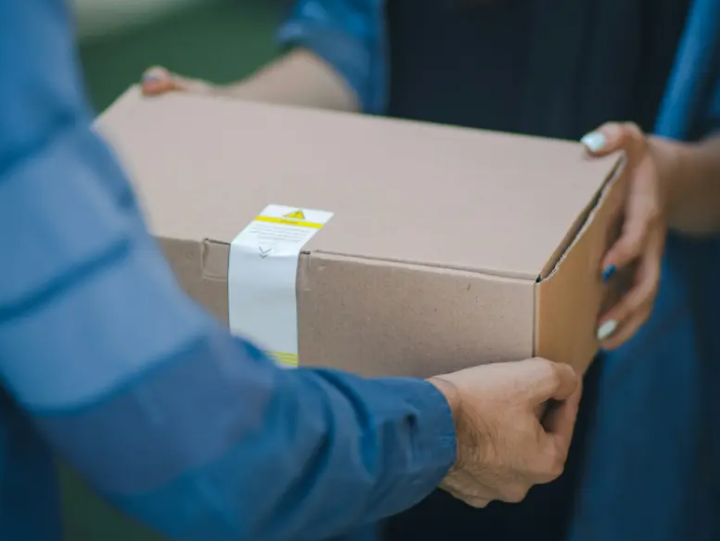
DIY forwarding gives buyers direct control over ordering. The buyer places orders personally, uses a local warehouse address, and relies on the platform to combine parcels later.
2.1 How DIY forwarding usually works
A typical DIY workflow looks like this:
- The buyer places orders on multiple Chinese platforms
- Sellers ship domestically to a forwarding warehouse
- Parcels are registered manually
- The buyer requests consolidation
- International shipping is arranged
On paper, this seems flexible. In practice, the workload increases quickly.
2.2 Where DIY forwarding starts to break down
From long-term use, several friction points appear:
- Seller communication remains the buyer's responsibility
- Missing or incorrect items are harder to resolve
- Platform rules differ and change often
- Parcel data must be verified manually
A small-parcel consolidation tool can reduce shipping steps, but it does not solve upstream issues related to purchasing itself.
3. What Does a Buying Agent Actually Add?
A buying agent is not just a middle layer. In long-term scenarios, it becomes an operational partner rather than a simple service.
3.1 The agent's role beyond placing orders
When acting as a buying agent, the workflow includes:
- Product verification before purchase
- Seller communication and follow-up
- Order alignment across platforms
- Warehouse coordination
- Consolidation logic based on parcel type
This shifts the buyer's role from operator to decision-maker.
3.2 Why agents matter when order volume grows
As volume increases, minor issues scale into significant disruptions. With agent involvement, recurring problems are absorbed before they reach the buyer.
4. How a Small-Parcel Consolidation Tool Changes Both Models
The presence of a small-parcel consolidation tool alters how both DIY forwarding and buying agent models perform over time.
4.1 Consolidation under DIY forwarding
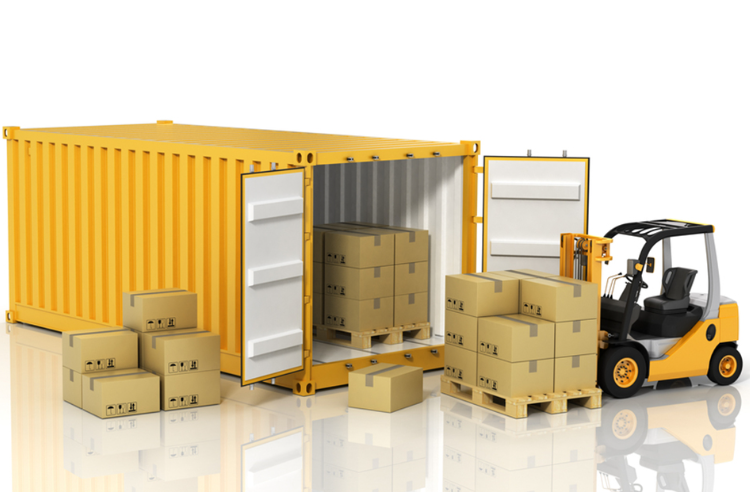
In DIY forwarding, the tool mainly serves logistics:
- Parcel intake
- Weight and dimension recording
- Merging shipments
The buyer still manages upstream complexity.
4.2 Consolidation with a buying agent
With an agent, the same tool becomes part of a closed loop:
- Orders are aligned before arrival
- Parcels are labeled consistently
- Inspection happens before consolidation
- Shipping batches are planned logically
This difference becomes critical over long periods.
5. Risk Control: Which Model Handles Errors Better?
Errors are unavoidable. The question is who absorbs them.
5.1 Common issues in long-term buying
Across months of operation, buyers encounter:
- Wrong colors or sizes
- Missing accessories
- Seller shipment delays
- Platform disputes
DIY forwarding places all resolution responsibility on the buyer.
5.2 How agents reduce operational risk
When using a buying agent alongside a small-parcel consolidation tool, issues are detected earlier. Problems are handled locally before consolidation, which prevents error propagation into international shipping.
6. Time Investment vs Control: A Practical Comparison
Control does not always mean efficiency.

6.1 Time cost of DIY forwarding
From experience, DIY buyers often spend time on:
- Tracking domestic shipments
- Verifying parcel arrivals
- Contacting sellers individually
- Reconciling platform order data
This effort grows linearly with order count.
6.2 Time allocation with a buying agent
With agent support, time is spent on:
- Product selection
- Priority setting
- Shipping decisions
The small-parcel consolidation tool then operates as a backend system rather than a daily task list.
7. Scalability Over Months and Years
Short-term tests rarely reveal long-term weaknesses.
7.1 DIY forwarding scalability limits
DIY forwarding struggles when:
- Orders exceed a manageable number
- Product categories diversify
- Multiple sellers ship inconsistently
The consolidation tool helps, but only after problems already exist.
7.2 Agent-based scalability
With an agent, processes are repeatable. The consolidation system works predictably because inputs are controlled.
8. Communication Efficiency Across Platforms
Chinese marketplaces vary widely in seller behavior.

8.1 Communication challenges without an agent
Language barriers, platform rules, and response delays slow issue resolution. Even with a small-parcel consolidation tool, communication remains fragmented.
8.2 Centralized communication through an agent
Agents consolidate communication just as the tool consolidates parcels. This symmetry reduces friction across the entire supply chain.
9. Data Consistency and Record Keeping
Long-term buyers rely on clean data.
9.1 DIY data fragmentation
DIY forwarding often results in:
- Inconsistent parcel names
- Duplicate tracking entries
- Manual spreadsheets
The consolidation tool helps downstream, but cannot fix inconsistent inputs.
9.2 Agent-supported data flow
With agent involvement, parcel data is standardized before entering the small-parcel consolidation tool, improving tracking accuracy and historical analysis.
10. Who Benefits Most from Each Model?
The answer depends on usage patterns, not preferences.
10.1 When DIY forwarding makes sense
DIY forwarding may work if:
- Order frequency is low
- Platforms are familiar
- Issue tolerance is high
10.2 When a buying agent is more sustainable
A buying agent paired with a small-parcel consolidation tool works better when:
- Orders are frequent
- Multiple platforms are involved
- Consistency matters
- Long-term operations are planned
Conclusion
In long-term cross-border purchasing, the key consideration is which system remains stable as complexity grows. A small-parcel consolidation tool is crucial to both DIY forwarding and buying-agent models, but its effectiveness depends on high-quality input data. DIY forwarding views consolidation is a final step for DIY buyers, while buying agents see it as part of an integrated process that is vital for buyers sourcing from Chinese platforms over time. KongfuMall combines professional buying agent services with a reliable small-parcel consolidation tool, facilitating sourcing from major platforms in mainland China. Learn more at KongfuMall.com.