Product Sourcing From China for Shopify: A Beginner-Friendly Step-by-Step Guide

Table of Contents
Product sourcing from China for Shopify is not just about finding a cheap supplier. It is about building a repeatable system that protects your margins, keeps product quality stable, and helps you ship orders without constant problems. For beginners, the real goal is simple: choose the right product, verify the right supplier, control the real landed cost, and create a workflow you can scale.
1. Why product sourcing from China for Shopify matters before you pick a supplier
Many new Shopify sellers start in the wrong place. They open a supplier list first, compare prices, and think the lowest quote wins. That usually creates trouble later. A low quote can hide weak packaging, unstable quality, poor communication, slow lead times, or expensive shipping.
That is why product sourcing from China for Shopify should begin with a business model, not a factory search. You need to know:
- your target selling price
- your minimum acceptable margin
- your product standards
- your shipping method
- your return risk
- your packaging expectations
Once these basics are clear, supplier selection becomes much easier. More importantly, you stop buying based on hope and start sourcing based on numbers.
2. Step 1: Define margins, MOQ, and specs for product sourcing from China for Shopify
Before you contact any supplier, write a short sourcing brief. This brief should explain exactly what you want to buy and what makes the product acceptable.
Your brief should include:
- product name and intended use
- material requirements
- size, color, and packaging details
- logo or private label needs
- target order quantity
- acceptable defect rate
- target ex-factory cost
- target delivery timeline
This step matters because suppliers respond better when requirements are specific. It also reduces miscommunication, which is a major issue in cross-border buying.
A simple sourcing model can look like this:
| Item | Example |
|---|---|
| Product | Portable desk organizer |
| Target selling price | $39 |
| Target product cost | $8–$12 |
| MOQ goal | 100–300 units |
| Packaging | Branded box with barcode |
| Quality check points | Surface finish, dimensions, accessories |
| Shipping goal | Air for first batch, sea for repeat order |
For product sourcing from China for Shopify, this kind of clarity saves time from the very first message.
3. Step 2: Find suppliers for product sourcing from China for Shopify
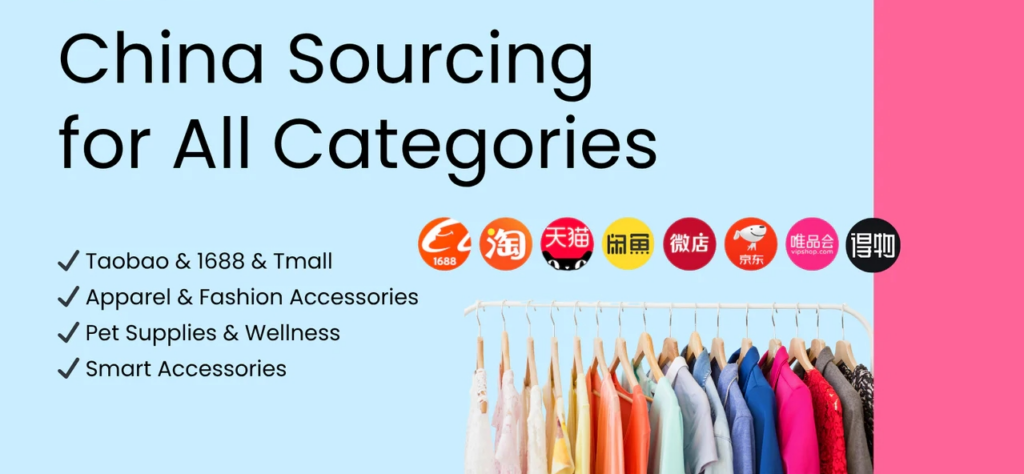
For many beginners, product sourcing from China for Shopify is not just about finding a product link. Some overseas buyers in certain regions may be able to buy directly from Taobao, and Taobao may support foreign credit cards or UnionPay in some cases, but direct buying still has major limits. Product access is often narrower because many sellers do not ship internationally, international freight can be more expensive, VAT may apply, and buyers usually cannot inspect goods before shipment. That is why direct platform access is not the same as a repeatable sourcing workflow.
In real product sourcing from China for Shopify, sellers usually need more than checkout access. They need product confirmation, warehouse intake, inspection, parcel management, and international shipping support. KongfuMall helps bridge that gap by allowing overseas users to purchase from Taobao, 1688, and other mainland Chinese platforms through a more workable process. If a product cannot be found directly on KongfuMall, the buyer can still use the Sourcing / End-to-End Sourcing Service to place a DIY order request for items from Taobao, 1688, JD, Pinduoduo, and other Chinese platforms.
At this stage, do not judge a supplier by price alone. Instead, screen them through five filters:
3.1 Product fit
Do they actually make the product you want, or are they just trading it?
3.2 Communication speed
Do they answer clearly and consistently? Slow or vague replies usually become bigger problems later.
3.3 Customization ability
Can they handle logo work, packaging changes, inserts, labels, or simple product adjustments?
3.4 Order flexibility
Can they support sample orders, trial orders, or mixed variations if you are still testing?
3.5 Shipping readiness
Can they work with warehouse delivery, consolidation, export documents, and international shipment coordination?
For beginners, this is where a service platform can reduce risk. According to KongfuMall's Beginner's Guide, users can manage sourcing orders, forwarding orders, parcels, and support tickets inside one account area. That structure is useful because it turns a scattered sourcing process into a clearer operational workflow.
4. Step 3: Verify suppliers with samples, QC, and communication
This is where many good ideas either become real products or expensive mistakes.
Never place a serious order without sample testing unless the item is extremely low risk. Samples help you check not only the product, but also the supplier's execution quality. You can learn a lot from:
- how long the sample takes
- whether the sample matches the photos
- whether packaging is secure
- whether labels and logos are correct
- whether small details were followed carefully
For product sourcing from China for Shopify, sample review should include both customer-facing and warehouse-facing checks. In other words, ask two questions:
- Would a buyer be happy opening this?
- Would this item survive storage, handling, and international shipping?
If the product is fragile, request stronger packaging. If the finish is inconsistent, ask for a production tolerance explanation. If colors vary too much, request a standard sample reference.
This is also the stage where photo inspection becomes valuable. According to KongfuMall's Service Fee Policy, the platform offers optional photo inspection as a value-added service. For beginners who cannot inspect products in person, that extra step can help catch obvious issues before final shipment.
5. Step 4: Build the shipping and cost model for product sourcing from China for Shopify
A product can look profitable on paper and still lose money once shipping, packaging, service fees, and return risk are included. That is why you need a full landed cost model before ordering in bulk.
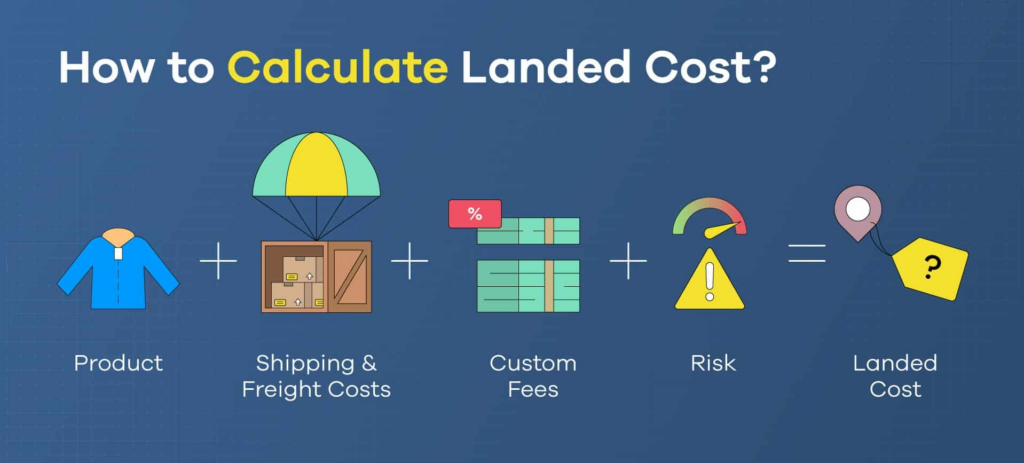
For product sourcing from China for Shopify, calculate these cost layers:
- product price
- domestic shipping to the warehouse
- platform or sourcing service fee
- inspection cost if needed
- protective packaging if needed
- international freight
- customs or import-related costs
- refund and replacement risk
According to KongfuMall's Service Fee Policy, the platform service fee is tiered by order value: 15% for orders under $50, 10% for $50–$200, and 6% for orders over $200. The same policy also explains that total order cost is made up of product cost + international shipping fee + service fee. That kind of structure is important for Shopify sellers because it helps you model true unit economics instead of guessing.
Here is a simple example:
| Cost Item | Example Amount |
|---|---|
| Domestic shipping to the warehouse | $9.50 |
| Domestic shipping to warehouse | $0.80 |
| Service fee | $1.00 |
| Packaging and inspection | $0.70 |
| International shipping | $4.50 |
| Total landed cost | $16.50 |
If your selling price is $39, your gross margin may still work. But if refunds, ad spend, and payment fees are high, the margin gets thinner very quickly. So do the math early.
6. Step 5: Set up the operational workflow inside KongfuMall
Once you have a validated supplier and a working cost model, your next job is process control.
This part is often ignored, yet it is central to product sourcing from China for Shopify. You need a workflow for:
- placing sourcing requests
- tracking payments
- receiving goods into the warehouse
- checking inventory
- consolidating parcels if needed
- selecting shipping methods
- managing after-sales requests
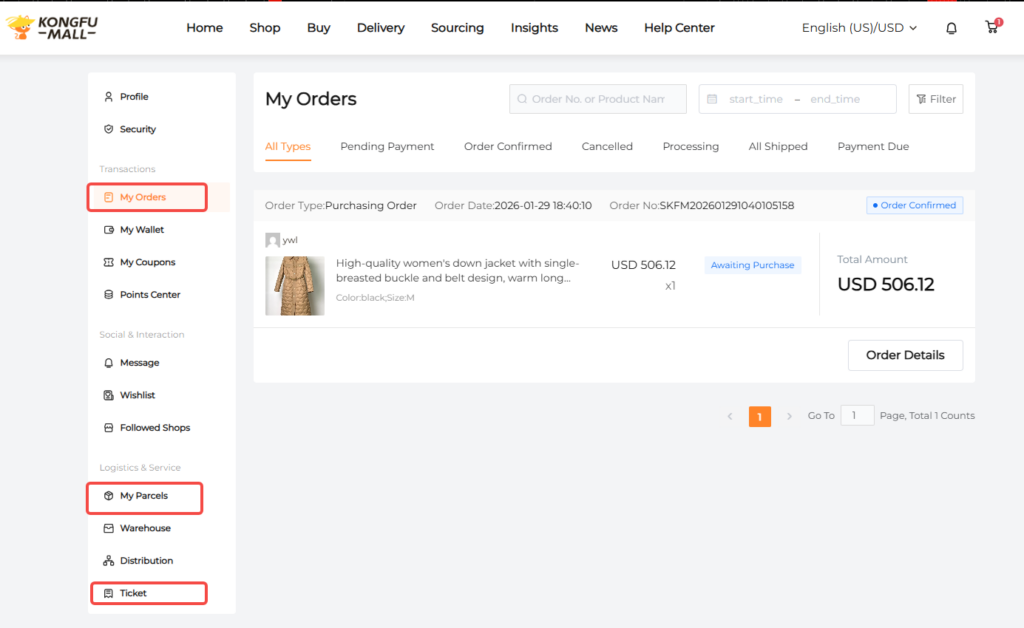
Based on KongfuMall's Beginner's Guide, users can manage orders through My Orders, handle warehouse-to-parcel movement through My Parcels, and use Ticket support for issues related to orders, shipping, payment, or account questions. For a beginner, that matters because cross-border sourcing gets messy fast when product, warehouse, and logistics records are spread across chats and spreadsheets.
A clean beginner workflow looks like this:
- Confirm the product brief and supplier
- Order samples
- Approve sample and packaging
- Place trial order
- Send goods to warehouse
- Request inspection or photo confirmation
- Consolidate if needed
- Choose shipping line and pay freight
- Track parcel status
- Review quality and reorder only after real sales data
That system is much safer than jumping straight into a large bulk order.
7. How to handle returns, claims, and buyer risk
Beginners often focus only on buying, but good sourcing includes exit planning. You need to know what happens if the product arrives damaged, wrong, incomplete, or not as expected.
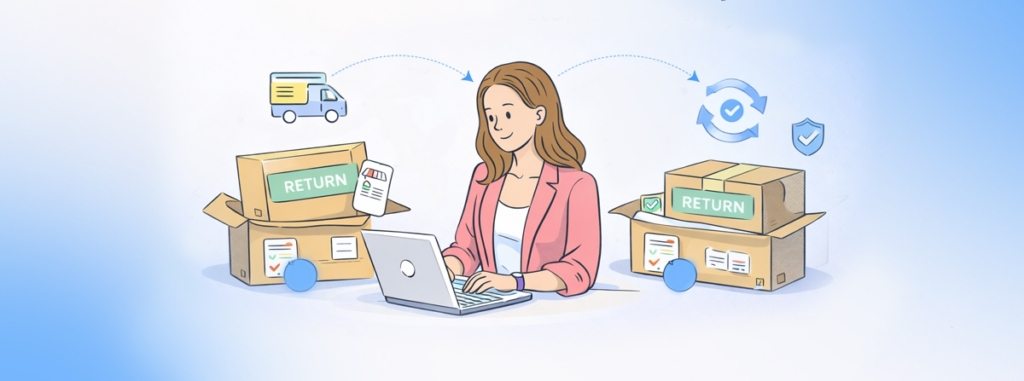
KongfuMall's After-Sales Policy, after-sales requests should be submitted through My Orders with photo or video evidence, and they are reviewed by the warehouse and seller. The same policy explains that responsibility depends on the cause. If the issue is due to the user's reason, the user usually bears the related round-trip shipping cost and service fee. If the issue is due to seller's fault, such as the wrong item or an obvious quality issue, the seller generally bears the related costs.
That matters for product sourcing from China for Shopify because refund logic affects what you can safely test. When a product category has high defect risk or strict return restrictions, start with smaller quantities and tighter inspection controls.
Also note that KongfuMall's Return Refund Policy and After-Sales Policy place limits on some categories, including second-hand products, customized products without obvious quality issues, missing-accessory items, and certain hygiene-sensitive goods. That means beginners should always confirm category-specific rules before assuming that a return path exists.
8. Common mistakes in product sourcing from China for Shopify
Even with a good plan, beginners still make the same avoidable errors.
8.1 Choosing by the cheapest quote
Cheap suppliers can create hidden losses through defects, weak packaging, delays, and rework.
8.2 Skipping sample review
A product photo is not quality control. A sample is still the fastest way to reduce risk.
8.3 Ignoring service fees and domestic freight
Many beginners calculate only the factory price, not the real landed cost.
8.4 Ordering too much too early
Your first order should validate product quality, delivery stability, and customer response.
8.5 Using unclear specifications
If your instructions are vague, your result will usually be vague too.
8.6 Forgetting after-sales rules
Returns, exchanges, and claims are easier to manage when you know the policy before placing the order.
8.7 Treating sourcing like a one-time task
The best product sourcing from China for Shopify systems are repeatable. They include supplier review, cost tracking, packaging review, shipping records, and reorder benchmarks.
9. What beginners should do first this week
If you want a practical starting point, do not try to solve everything in one day. Start with a short execution plan:
- choose one product, not five
- write a one-page sourcing brief
- contact a small group of relevant suppliers
- request samples
- build a landed cost sheet
- review shipping options
- confirm after-sales boundaries
- place a controlled first order
This approach is slower than impulse buying, but it is much more scalable. It also fits how real ecommerce businesses grow: test first, standardize next, then expand.
10. Conclusion
Product sourcing from China for Shopify works best when you treat it as a system, not a shortcut. The strongest beginners are not the ones who find the lowest price first. They are the ones who define product standards clearly, verify suppliers carefully, calculate the real cost honestly, and build a workflow that can survive scale. If your sourcing process covers product fit, sample checks, landed cost, warehouse control, and after-sales planning, choose Kongfumall so that you can make better buying decisions and build a more stable Shopify business.