Low-Cost Shipping from China to North America: What to Expect

Shipping goods from China to North America has become a daily reality for online sellers, small businesses, overseas buyers, and cross-border entrepreneurs. The demand is apparent: Low-Cost Shipping that remains predictable, transparent, and operationally reliable. This article explains what to expect from Cost-Effective Shipping routes, how the process really works behind the scenes, and how buyers can reduce risk while maintaining control over timelines and costs.
Table of Contents
1. What Does Low-Cost Shipping Actually Mean in Practice?
1.1 Is Cost-Effective Shipping Just About Paying Less?
Low-Cost Shipping does not simply mean choosing the cheapest visible option. In practice, it refers to a cost-efficient logistics structure that balances:
- Consolidation efficiency
- Stable transport routes
- Predictable customs handling
- Minimal hidden fees
A shipment with a lower upfront rate but frequent delays or extra processing charges rarely qualifies as Low-Cost Shipping in real usage.
1.2 Why Low-Cost Shipping Is Often Misunderstood
Many buyers assume that shipping cost is determined only by distance or courier brand. In reality, Cost-Effective Shipping is shaped by:
- Shipment volume and consolidation
- Entry port selection
- Transport mode matching cargo type
- Warehouse handling efficiency
Understanding these variables helps set realistic expectations.
2. Why Is China a Global Hub for Low-Cost Shipping?
2.1 How China's Supply Chain Enables Cost Efficiency
China's logistics ecosystem is built for scale. From factories to regional warehouses, the infrastructure enables shipments to be transported in bulk before being redistributed internationally.
Key advantages include:
- Dense factory clusters
- High-frequency outbound routes
- Mature international forwarding networks
These conditions support consistent Cost-Effective Shipping flows to North America.
2.2 How Export Volume Impacts Shipping Stability
A high export volume reduces the per-unit handling cost. When routes are constantly active, delays caused by underfilled containers or canceled flights are less common. This stability is a core reason Cost-Effective Shipping from China remains viable.
3. Which Shipping Methods Are Common for Low-Cost Shipping?
3.1 Is Air Shipping Always Expensive?
Air shipping is not automatically excluded from Cost-Effective Shipping. It depends on how shipments are structured.
Cost-efficient air shipping often relies on:
- Cargo flight consolidation
- Regional air hubs
- Deferred delivery schedules
When combined correctly, air-based Cost-Effective Shipping can be predictable and manageable.
3.2 How Does Sea-Based Shipping Reduce Cost?
Sea shipping remains the backbone of Cost-Effective Shipping for larger volumes.
Common characteristics include:
- Container consolidation
- Longer transit windows
- Lower per-unit handling cost
This method is most effective when time sensitivity is moderate.
3.3 What About Hybrid Shipping Routes?
Hybrid routes combine sea, rail, and air segments. These routes are designed to:
- Avoid congestion
- Balance speed and cost
- Maintain consistent tracking
Hybrid Shipping is increasingly used for Cost-Effective Shipping into North America.
4. How Does Consolidation Affect Low-Cost Shipping?
4.1 Why Is Consolidation So Important?
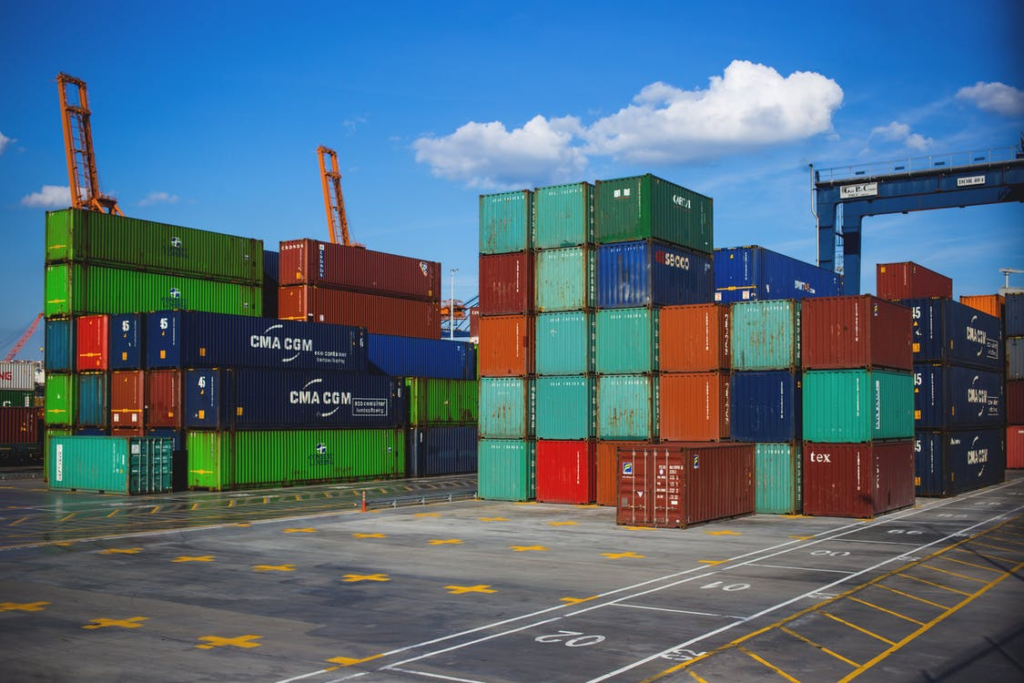
Consolidation allows multiple orders to share the same shipment flow. This reduces:
- Warehouse handling repetition
- Packaging overhead
- Transport fragmentation
Cost-Effective Shipping relies heavily on efficient consolidation systems.
4.2 What Is One-Click Parcel Merging?
Modern platforms allow buyers to combine multiple packages into a single outbound shipment. This approach helps:
- Reduce volumetric inefficiency
- Simplify customs declarations
- Improve tracking clarity
It is a key component of cost-controlled shipping strategies.
5. What Role Does Customs Play in Low-Cost Shipping?
5.1 Does Low-Cost Shipping Mean Higher Customs Risk?
Not necessarily. Customs issues usually arise from documentation errors rather than the shipping method.
Reliable Cost-Effective Shipping depends on:
- Accurate declarations
- Clear item categorization
- Consistent shipment descriptions
Transparency reduces inspection delays.
5.2 How Can Customs Delays Be Minimized?
Effective platforms support customs readiness by offering:
- Pre-shipment checks
- Photo verification
- Compliance-oriented labeling
These steps help shipments move smoothly through North American ports.
6. How Important Is Tracking in Cost-Effective Shipping?
6.1 Is Tracking Always Available for Cost-Effective Shipping?
Tracking availability depends on route and carrier integration. Modern Cost-Effective Shipping solutions increasingly provide:
- End-to-end tracking updates
- Milestone-based status changes
- Centralized shipment dashboards
Visibility reduces uncertainty for buyers.
6.2 Why Does Tracking Improve Cost Control?
When tracking is precise, buyers can:
- Plan inventory arrival
- Avoid duplicate shipments
- Respond early to delays
Tracking is not a luxury feature but a cost-management tool.
7. Who Benefits Most from Cost-Effective Shipping?
7.1 Is Cost-Effective Shipping Only for Large Businesses?
Low-Cost Shipping is especially valuable for:
- Overseas individual buyers
- International students
- Small e-commerce sellers
- Dropshipping operators
Cost efficiency matters more when margins are tight.
7.2 How Do Online Sellers Use Cost-Effective Shipping Strategically?
Sellers often rely on Low-Cost Shipping to:
- Restock overseas warehouses
- Fulfill marketplace orders
- Support one-piece fulfillment
This approach supports scalable growth without logistics inflation.
8. How Does a Purchasing Agent Improve Cost-Effective Shipping?

8.1 Why Is a China-Based Purchasing Agent Useful?
A purchasing agent acts as the bridge between buyers and local platforms. This role helps:
- Coordinate multi-platform sourcing
- Reduce communication friction
- Centralize logistics handling
Low-Cost Shipping becomes easier when sourcing and Shipping are unified.
8.2 How Platform Integration Reduces Friction
Integrated platforms combine:
- China sourcing
- Quality inspection
- Parcel consolidation
- International forwarding
This structure minimizes redundant handling and improves overall efficiency.
9. What Operational Features Matter Most?
9.1 Why Do Inspection and Photo Verification Matter?
Inspection services help prevent costly returns and disputes.
Standard inspection options include:
- Product photo confirmation
- Label removal
- Repackaging optimization
These services protect shipment integrity.
9.2 How Does Customer Support Affect Shipping Outcomes?
Responsive support helps resolve issues before they escalate. Quick answers reduce:
- Shipment delays
- Documentation mistakes
- Re-routing costs
Support for quality has a direct impact on the success of Cost-Effective Shipping.
10. How Does KongfuMall Support Cost-Effective Shipping?

KongfuMall operates as a China purchasing and logistics platform serving global buyers. It supports:
- China sourcing across major platforms
- Purchasing agent services
- Parcel forwarding and consolidation
- International Shipping to North America
The system is designed around transparency, operational clarity, and efficiency rather than complexity.
Key capabilities include:
- China purchasing and procurement agent
- 1688, Taobao, and Pinduoduo sourcing
- Factory-direct procurement
- Parcel consolidation and international forwarding
- Real-time tracking and delivery updates
- Online ordering with flexible payment methods
This structure aligns well with real-world Low-Cost Shipping needs.
11. What Should Buyers Expect Realistically?
11.1 Is Cost-Effective Shipping Always Fast?
Speed varies by route, season, and shipment structure. Cost-Effective Shipping prioritizes predictability over urgency.
11.2 What Defines a Successful Shipment?
A successful Low-Cost Shipping experience usually means:
- No surprise charges
- Clear tracking
- Stable delivery window
- Cargo integrity maintained
These factors matter more than headline speed.
Conclusion
Low-cost Shipping from China to North America is not a shortcut, but a system. It relies on consolidation, platform integration, customs readiness, and operational transparency. Buyers who understand these mechanics are better positioned to manage expectations and avoid unnecessary risk.
For global buyers, sellers, and overseas communities seeking structured China sourcing and international forwarding support, platforms like KongfuMall offer a unified approach to procurement and logistics.
Learn more about integrated China sourcing and Low-Cost Shipping solutions at KongfuMall.com.