Why a Label Removal and Repacking Service Matters for Cross-Border Sellers

Table of Contents
A label removal and repacking service helps cross-border sellers ship cleaner parcels, reduce scan errors, and protect items over long international routes. It also enables you to control what the buyer sees when the box arrives. For Amazon, eBay, Shopify, and social sellers, this is one of the simplest ways to cut disputes and improve delivery consistency.
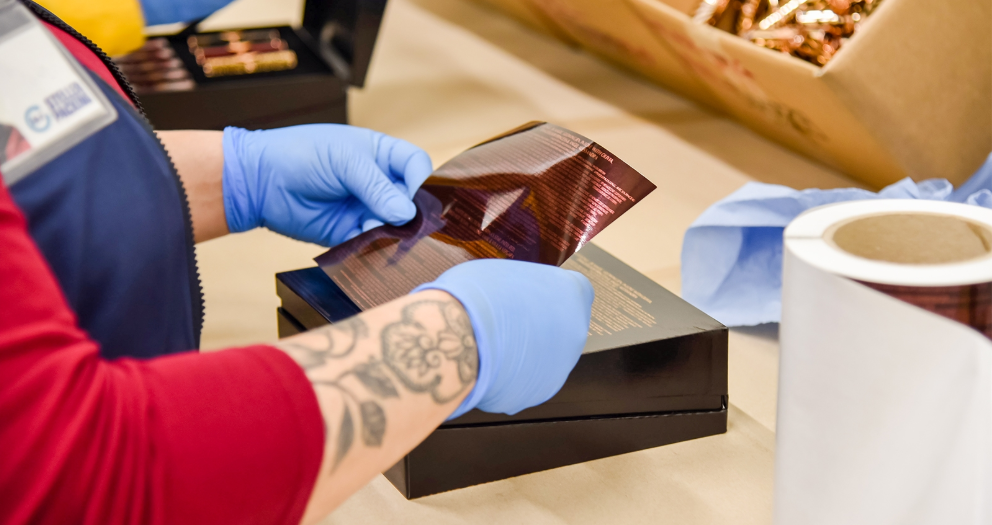
1. What is a label removal and repacking service, really?
1.1 Why do sellers use it instead of shipping supplier boxes?
Most products sourced from the Chinese marketplaces arrive in "domestic shipping mode." That packaging is built to move fast inside China, not to represent your brand overseas.
When I ship supplier boxes directly to international customers, I often see problems like:
- Too many stickers and barcodes on the outside
- Thin cartons that crush easily
- Random inserts, store slips, or QR codes
- Messy tape jobs from multiple handoffs
A label-removal and repacking service turns that domestic parcel into a clean, export-ready package that looks intentional and travels better.
1.2 What counts as "label removal" vs "repacking"?
These are two different tasks that work best together.
Label removal usually means:
- Removing old courier labels and routing stickers
- Covering conflicting barcodes that can confuse scanners
- Cleaning up loose or half-peeled stickers
- Preventing "label-on-label" clutter
Repacking usually means:
- Switching to a stronger carton or mailer
- Right-sizing the box to reduce movement
- Adding protective materials for fragile items
- Sealing inner bags for moisture-sensitive goods
Used together, a label removal and repacking service improves both presentation and logistics reliability.
2. Which problems does it prevent for your buyers?
2.1 Why do mixed labels trigger distrust and refunds?
Buyers don't see your warehouse workflow. They only see the box. When a parcel arrives covered in domestic labels or supplier branding, many buyers jump to conclusions.
Standard buyer reactions include:
- "This looks like it came straight from a random marketplace."
- "Did the seller even check the item?"
- "Why are there multiple tracking stickers?"
Those reactions can lead to:
- More "Where is my order?" messages
- More return requests
- More low-star reviews, even if the item is fine
A label removal and repacking service removes the visual "noise" that triggers doubt.
2.2 How does clean packaging improve unboxing and reviews?
Clean packaging improves the first 10 seconds of the customer experience. That first impression often influences whether a buyer looks for flaws or feels confident.
What I aim for:
- A neat outer carton with one clear shipping label
- No leftover adhesive patches or torn sticker edges
- Internal packaging that keeps the product stable
- A simple, tidy presentation that feels professional
That's exactly what a label removal and repacking service is built to deliver.
3. Which logistics risks does it reduce for you?

3.1 Can old barcodes cause mis-scans and delays?
Yes. This is not rare. If an old barcode remains visible, automated systems may scan the wrong code. That can trigger:
- Sorting mistakes
- Manual review delays
- Routing to the wrong hub
- "Exception" scans that pause movement
For cross-border sellers, a minor scanning error can delay the process by days. A good label removal and repacking service makes the outer parcel "scanner-safe" by removing or covering conflicting codes.
3.2 Does repacking improve protection across long routes?
International routes are rough on boxes. Parcels get stacked, compressed, dropped, and moved through multiple hubs. Repacking helps you design for that reality.
Repacking upgrades I rely on:
- Tighter fit (less space, less impact on movement)
- Stronger corners (dent resistance for boxed goods)
- Double-seal on openings for long transit
- Moisture barriers for items that hate humidity
A label-removal and repacking service reduces damage risk, thereby reducing returns and chargebacks.
4. Can it lower the total shipping cost without cutting protection?
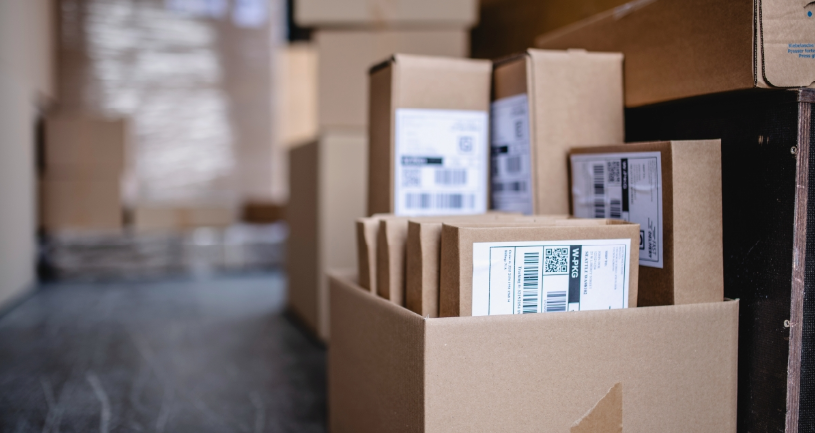
4.1 Why dimensional weight punishes oversized boxes
Many shipping lanes charge for parcels based on the space they occupy rather than their physical weight. Oversized supplier boxes can inflate shipping costs even for small products.
Repacking can help by:
- Removing oversized cartons
- Combining items into one optimized parcel
- Reducing wasted volume while keeping protection
I don't optimize for "smallest box possible." I optimize for "safe and efficient." A label removal and repacking service supports that balance.
4.2 When should you keep original packaging?
Some original packaging is protective or essential to the buyer experience. Downsizing is not always smart.
I usually keep the original packaging when:
- The item uses molded inserts designed to prevent impact
- The product has delicate edges or fragile surfaces
- The retail box is part of what the buyer wants
- The product needs specific handling or warnings
A good label removal and repacking service follows your rules rather than forcing a single packing style.
5. How do you run a reliable workflow from China sourcing to global delivery?
5.1 What's the step-by-step SOP sellers follow?
Cross-border sellers often source from multiple China channels at once. Without a workflow, packaging becomes inconsistent, and mistakes creep in.
A simple SOP that works well:
- Send all supplier parcels to one receiving warehouse
- Confirm item count and visible condition on arrival
- Take photos for key SKUs or dispute-prone products
- Apply label removal to eliminate old shipping labels and conflicting barcodes
- Apply repacking to right-size and reinforce
- Consolidate parcels when the order includes multiple items
- Measure and weigh after repacking for accurate shipping selection
- Dispatch with a precise tracking update flow
This is where a label removal and repacking service becomes a repeatable operational standard.
5.2 What instructions should you standardize for each product type?
If you sell across multiple categories, standardize packing rules so your warehouse team doesn't have to guess.
Examples of packing rules I set:
- Fragile goods: extra cushioning + corner protection + "no movement" test
- Fashion/accessories: clean polybag + dust protection + crush-resistant outer box
- Cosmetics/liquids: sealed inner bag + leak barrier + absorbent padding
- Multi-item orders: consolidate with dividers so items don't rub
Straightforward rules make your label removal and repacking service consistent across orders and seasons.
6. What should you demand from your repacking partner?
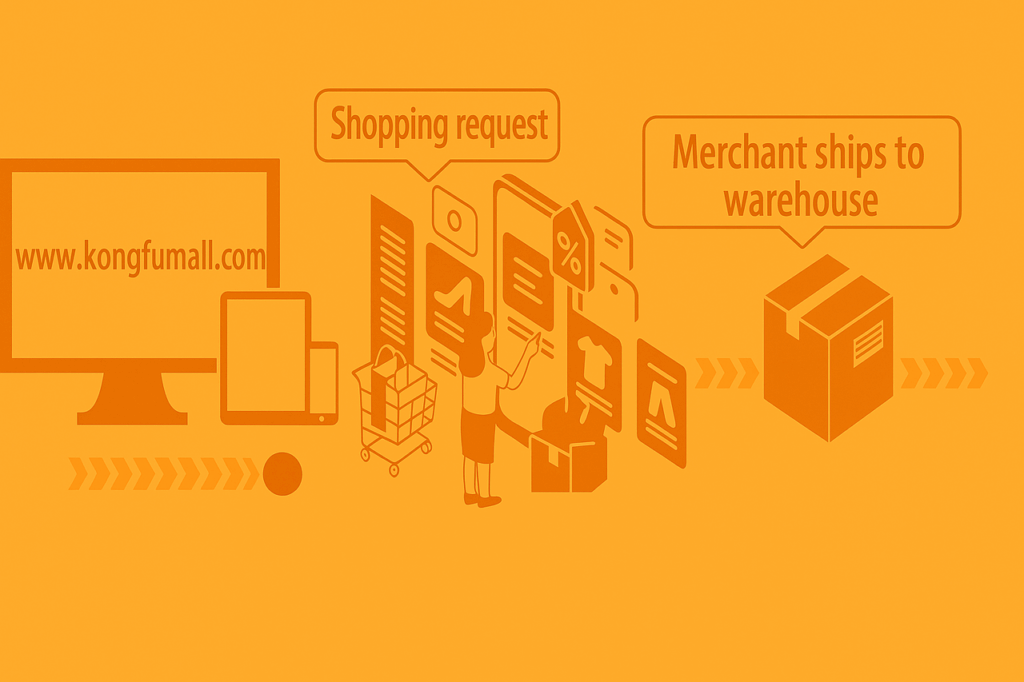
6.1 What "proof" and QC steps matter?
If you can't verify what happened in the warehouse, you'll pay for it later in support tickets.
What I ask for:
- Photo proof of received items (especially for high-value or high-dispute SKUs)
- Photo proof after repacking (outer box + inner protection)
- Notes for exceptions (damaged carton, missing accessory, wrong color)
- An explicit confirmation that old labels/barcodes were removed or covered
A serious label removal and repacking service treats documentation as part of quality control.
6.2 What should a compliant partner refuse to do?
A good partner protects you by refusing risky or non-compliant requests.
They should refuse:
- Removing required safety markings or compliance labels where applicable
- Misstating contents on shipping documents
- Packing restricted goods into lanes that prohibit them
- Altering branded items in ways that create platform risk
A trustworthy label removal and repacking service stays practical and compliant.
7. How KongfuMall supports cross-border sellers
7.1 Why a single platform matters when sourcing from 1688, Taobao, and more
When you source from multiple marketplaces, coordination becomes the real problem. Parcels arrive at different times, in various packaging standards, with varying labeling practices.
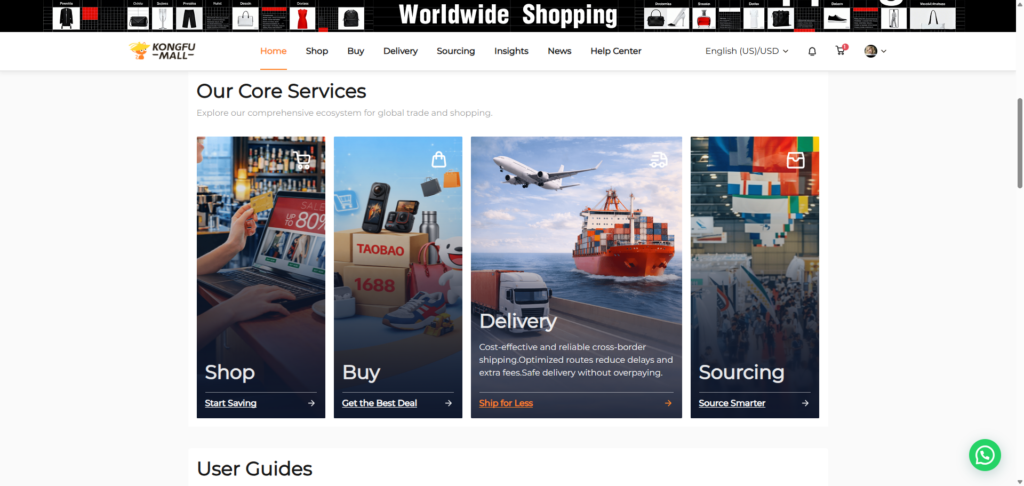
KongfuMall is designed to help global buyers and cross-border sellers source products from China and manage the shipping workflow in one place. For sellers, that typically means:
- One receiving point for mixed supplier parcels
- A cleaner process to consolidate and ship internationally
- Optional services that reduce disputes and improve order consistency
- A straightforward online flow that supports cross-border operations
7.2 Which add-on services pair best with label removal and repacking?
If you want fewer surprises after delivery, pair repacking with practical warehouse checks.
Useful combinations:
- Photo inspection for key SKUs
- Consolidation for multi-item orders
- Repacking rules by category (fragile, fashion, liquids)
- Clear tracking visibility for buyer updates
- Responsive support for exception handling
When these steps work together, the label removal and repacking service becomes part of a stable fulfillment system-not a one-off fix.
8. Quick checklist: when to request label removal and repacking
Request it when you ship:
- Multi-supplier orders that need consolidation
- Items where presentation affects reviews (gifts, fashion, collectibles)
- Products prone to carton damage (boxed goods, complex cases, accessories)
- Parcels covered in domestic labels, QR codes, or multiple barcodes
- Orders for repeat buyers who expect consistency
- Marketplace shipments where scan accuracy matters
Conclusion
A label removal and repacking service helps cross-border sellers ship cleaner parcels, reduce scan-related delays, protect products in long transit, and deliver a better unboxing experience. It's a practical way to lower disputes and increase buyer trust while keeping your sourcing workflow organized. If you want to learn more, click KongfuMall.com.